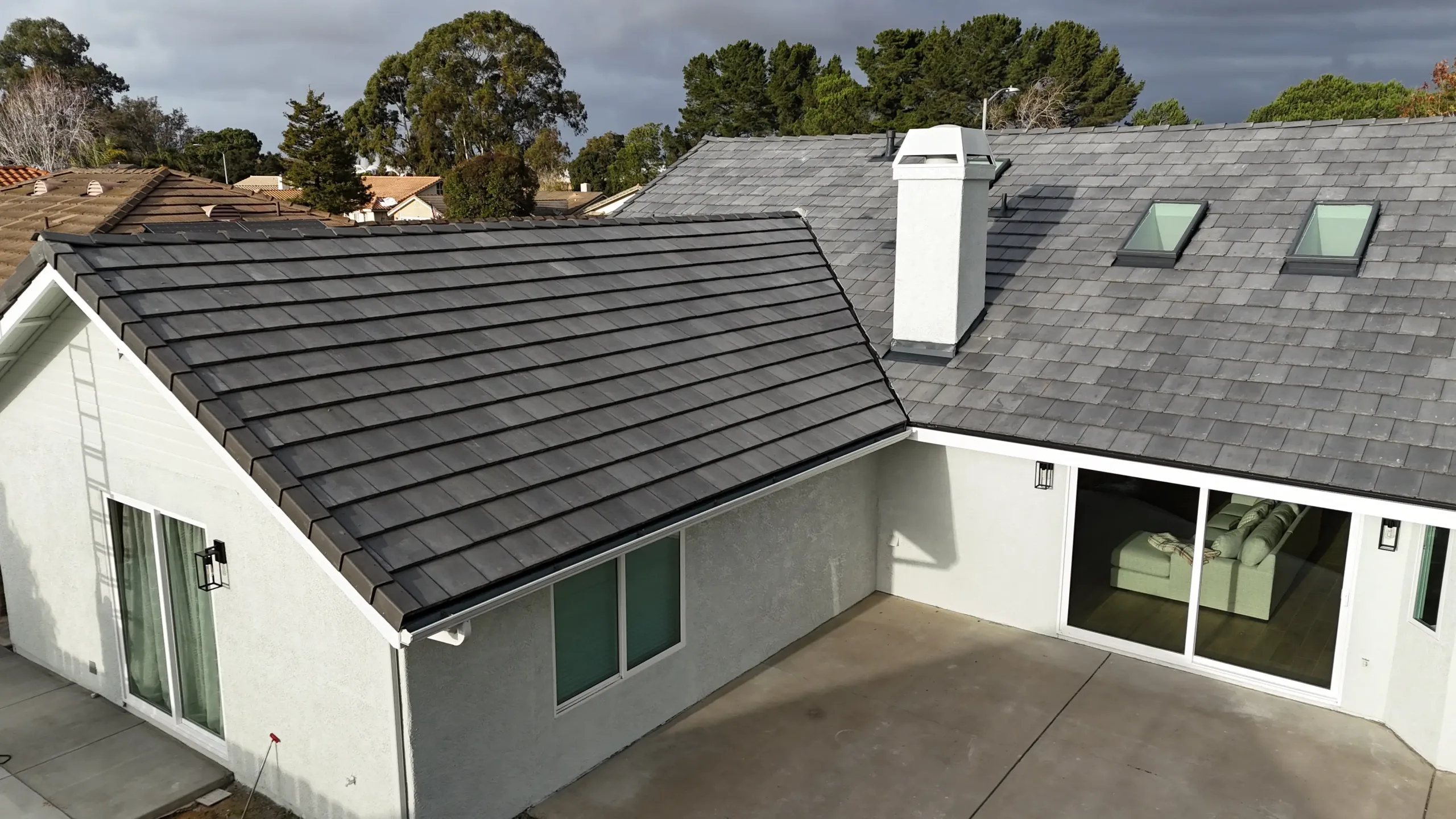
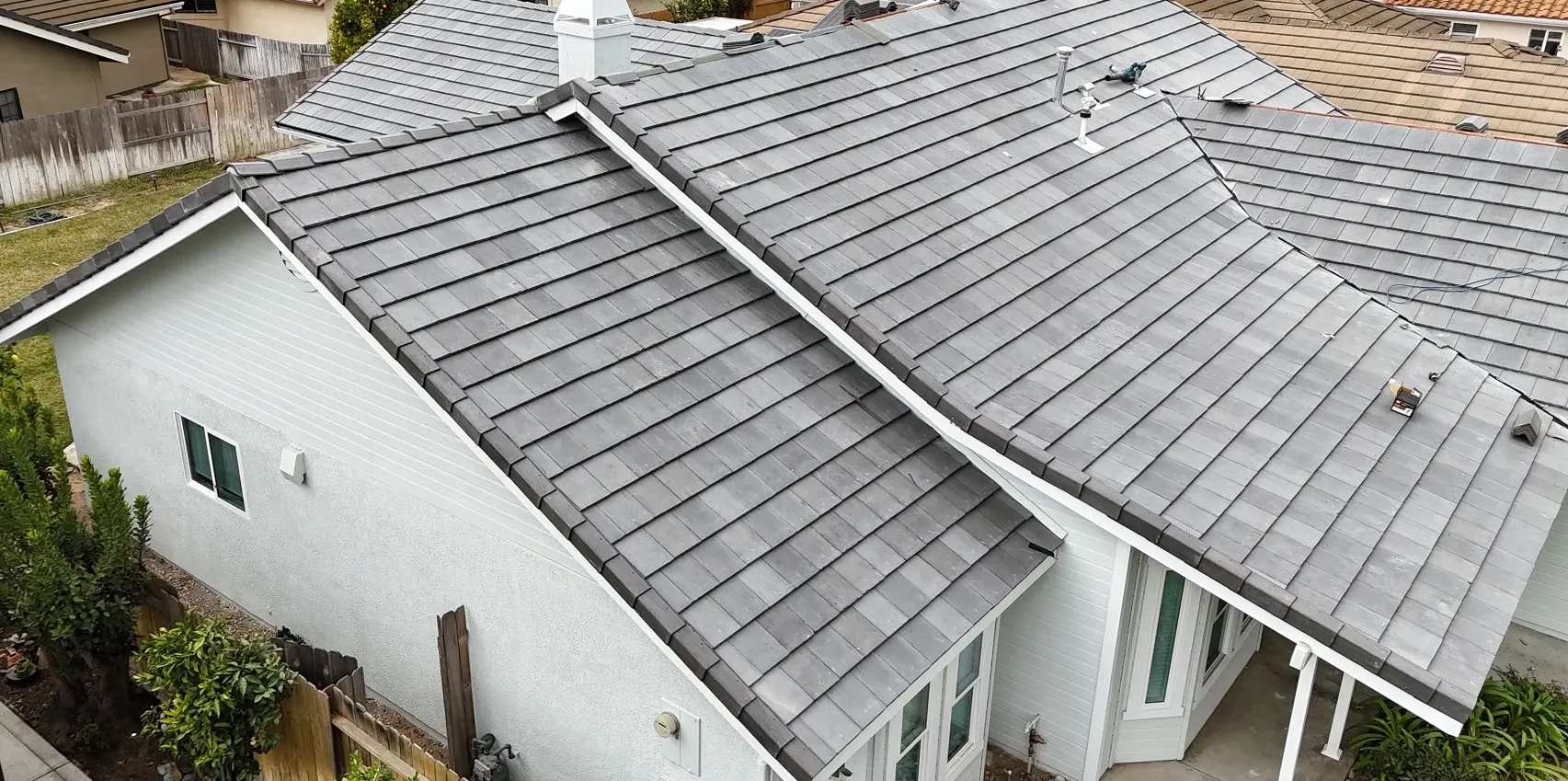
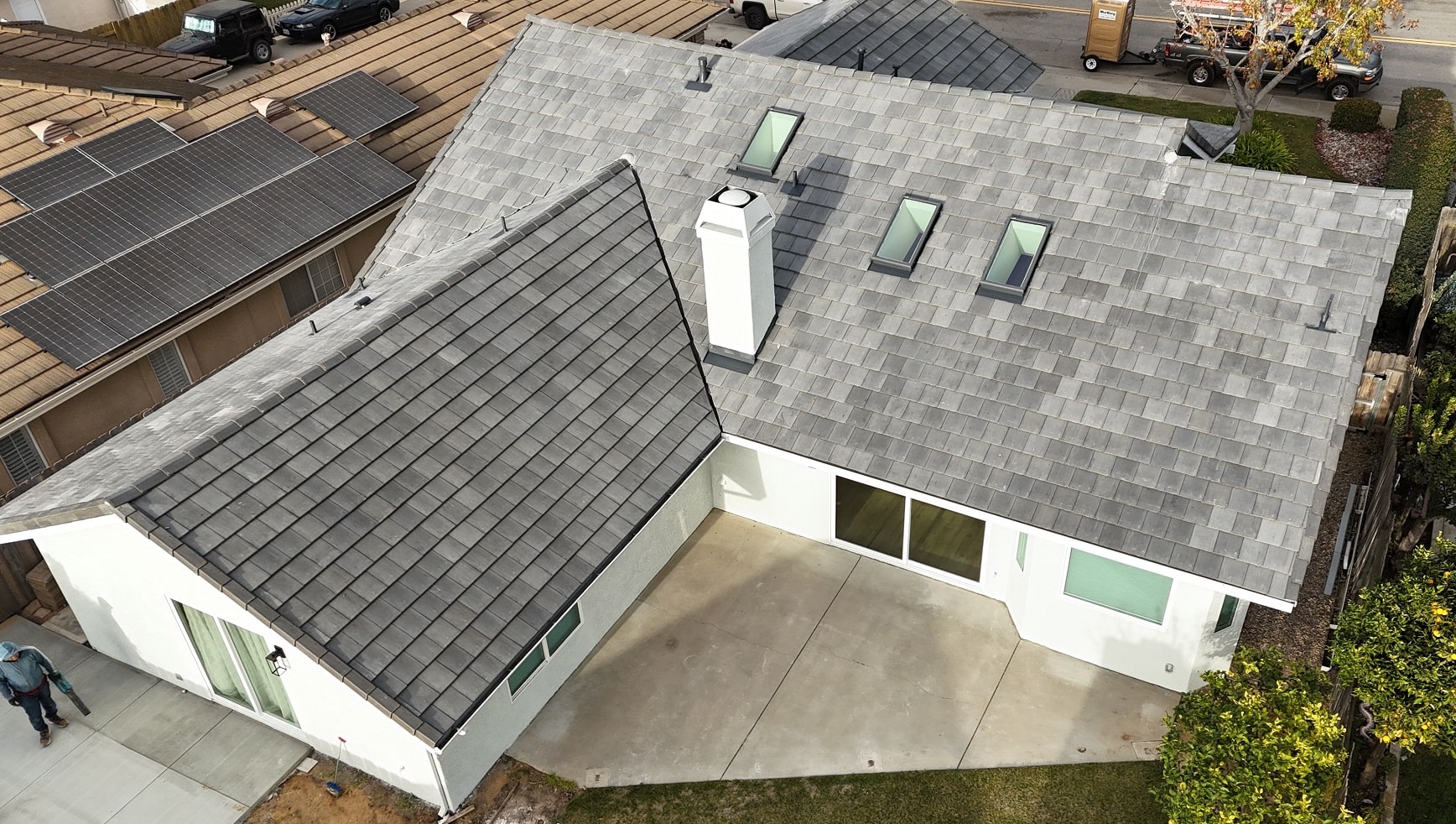
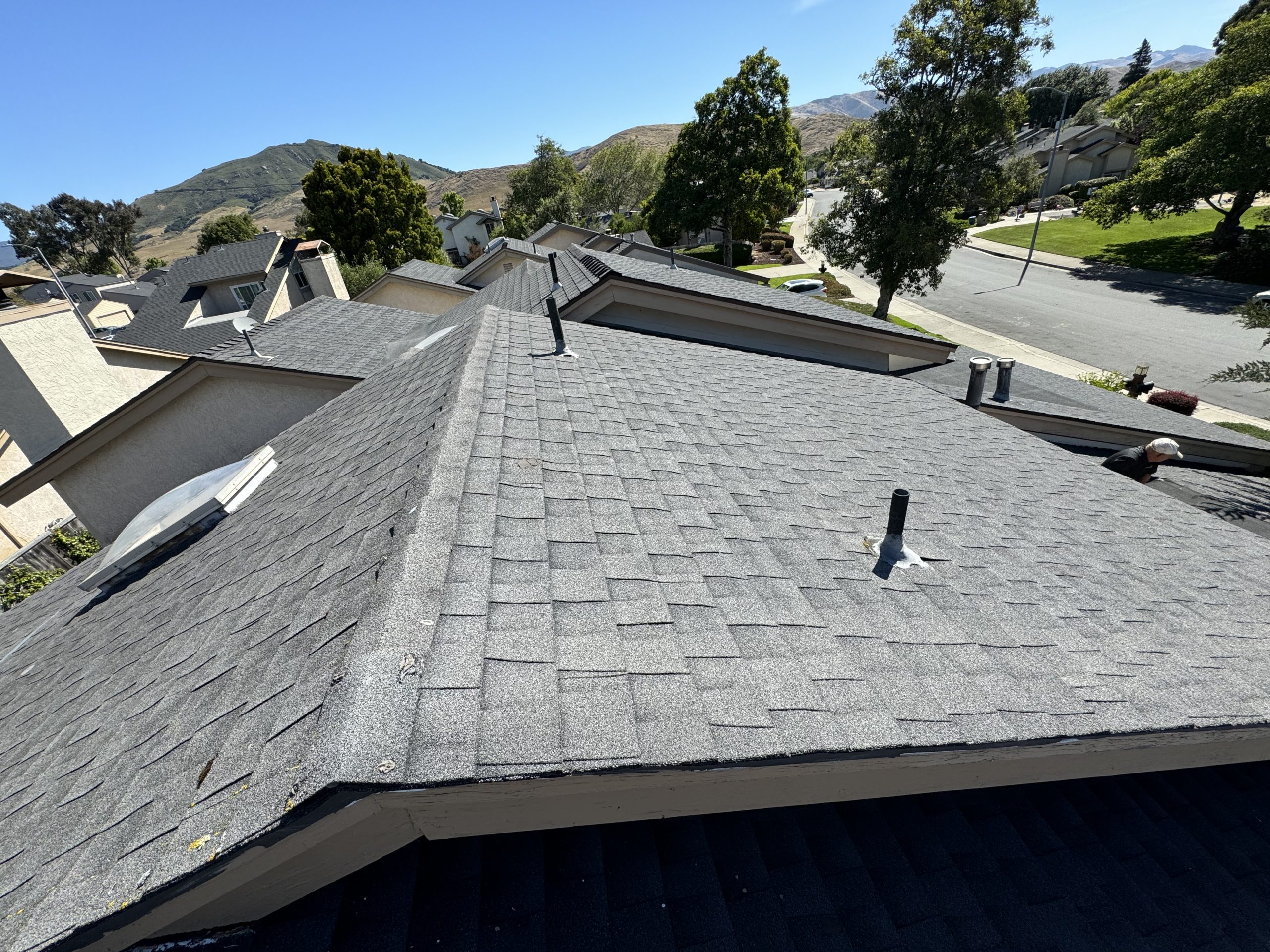
If you are a homeowner in Nipomo California or the surrounding Central Coast, there is a good chance you have been thinking about the condition of your roof. Maybe you have noticed missing shingles or leaks after the latest rainstorm or perhaps you are looking to increase your home’s energy efficiency and curb appeal. Whatever your situation, one thing is certain: finding the right roofing contractor is a crucial step in making certain of the longevity of your home and protecting your investment.
Roofing is not just about slapping on some shingles and calling it a day. It is a significant component of your home’s structure, a shield against harsh weather, wind, sun, and rain. Whether you are in the thriving agricultural community of Nipomo California or the bustling city of Santa Maria next door, your choice of contractor can save you years of headaches and thousands of dollars. But before you sign on any dotted lines, it is essential to arm yourself with knowledge about roofing contracts, what they are, why they matter, and the hidden pitfalls to watch out for.
Roofing contracts serve as legally binding agreements between you and your chosen professional, outlining expectations, scope of work, payment terms, warranties, and much more. These contracts not only protect your interests but also see to it that your hired roofer is held to clear standards of quality and accountability. Yet too many homeowners in Nipomo and Santa Maria rush through this phase, not realizing how much is at stake until it is too late.
In this article, we will walk you through everything you need to know about roofing contracts, including insider tips, must-have clauses, important questions to ask, and red flags to avoid. We will also look at how reliable roofing contractors operate in California’s unique climate and regulatory environment. If you are ready to take control of your next roofing project and want to approach your roofing contractor in Nipomo or Santa Maria with confidence, you are in the right place. Let’s break down the seven essential things every homeowner should know before signing a roofing contract.
1. Understanding the Role of a Roofing Contractor
A professional roofing contractor specializes in repairing, replacing, and maintaining roofs. In areas like Nipomo and Santa Maria, the weather as characterized by dry summers and occasional winter storms, puts roofs to the test. A reliable local contractor understands these unique challenges and tailors solutions accordingly. They offer expertise in selecting suitable materials, making sure of proper installation, and adhering to building codes specific to California.
Beyond technical know-how, a trusted roofing contractor manages timelines, coordinates labor, sources quality materials, and maintains worksite safety. Their reputation hinges on transparency, reliability, and consistent communication. In competitive markets like Santa Maria, where word-of-mouth and Google reviews make or break a business, professionalism is not just a bonus, it is expected.
Selecting a contractor is not just about comparing costs. You need someone who is licensed, bonded, and insured in California. This not only protects you from liability if an accident happens on-site but also signals that the contractor meets minimum competency standards. Additionally, local experience matters: contractors with roots in Nipomo or Santa Maria are more likely to understand weather patterns, common architectural styles, and regional permit requirements.
2. What Should Be Included in a Roofing Contract?
A clear, comprehensive roofing contract is the cornerstone of any successful project. Do not settle for a handshake or a vague, jargon-heavy proposal. The contract should spell out, in plain language, exactly what services are being provided and on what terms. Here are the non-negotiables that every contract should include:
- Detailed Scope of Work: This outlines the specific tasks the contractor will perform, including removal of old roofing, repairs to the decking, installation of shingles, ventilation upgrades, gutter replacement, and so on.
- Materials and Brands: The contract should list every material to be used, including the brand, type, and color of shingles, underlayment, flashing, vents, and fasteners.
- Timeline: Clear start and completion dates help manage expectations and provide accountability. While delays can occur, the contract should outline procedures for handling change orders or unforeseen circumstances.
- Payment Schedule: Never pay the full price upfront. Standard practice is a partial deposit, with the balance paid in milestones or upon completion, always tied to visible progress.
- Licensing and Insurance: The contract must confirm that your contractor is licensed and carries liability insurance and workers’ compensation. Ask for policy numbers and verify their status.
- Warranty Information: Manufacturer warranties on roofing materials and contractor warranties on workmanship should be clearly described, detailing coverage and duration.
- Termination Clause: Specifies the conditions under which either party can terminate the agreement and the rights regarding any fees or payments made to date.
3. Common Pitfalls: What to Watch Out For
Roofing contracts can be minefields if you do not know what to look for. Unfortunately, desperate or inexperienced contractors sometimes resort to shady practices, especially after storms or in busy building seasons. Here are some red flags:
- Vague Language: Be wary of contracts that use ambiguous terms like as needed or to be determined. Everything should be specific.
- No Written Warranty: A reliable roofing contractor will provide clear documentation of warranty coverage.
- Upfront Payments: If a contractor demands a large deposit or full advance payment, it could signal financial instability or potential fraud.
- Unlicensed Contractors: In California, contractors must be licensed for projects over $500. Unlicensed workers may lack proper training, insurance, or accountability.
- Pressure Tactics: Do not fall for today-only deals or pushy sales behavior. Take time to research and compare before signing anything.
- Missing Permits: Ask who will secure necessary permits; this is usually the contractor’s responsibility. Lack of permits may result in fines or forced removal of unauthorized work.
- Limited Contact Information: Verify the company’s physical address, phone number, and online presence. Avoid businesses that only provide a P.O. box or a cell number.
4. The Importance of Local Knowledge
Nipomo and Santa Maria are not just neighboring communities; they are unique microclimates with specific challenges for roofing. Contractors with experience in these areas understand the region’s weather fluctuations, local building codes, and common architectural features.
In Nipomo, where afternoon winds and sun exposure are intense, roofers may recommend specific shingle types or improved attic ventilation to prevent heat damage. In Santa Maria, the coastal air and occasional fog necessitate materials that resist mold, algae, and corrosion. Local contractors work with these variables daily, offering the solutions they propose fit your home’s specific needs.
Working with a nearby professional also means faster response times, especially for repairs after storms or unexpected leaks. Plus, they are more likely to have strong relationships with area suppliers, translating to better prices, access to higher-quality materials, and reliable schedules.
5. Comparing Bids: Not All Roofing Quotes Are Equal
Homeowners are often tempted to go with the lowest bid, but a bargain is not always what it seems. When you gather multiple quotes from roofing contractors in Nipomo or Santa Maria, look beyond the price tag. Analyze what is included:
- Are all materials the same quality or brand?
- Does one contractor offer a more comprehensive workmanship warranty?
- Are permits, disposal fees, and cleanup clearly mentioned?
Cheap bids sometimes leave out crucial components or use subpar materials. They might also exclude certain prep work, skip over necessary repairs to decking or flashing, or compromise on ventilation solutions. These shortcuts can result in costly problems just months or years down the road.
A transparent, itemized bid shows that your contractor respects your investment. Take time to ask clarifying questions so that you are comparing apples to apples when reviewing competing roofing contracts.
6. The Value of Ongoing Maintenance and Communication
A quality roofing contractor does not disappear after installing your new roof. Ongoing maintenance, routine inspections, and clear communication are parts of a healthy contractor-client relationship.
In Santa Maria and Nipomo, where weather shifts can be dramatic, even within the same season schedule regular checkups to catch issues early. Your contractor should provide detailed post-installation support: cleaning debris, checking for loose shingles, and offering maintenance advice specific to your roof type.
Do not hesitate to reach out if you notice problems down the road. Roofs are long-term investments, and reliable contractors stand by their work, offering guidance on repairs, warranties, and upkeep.
7. Why Licensing, Insurance, and Permits Matter
California has some of the most stringent building codes in the country and for good reason as the state’s climate and weather extremes demand resilient construction standards. Working with a licensed and insured roofer in Nipomo or Santa Maria is not just smart, it is a legal requirement for most projects.
Licensed contractors have passed background checks, proven their technical knowledge, and carry state-mandated insurance. This means you are protected if a worker is injured on your property or if accidental damage occurs during the project.
Permits, meanwhile, provide that your new roof meets safety, design, and environmental standards. Skipping permits might save a few days upfront, but it can create legal, financial, and insurance headaches down the road. Always confirm with your chosen roofing contractor that all permits will be obtained before work begins.
Conclusion
Choosing the right roofing contractor and understanding the terms of your roofing contract can seem daunting at first, but it is one of the smartest moves you can make as a homeowner in Nipomo California or Santa Maria. A well-drafted roofing contract does not just protect your home, it safeguards your financial investment, peace of mind, and the longevity of your property.
The key is to approach the process with a combination of local insight, thorough research, and a clear understanding of your needs. From verifying licenses and warranties to reading the fine print and communicating openly with your contractor, every step you take now helps prevent headaches in the future.
Remember, your roof is your home’s first line of defense against California’s ever-changing climate. Prioritize quality, reliability, and transparency in your choice of contractor and you will enjoy a safe, beautiful roof for years to come. Ready to start your roofing project? Reach out to a trusted local roofing contractor in Nipomo or Santa Maria and transform your home with confidence!
Key Takeaways
- Always Verify Licensing and Insurance: Protect yourself by being sure your roofing contractor holds up-to-date California licenses and comprehensive insurance. This shields you from liability and is a legal requirement for most projects.
- Demand a Detailed Written Contract: Do not settle for vague promises or handshake agreements. Your contract should itemize every step of the project, including materials, costs, timeline, and warranty details.
- Look Out for Red Flags: Be skeptical of contractors asking for full payment upfront, refusing to provide written warranties, or using high-pressure sales tactics. Trustworthy professionals will never rush or mislead you.
- Understand Local Needs: Nipomo and Santa Maria roofs face unique weather challenges. Choose a contractor who understands local climates and uses appropriate materials for long-lasting performance.
- Compare Bids Fairly: Cheapest is not always best. Scrutinize what each bid includes such as quality materials, comprehensive warranties, and essential work like ventilation or decking repairs.
- Insist on Permits and Inspections: Make sure your roofer arranges all necessary permits and inspections. This means work is up to code, crucial for safety and future resale value.
- Prioritize Communication: Pick a contractor who listens, responds promptly, and explains every aspect of the job. Ongoing dialogue sets the stage for a successful, stress-free experience.
- Know Your Warranty Coverage: Review both manufacturer and workmanship warranties in detail, so you understand what is covered and for how long. Keep all warranty documents for future reference.
- Plan for Maintenance: Even the best roof requires regular care. Schedule periodic inspections and ask your contractor for maintenance tips tailored to your roof type and local weather.
- Work with Reliable Locals: Established roofing contractors in Nipomo and Santa Maria are invested in their communities, making them more reliable choices for high-quality, accountable service.
FAQs
1. What should I look for when hiring a roofing contractor in Nipomo California?
Look for a licensed and insured professional with local experience, positive reviews, and a strong track record. Confirm they are familiar with Nipomo’s unique weather and building codes.
2. Why is a written roofing contract important?
A written contract outlines scope, materials, timeline, payment terms, and warranties. It confirms mutual understanding and protects both you and the roofing contractor from disputes.
3. How much should I pay upfront for a roofing project?
Deposits typically range from 10% to 20% of the total cost, with additional payments tied to specific milestones. Never pay the full amount before work begins.
4. What warranties should a roofing contractor provide?
Expect a manufacturer’s warranty on materials and a workmanship warranty for installation. Both should be included in writing in your contract.
5. How do I compare roofing bids in Nipomo and Santa Maria, California?
Compare the scope of work, materials, warranty coverage, project timeline, and included services. Do not just focus on price, look for value and transparency.
6. Why does local experience matter in roofing?
Local contractors understand regional climates, common roofing challenges, and local permit requirements, so that your roof withstands the specific weather conditions in your area.
7. What permits are needed for roofing in California?
Most roofing projects require permits, which the contractor should obtain. Permits mean that the work complies with safety and building regulations.
8. Can I negotiate a roofing contract?
Absolutely. Ask questions, clarify terms, and request adjustments to best suit your needs before signing any contract.
9. What are common signs of a roofing scam?
Warning signs include unlicensed contractors, pressure sales tactics, requests for large upfront payments, vague contracts, and a lack of clear contact info.
10. How should I maintain my new roof after installation?
Schedule routine inspections especially after storms, keep gutters clear, trim overhanging branches, and follow your contractor’s maintenance advice for optimal roof serviceable life.