
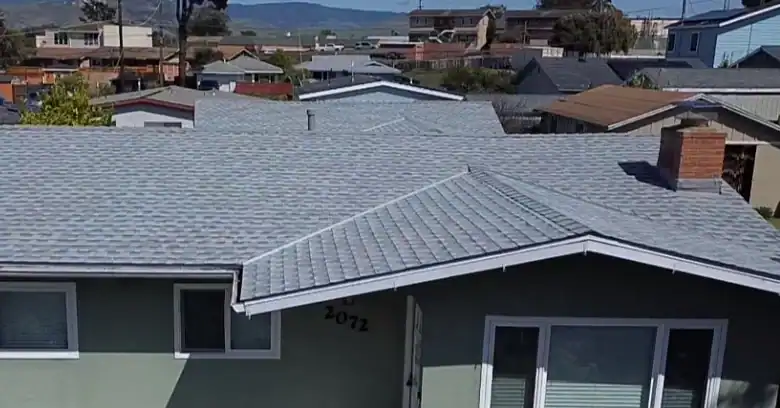
Weighing Roofing for a Home in Orcutt California?
Creative Roofing handles the planning, the tear-off and the cleanup of a roof job, for homes in Orcutt California and the towns around it.
Phone 805-723-2381 to start a conversation about the roof over your head.
Day One of a Roof Project
Nothing gets decided until someone has walked the roof, since guessing from the ground leads to surprises later. The roofer checks the surface, the flashing, the vents and the gutter line, then the attic if it can be reached, and that is the evidence a sensible plan is built on.
Sunny slopes and shaded slopes tell different stories, and both matter, and the sunniest side is usually the oldest-looking side.
Choosing How Far to Go
Not every worn roof needs replacing, and not every leak is a small one, and the recommendation should come with the reasons attached. Ask to see the problem areas, either in photographs or from the ladder, because you are the one living under the result.
When the decking underneath is damaged, the scope of the job grows, and agreeing on the approach in advance beats debating it with the roof open.
Choosing Materials for Your Home
Most houses here wear one of three coverings, and the choice shapes everything else, but the framing and the slope decide more than preference does. The shade of a roof affects how hot it runs in July, and that is worth keeping in mind.
Scheduling Around the Weather
Roof work is easiest to schedule in the long dry stretch between rains, so exposed areas get covered at the end of each day. The temperature on the roof can run well above the temperature in the shade, and finishing early keeps people and materials in better shape.
Removing the Old Roof
Old roofing comes off in layers, down to the bare decking, and protecting the driveway and plants is worth asking about. Sound wood is the base everything else depends on, because new material is only as good as what it is fastened to.
Waterproofing Beneath the Surface
The surface you see is only the outer layer of a roof, and chimneys get particular care. With the barrier in place the roof can shed rain even before the covering is finished, and the visible covering goes on from there.
Flashing and the Fiddly Parts
Flashing is the thin metal that keeps water out where the roof meets something else, since worn metal under new material becomes the weak link. Sun dries and cracks the flexible parts over time, and a new roof should not depend on a seal that is already tired.
Ventilation in a Warm Climate
Heat collects in the space beneath the roof deck unless it has somewhere to go, and the details are worth a closer look. Adding vents at random may do little more than cut holes in the roof, so ask how the attic will breathe once the work is done.
Wrapping Up
A finished roof still leaves a yard full of scraps, nails and packaging, and covers come off the landscaping and the beds are inspected. Keeping a short record of the materials used helps with later maintenance, and it pays to think it through.
The Paperwork Side of a Roof
Depending on the town, a re-roof may need a permit before any material is ordered, and a little care goes a long way. Certain hillside and edge-of-town areas follow stricter material rules than the valley floor, and the details are worth a closer look. A proposal that names its materials and steps is easier to compare, so compare any two side by side.
What Happens to the Yard
A roofing job puts a lot of weight, noise and debris around a house, and a careful crew sets them before the work begins. The area under the eaves is the one to avoid, and keep a path clear for deliveries. Hammering on the deck above can rattle a ceiling and drop dust into the rooms below, and a little care goes a long way.
Noise, Neighbors and Daily Life
Most residential projects are finished within days, not weeks, so ask for the expected start and finish up front. Roof work is loud, and the street will hear it, and early starts mean early noise. The loudest stretch is the tear-off, and it passes quickly, and a plan for the loud days makes them easier.
Getting Clear Before the Work Begins
Ask what will be done with the old material and how the deck will be handled, and it pays to think it through. Knowing exactly what is going on the house removes a common source of disputes, and a little care goes a long way. Ask what happens if something unexpected turns up under the old roof, and the details are worth a closer look.
Small Habits That Extend Roof Life
A roof that is never looked at tends to fail when it is least convenient, and little problems stay little. Debris on the roof holds moisture and wears the surface, and it protects the investment you just made. Missing pieces, lifted edges or a new stain are all reasons to have someone look, and the earlier the better.
Is There a Best Time for a New Roof
Waiting for the first storm to find the weak spot means hiring in a hurry, so a few weeks of lead time is common. Spring can bring the first showers, so flexibility helps, so do not feel the choice is locked in.
Insulation, Ducts and Cables Under the Roof
When the old roof comes off, the crew sees the underside of the deck, and stains, rust on nail tips and darkened wood tell the story of past leaks, and attic problems are cheaper to deal with during a re-roof.
Start the Conversation
Homeowners comparing Roofing in Orcutt California can simply pick up the phone, so use 805-723-2381 to talk through the roof and the next step. Whether the job is a small section or a whole house, the questions are much the same, and that is worth keeping in mind. The decision often feels bigger before the call than it turns out to be, and that is a good place to begin.
Verified

Verified
Verified
Verified
Verified






















