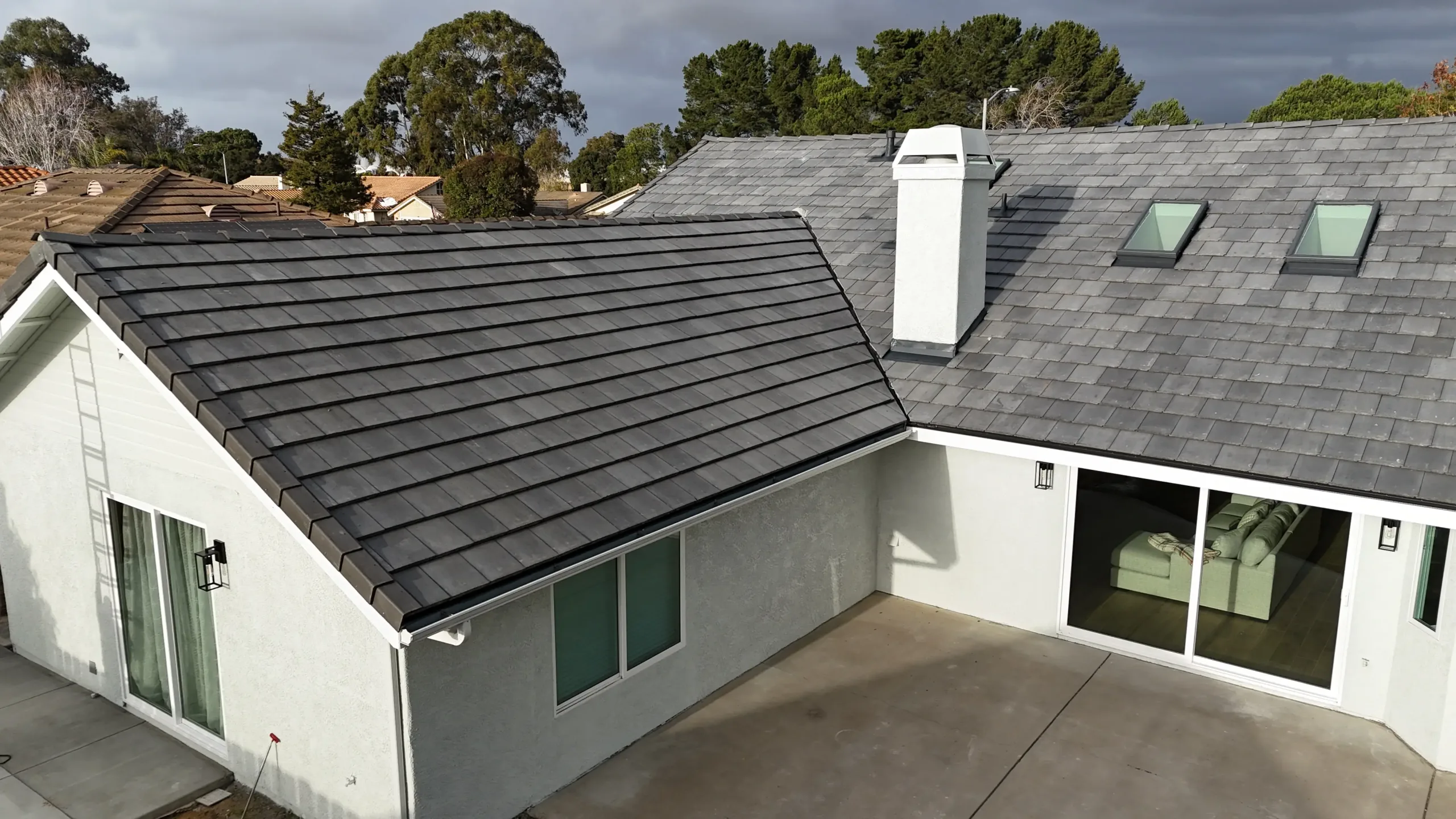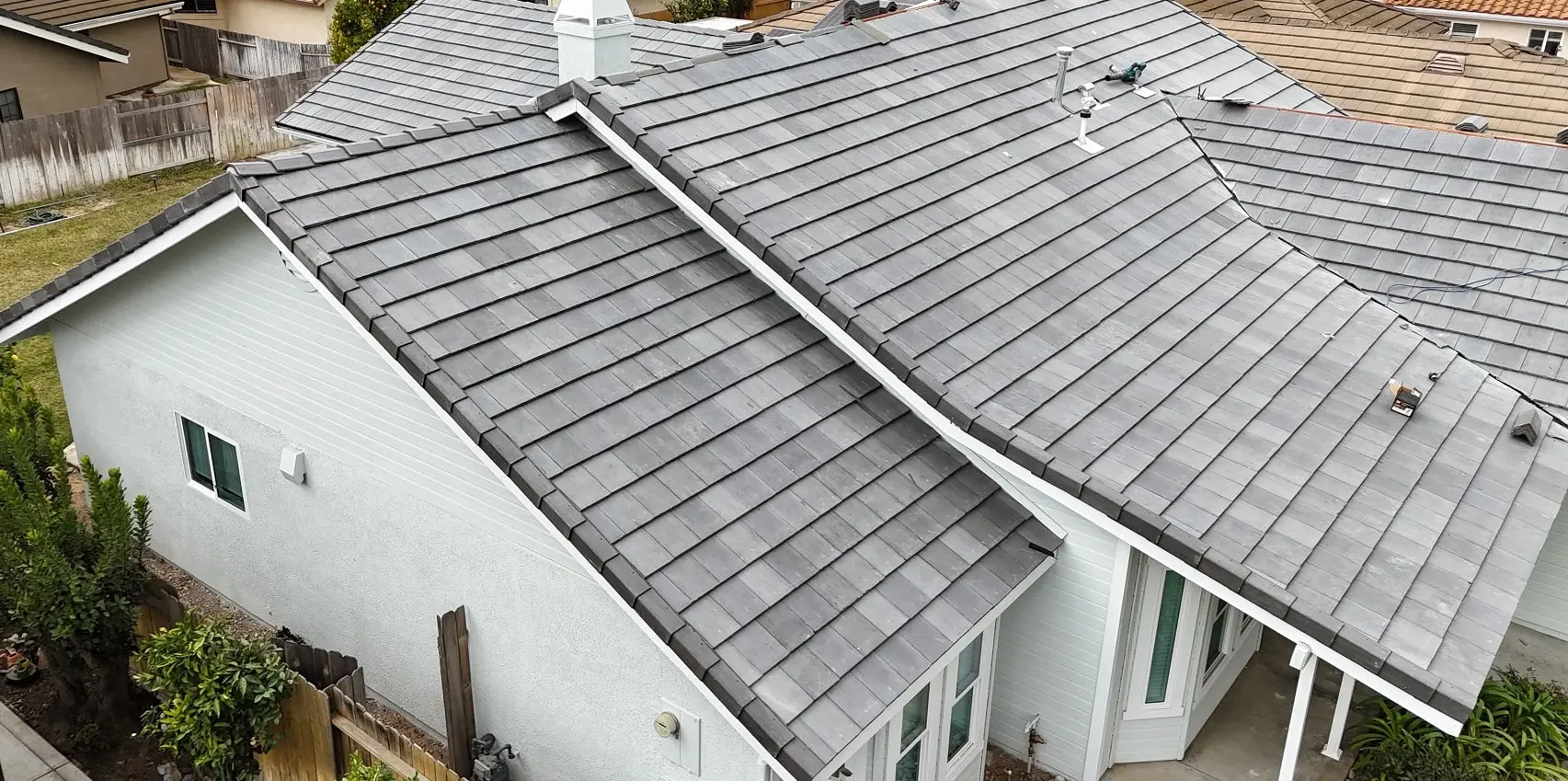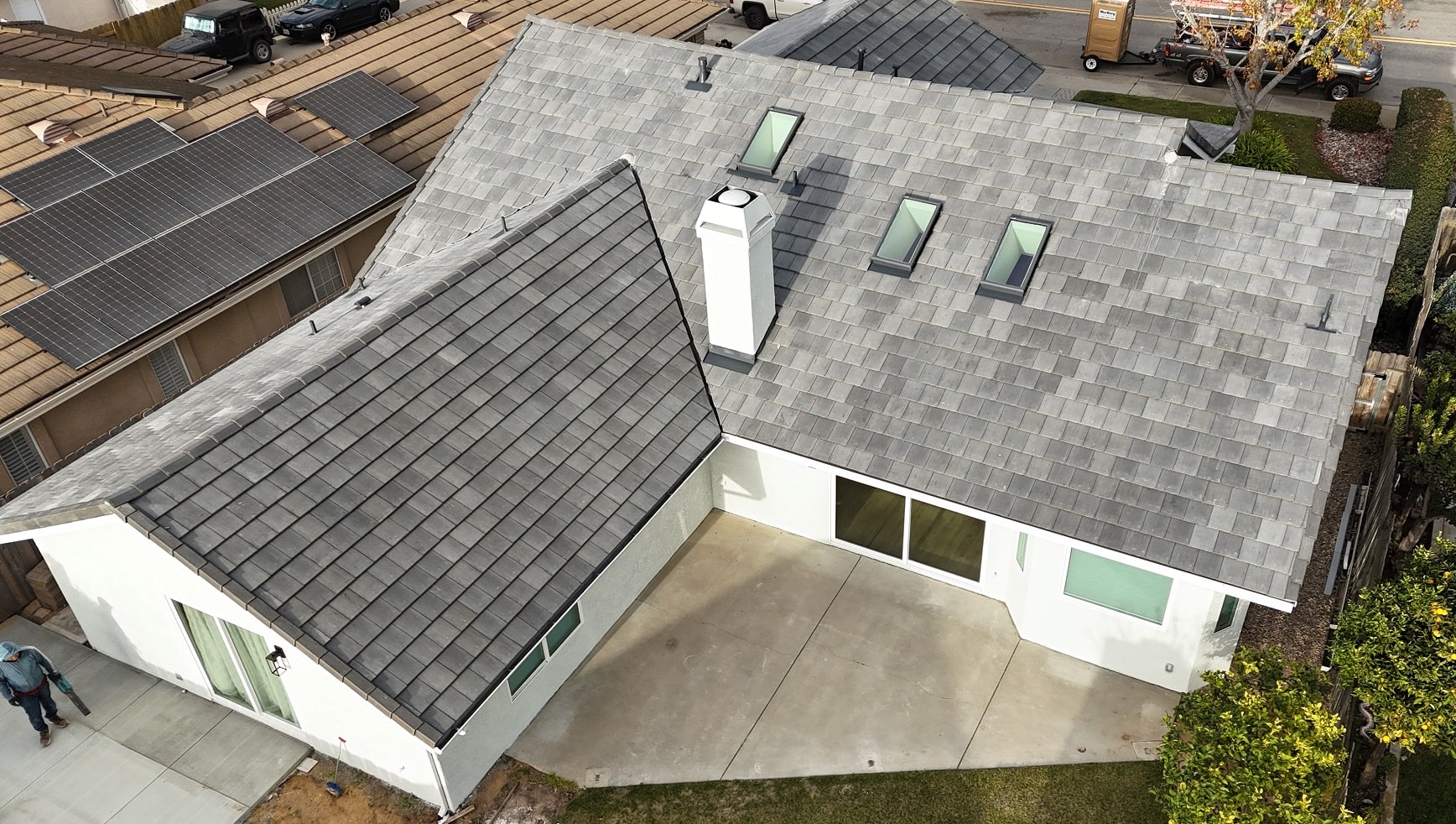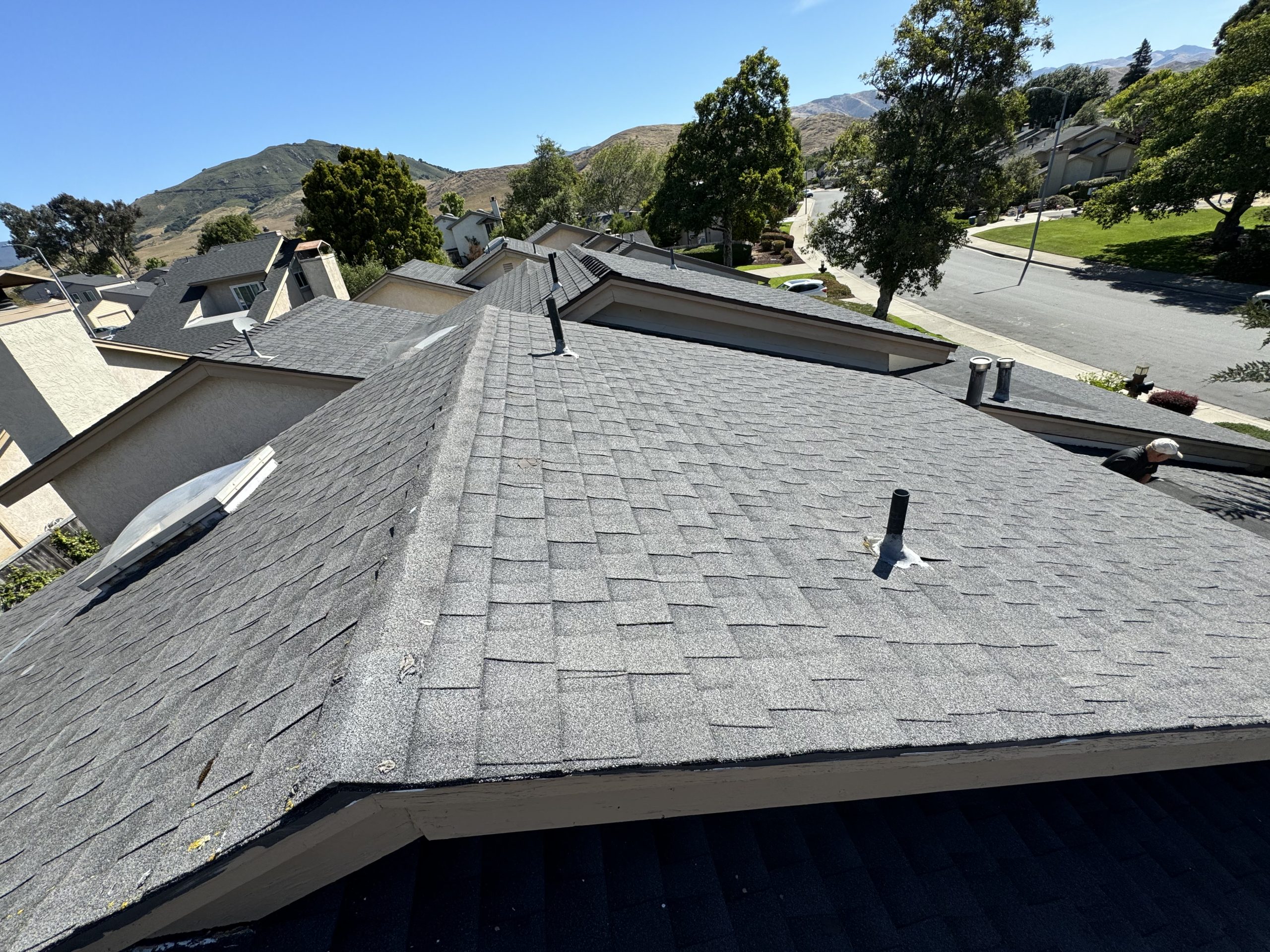
Thinking About Roofing for a Home in Central Coast California?
Creative Roofing handles the planning, the tear-off and the cleanup of a roof job, serving Central Coast California and the places close by.
Call 805-723-2381 to start a conversation about the roof over your head.
Before Anything Is Torn Off
Nothing gets decided until someone has walked the roof, because the rest of the plan rests on the findings from that look. The roofer checks the surface, the flashing, the vents and the gutter line, then the attic if it can be reached, so the visit usually takes longer than people expect.
Sun and heat age a roof in ways that rain alone never would, and the sunniest side is usually the oldest-looking side.
Setting the Scope of Work
The right answer depends on how much sound material is left on the house, and the reasons should be easy to follow. Findings that cannot be pointed to are findings worth questioning, since the plan should make sense to the person paying for it.
Rotted or soft sheathing changes the plan and often the schedule, and agreeing on the approach in advance beats debating it with the roof open.
Choosing Materials for Your Home
Homeowners usually end up comparing shingles, tile and metal panels, but the framing and the slope decide more than preference does. A roof that faces strong sun all afternoon behaves differently depending on its shade, so hold a sample against the house in daylight.
Planning for Rain and Heat
For most of the year the weather here lets a roof go on with few interruptions, and crews watch the forecast closely. The temperature on the roof can run well above the temperature in the shade, and finishing early keeps people and materials in better shape.
Removing the Old Roof
Old roofing comes off in layers, down to the bare decking, and the details are worth a closer look. Soft or split sheathing is cut out and new panels are fastened down, since good materials laid over a weak deck do not last.
What Goes Down First
The first layer laid over the deck is a barrier against moisture, and it is easy to overlook. Reaching this stage quickly is a sensible way to protect the interior, and that is worth keeping in mind.
Where Roofs Meet Walls and Pipes
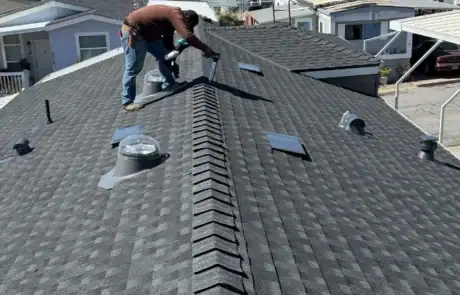
Water finds the joints first, so flashing matters, since worn metal under new material becomes the weak link. The seal around a vent pipe rarely lasts as long as the surface around it, and a new roof should not depend on a seal that is already tired.
Keeping the Attic Cooler
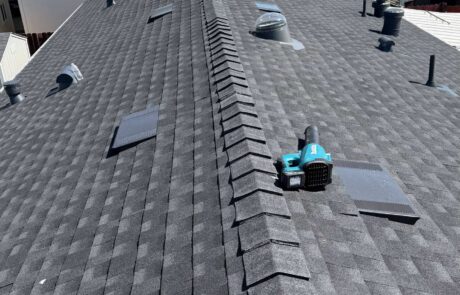
Heat collects in the space beneath the roof deck unless it has somewhere to go, so vents near the ridge give the hot air a way out. Mixing vent types without a plan can short-circuit the airflow, and the answer should be part of the proposal.
Finishing the Job
A finished roof still leaves a yard full of scraps, nails and packaging, so gutters are checked and cleared of loose granules. Questions are easier to settle while the crew is still on site, and it makes future repairs and sales smoother.
Approvals Before the Work Starts
Depending on the town, a re-roof may need a permit before any material is ordered, and a little care goes a long way. Where fire risk is high, the roof covering and the vents face tighter standards, and the proposal should reflect them. A clear proposal lists what will be removed, what will be installed and what happens if the deck needs work, because what is written down is what everyone remembers.
Protecting the House and Yard
A busy work site needs boundaries, and a careful crew sets them before the work begins. Pets, children and cars are best kept away from the work area, and it pays to think it through. The attic gets dusty during tear-off, and anything stored there will notice, and it is best done the night before.
What the Household Should Expect
Most residential projects are finished within days, not weeks, and the details are worth a closer look. A quick word with the people next door can head off complaints, and it is easy to overlook. Working from home during a roof job is possible, though not always pleasant, so consider a day out of the house if you can.
Questions That Reveal the Difference
A sensible first question is what exactly is included in the scope, and write the answers down. Knowing exactly what is going on the house removes a common source of disputes, and take your time reading it. Surprises are normal, and a process for them is a sign of a well-run job, and the details are worth a closer look.
Looking After a New Roof
A roof needs less attention than most parts of a house, but it needs some, and little problems stay little. Sweeping leaves off the roof and out of valleys prevents trouble, so it is worth doing before summer ends. Early attention to a leak is almost always cheaper than late attention, and it is far easier to repair than to rebuild.
Timing a Roof Project Through the Year
Booking early in the dry season leaves time to compare more than one proposal, and a calm decision is nearly always a better one. Late summer is hot but dependable, and crews are usually busy, and a good roofer will explain the trade-offs.
Insulation, Ducts and Cables Under the Roof
Insulation in the attic that is compressed, wet or missing should be noted, since a new roof is a good time to fix the whole assembly, and the findings can change the scope.
Getting Started in Central Coast California
Homeowners comparing Roofing in Central Coast California can simply pick up the phone, and the number is 805-723-2381. Large or small, a roofing project goes best when the plan is clear before the work starts, and we are glad to talk through the options. A short conversation can turn a vague worry into a clear plan, and it pays to think it through.