
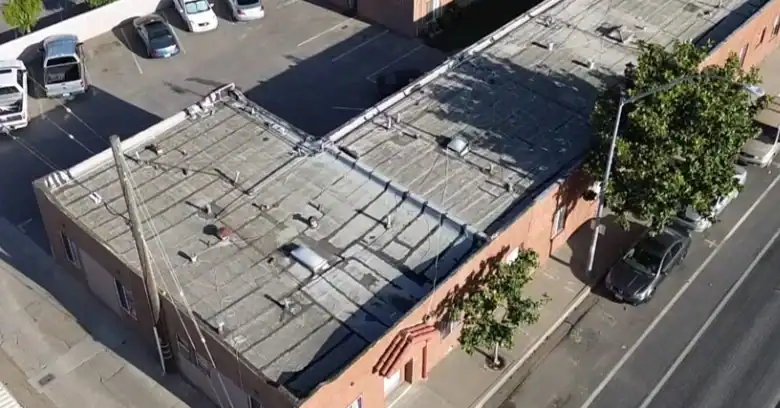
Sourcing Commercial Roof Installations Around Guadalupe California?
Creative Roofing works on the roofs of shops, offices, warehouses and apartment buildings, for properties in Guadalupe California and the surrounding area.
Call 805-723-2381 and describe what is happening up there.
What Sets a Commercial Roof Apart
Low slopes make a commercial roof a different problem from a house roof, so the finer points carry the weight. Flat roofs rely on continuous membranes with welded or glued seams, and the quality of those seams decides how long it lasts.
The cost of a failed roof is often higher inside the building than on top of it, and regular checks pay for themselves.
Common Low-Slope Roof Systems
Many newer commercial roofs use a single-ply membrane over insulation, and the differences matter when comparing proposals. Older buildings often have built-up roofing, with several layers laid over one another, and the layers add redundancy. Metal roofing is used on some commercial buildings, particularly those with a steeper pitch, and each option has conditions where it works best.
Where the Rain Goes
Standing water is the most common enemy of a low-slope roof, and it pays to think it through. Interior drains, edge scuppers and perimeter gutters each have their own failure points, and the first heavy rain turns it into a plug.
What Sits on the Roof
Mechanical equipment on the roof creates dozens of places where the membrane has to be cut and sealed, and the details are worth a closer look. A roof that has regular service visits needs protection along the paths, and everyone benefits from the protection.
Strong Sun on a Flat Surface
Direct sun heats a dark roof to a temperature far above the air, and that is worth keeping in mind. Reflective membranes and coatings can lower the temperature of the roof and the space beneath it, and local rules may favor reflective surfaces on some projects.
Inspections and Upkeep
Scheduled inspections catch small problems before they reach the ceiling, so owners often tie visits to the seasons. Photographs from each visit help track changes over time, and the details are worth a closer look.
Repair, Coat or Replace
Moisture surveys can show how much of a roof is truly wet inside, and saving a good roof is cheaper than replacing it. Once water has spread through the layers, replacement is the honest answer, and that is worth keeping in mind.
Working in an Occupied Building
Roofers often work in phases so a store can stay open, and it pays to think it through. Barriers and warning lines protect pedestrians from falling tools and materials, so ask how the site will be protected.
Making Sense of Competing Bids
Look for details about seams, terminations and penetration flashing, and the difference is often in what is not mentioned. The paperwork at the end of a job is as important as the work itself, and it is worth requesting before the work starts.
Where the Water Really Gets In
The wet patch indoors only tells you where the water finally escaped, and that is worth keeping in mind. Common sources include seams, drains, flashing at walls and the base of every pipe, and the open field is checked last. Testing helps decide whether a repair will hold or the roof needs more extensive work, and the cost is small next to a wrong decision.
Edges Are Where Roofs Let Go
Strong seasonal winds pull hardest at the perimeter of a low-slope roof, and loose metal trim is an early warning. A strip of metal that has come away is an invitation for wind and water, and the work is usually quick.
Terminations and Transitions
Where a flat roof stops against a wall, flashing has to turn the membrane up and seal it, and the metal cap on top must stay sealed. Sealants at the top of a flashing dry out in strong sun and need redoing, so it helps to look at the wall as well as the roof.
Coatings Explained
A coating can seal small cracks, reflect sunlight and slow the aging of the surface, and the right product depends on the existing membrane. Applying a coat over a roof that is already saturated traps moisture and hides the problem, so be wary of anyone who promises it fixes everything.
Large Roofs, Warehouses and Retail Centers
Materials arrive by the truckload and are lifted to the roof with cranes, and the schedule can run many weeks. Multi-tenant buildings call for clear communication with every occupant, and tenants appreciate being kept informed. Roofs over housing need extra care to keep people safe and informed, so schedules are shared in writing.
Planning a Roof Budget Without Surprises
Thinking about the roof as a recurring cost makes budgeting easier, and a good report gives a reasonable range of years remaining. The cheapest proposal is not always the best value, and weigh the trade-offs honestly.
The Layers Below the Surface
Most commercial roofs have rigid insulation boards between the deck and the waterproofing, and wet boards lose most of their value. A thin board over the insulation spreads loads and gives the membrane a better base, and it is worth asking about. Tapered insulation can create slope on a roof that is otherwise dead flat, and it is a good time to ask about it.
Preparing a Building Roof for the Rainy Season
A pre-season checklist includes clearing drains and scuppers, checking seams and flashing, and photographing the condition of the surface, so schedule it like any other maintenance.
Talk to Us About Your Building
Owners comparing Commercial Roof Installations in Guadalupe California can start by describing the building and what concerns them, so dial 805-723-2381 when it suits you. Calling sooner rather than later keeps repair costs and disruption smaller, and the roof will tell the story once someone looks. Most building owners find that a short call clears up more than weeks of wondering, and it is easy to overlook. Property managers often juggle many buildings and appreciate clear, written answers, and that is worth keeping in mind.
Verified

Verified
Verified
Verified
Verified






















