
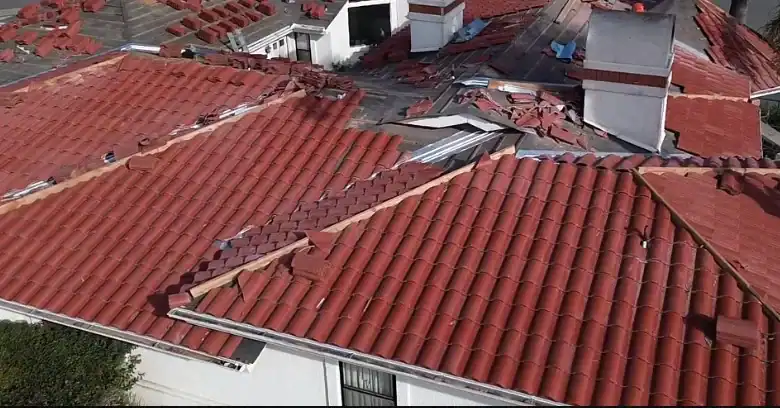
Considering Tile Roofing Serving Orcutt California?
Creative Roofing installs, repairs and re-sets the heavy, long-lived coverings found on many homes in the region, from Orcutt California out to the surrounding area.
Reach us at 805-723-2381 to set up a visit to look at your roof.
How These Roofs Are Put Together
Every piece is shaped to channel water downhill and over the piece below, so the layers below matter more than most people expect. Each type comes in profiles from rounded barrels to flat slabs and interlocking shapes, and the look varies enormously.
Load and Support
Many houses built for tile are designed to carry it, while others would need reinforcement, and an engineer may be involved in a conversion. Even a roof originally built for heavy units can lose strength over time if water has damaged the wood, and a careful contractor raises the issue unprompted.
Felt, Membranes and Battens
The membrane is out of sight, which is why it is easy to forget, and it is easy to overlook. Sun and heat trapped under the units bake the underlayment for years, until it dries, cracks and fails, and that is why age matters as much as appearance.
Dry Climate, Durable Roof
Long dry summers are easy on the material itself, though the layers underneath age in the heat, and the weight helps with wind as well. Concrete may chalk or fade after long exposure, and a clean surface may need a sealer or fresh paint, and a little care goes a long way.
Why Pieces Break
Falling branches and windblown debris can also crack pieces in a storm, so a close inspection from the roof is the only reliable method. Asking other trades to avoid walking on the roof prevents a lot of broken pieces, and keep spare pieces from the original installation.
Edges and Intersections
Metal flashing and sealant protect these joints, and both age in strong sun, and a hurried job shows up in the first heavy rain. Dry-set ridge systems replace mortar with clips and are easier to maintain, and a clean ridge line is a sign of good care.
How Units Are Secured
The method of attachment depends on the slope, the wind exposure and the local rules, so ask how the pieces will be held down. Keeping the roof and gutters clear of leaves and needles is part of staying safe, and local rules may set requirements for roof assemblies.
Matching the Work to the Condition
Many of these roofs are restored two or three times over the life of the building, and avoid roofers who recommend replacement without looking. Spalling concrete, crumbling clay and widespread cracks are signs that the surface is at its end, and that is worth keeping in mind.
How Units Are Bedded and Secured
Older roofs of this kind used mortar to bed the ridge and hip pieces and to seal the edges, and that mortar eventually cracks and crumbles, so ask how the pieces will be held in place. Replacing these strips during a re-lay is inexpensive, and it improves both fire resistance and cleanliness, so these small parts deserve attention.
Looking After the Appearance
Dark streaks and patches of lichen are common on north faces and under trees, and they are mostly a cosmetic issue, and a clean roof looks years younger. Pressure washers can strip the coating from concrete units and force water under the overlaps, so they are best avoided or used with great care, and a post-cleaning inspection is a good idea.
Underlayment Choices and Upgrades
High-temperature rated products suit the hot conditions found beneath dark units on a sunny slope, and a thoughtful answer is a good sign. A sticky rubberized sheet seals around fasteners and clings to the deck, providing waterproofing even if the surface layer is breached, and good detailing here pays off for decades.
Solar Panels, Skylights and Heavy Roofs
Special hooks and flashing kits exist for these roofs, and an installer who uses them keeps the surface watertight, and ask who is responsible for the seals. Every person who climbs onto a roof of this kind risks cracking something, so access should be limited to those who know how to walk it, and a short sign near the hatch helps. Metal valley liners should be inspected for rust, pinholes and loose edges, since they carry more water than any other part of the roof, and a ladder and a soft broom are often all you need.
Choosing Between Clay and Concrete
Between the two, concrete is usually the more economical, while clay is prized for its authentic look and its long record of service, and the better choice depends on the house and the budget. Profiles vary from the rounded barrel shape seen on Spanish and Mediterranean homes to flat slabs and interlocking designs that look like slate or shake, and it pays to think it through.
How to Weigh Two Bids
A thorough proposal names the material, the underlayment, the flashing and the method of attachment, and the details are what you are really buying. Find out whether the crew has experience on heavy roofs and can show examples of finished work, so do not hesitate to ask.
How a Restoration Proceeds
Each section of the roof is stripped down to the underlayment, repaired and covered with fresh waterproofing before the units go back, so a re-lay is slower than a shingle job.
Wildfire Season and Heavy Roofs
Clearing leaves and needles from valleys, gutters and the back of chimneys removes fuel that could ignite from a flying ember, and repair broken pieces before the winds arrive.
Documenting the Work for the Future
Photographs taken during the work show what lies under the units, which is a view that nobody sees again for decades, and it pays to think it through.
Ready to Look at Options
Those comparing Tile Roofing in Orcutt California can reach us by phone, so dial 805-723-2381 when it suits you. Even a quick call can clear up questions about underlayment, repairs and timing, and the first step is just a phone call.
Verified

Verified
Verified
Verified
Verified






















