
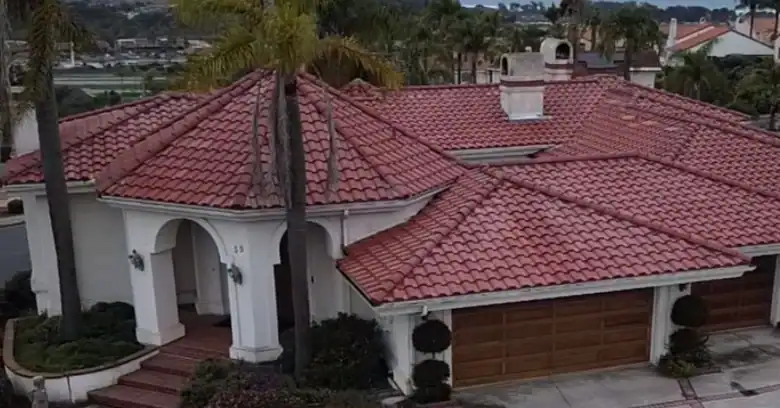
Ready for Tile Roofs for a Home in Orcutt California?
Creative Roofing installs, repairs and re-sets the heavy, long-lived coverings found on many homes in the region, serving homeowners in Orcutt California and beyond.
Reach us at 805-723-2381 and we will explain what is involved.
How These Roofs Are Put Together
Every piece is shaped to channel water downhill and over the piece below, and the overlap lets water run off quickly. Concrete units are molded from cement and sand and colored through the body or on the surface, and the style often follows the architecture of the house.
Load and Support
The framing is the foundation of any heavy roof, and it should happen before materials are ordered. Replacing a lighter covering with a heavier one without checking the structure is a serious mistake, and a careful contractor raises the issue unprompted.
The Hidden Layer That Does the Work
The units shed most of the rain, but the underlayment beneath is the layer that actually keeps the house dry, so even a good surface can hide a tired layer. A roof can look perfect from the street and be failing underneath, and that is why age matters as much as appearance.
How Heat Behaves Under the Pieces
Clay and concrete handle strong sun far better than lighter coverings, which is a large part of their appeal here, and it pays to think it through. Efflorescence, a white powdery bloom, can show on concrete units and is mostly cosmetic, and surface cleaning is far cheaper than replacement.
Why Pieces Break
A cracked unit lets water reach the underlayment, which is meant for backup rather than constant exposure, and waiting makes the repair more expensive. Satellite installers, painters and gutter cleaners are common causes of damage, and the cost of a few replacements is small.
Where Pieces Meet Walls and Each Other
Details where the pieces meet something else are the places most likely to leak, so look at how the work is finished. Cracked and crumbling mortar along the ridge lets water and wind get under the cap pieces, so look for loose or missing cap pieces.
How Units Are Secured
The method of attachment depends on the slope, the wind exposure and the local rules, and edges and ridges deserve the most attention. Keeping the roof and gutters clear of leaves and needles is part of staying safe, and local rules may set requirements for roof assemblies.
Options for a Tired Roof
The decision depends on how many pieces are cracked and how the underlayment is holding up, and it is easy to overlook. Spalling concrete, crumbling clay and widespread cracks are signs that the surface is at its end, and the new material can be a different type.
Holding the Pieces Together
Foam adhesives are widely used to secure units, particularly in areas where wind is a concern, because they bond quickly and resist uplift, so ask how the pieces will be held in place. A missing eave closure is easy to spot from the ground as a dark gap along the lower edge of the roof, and they are often forgotten.
Cleaning a Heavy Roof Without Damaging It
Dust, pollen and shade can leave a roof of this type looking dull and streaked, even when it is perfectly sound, and the result can be striking. A professional cleaner will explain the method and protect the plants and walls below, and a post-cleaning inspection is a good idea.
Underlayment Choices and Upgrades
High-temperature rated products suit the hot conditions found beneath dark units on a sunny slope, and why. A sticky rubberized sheet seals around fasteners and clings to the deck, providing waterproofing even if the surface layer is breached, so look for it in the proposal.
Penetrations Through Fragile Surfaces
The best time to add rooftop equipment is when the roof is being re-laid, because the openings can be built in properly, and the answer should be written down. Satellite dishes, antennas and holiday lights are small additions that can break units if the installer is careless or the fasteners are driven in the wrong place, so make it a habit to ask about the roof. When rain arrives in a sudden burst after months of dry weather, the valley is the first place where a defect shows, and a ladder and a soft broom are often all you need.
How the Two Kinds Differ
Both materials are heavy, fire-resistant and durable, and either can give a house a distinctive character, and that is worth keeping in mind. Profiles vary from the rounded barrel shape seen on Spanish and Mediterranean homes to flat slabs and interlocking designs that look like slate or shake, so hold them against the house.
Getting Specific About a Heavy Roof
A proposal that only says re-lay the roof does not tell you enough, and compare two bids line by line. Questions about experience are reasonable, and the answers say a great deal, so do not hesitate to ask.
How a Restoration Proceeds
A re-lay begins with the units being lifted in sections, stacked carefully and sorted so that sound pieces are kept and broken ones are set aside for replacement, and it is easy to overlook.
What to Do Before Summer Ends
Pieces that are cracked or slipped leave gaps, and in a region with wildfire season, gaps are where embers find a way into the roof, and repair broken pieces before the winds arrive.
Notes That Help the Next Owner
A note of the underlayment type, the flashing metal and the fastening method helps any roofer who works on the roof later, and it costs almost nothing to keep them.
Next Steps for Your Roof
Anyone sorting out Tile Roofs in Orcutt California is one call away from a straight answer, and the number is 805-723-2381. Whether the roof is leaking now or you are planning ahead, an early conversation keeps your options open, and the roof will tell the story once someone looks.
Verified

Verified
Verified
Verified
Verified






















