
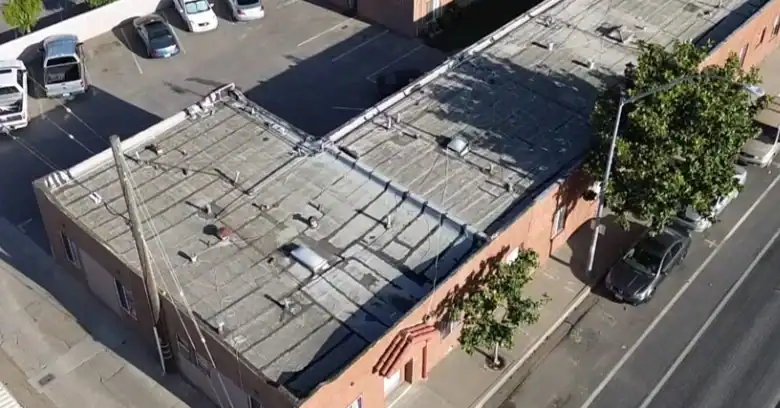
Sourcing Commercial Roof Installations for a Building in Central Coast California?
Creative Roofing handles building roofs with an eye on drainage, access and daily operations, for properties in Central Coast California and the surrounding area.
Contact us at 805-723-2381 to arrange a visit to the property.
Why a Building Roof Is a Different Animal
A roof over a business is usually flat or nearly flat, and that changes almost everything about it, and the materials are chosen with that in mind. Waterproofing on a low slope comes from the sheet itself rather than from the angle, and a small gap can become a large leak.
A roof leak above a store, warehouse or office damages more than the ceiling, and regular checks pay for themselves.
The Membranes Used on Flat Roofs
Many newer commercial roofs use a single-ply membrane over insulation, and the differences matter when comparing proposals. Asphalt-based systems are proven and repairable but heavier than single-ply sheets, and it is easy to overlook. Coatings over an existing sound roof can extend its life without a tear-off, so the building and its use drive the decision.
How Water Leaves a Building Roof
Standing water is the most common enemy of a low-slope roof, and drains need to be clear before the rainy season begins. Debris collects around drain strainers after the dry months and blocks them in the first storm, and a clogged drain can load a roof beyond its design.
Equipment Is Where Leaks Start
Heating and cooling units, exhaust fans and vents sit on most commercial roofs, and many leaks start there rather than in the open field. A roof that has regular service visits needs protection along the paths, and a few walkway pads cost little compared with a patch.
Heat Over a Working Building
Heat and ultraviolet light age a roof surface more than rain does, and reflective surfaces stay cooler. A cooler roof surface lowers the strain on air conditioning in hot months, and the details of the benefit depend on the building.
Looking After a Roof Between Repairs
Roof maintenance is a habit more than a project, and a written report builds a useful history. Photographs from each visit help track changes over time, so the cost is modest.
Repair, Coat or Replace
Not every aging roof needs a full tear-off, and saving a good roof is cheaper than replacing it. Replacing only the surface over saturated insulation hides the problem without solving it, and the cost of delay grows with every storm.
Scheduling and Safety
Many commercial roofs are replaced in sections so that the building is never left open, and communication with tenants is part of the job. Access to the roof should be controlled while the work is in progress, and a little care goes a long way.
Reading a Roof Proposal
A clear commercial proposal names the system, the thickness and the method of attachment, and ask about anything that seems vague. A record of the materials and details used helps with later maintenance, and it is easy to overlook.
Where the Water Really Gets In
Water travels along decking, insulation and ductwork before it shows up on a ceiling, so a careful inspection is worth the time. Common sources include seams, drains, flashing at walls and the base of every pipe, so the inspection begins at the details. Infrared and electronic surveys map wet insulation without cutting the roof apart, and a little care goes a long way.
How Wind Affects a Flat Roof
Wind lifts a flat roof from the edges and corners first, and repairs there should not wait. A strip of metal that has come away is an invitation for wind and water, and the work is usually quick.
Where the Roof Meets the Building
Parapets are the short walls that rise around the edge of many commercial roofs, and that is worth keeping in mind. Counterflashing and termination bars hold the membrane to the wall and keep water out, and a repair there often needs more than a bead of caulk.
Giving an Older Roof More Time
Restoration coatings are meant for roofs that are still basically sound, so cleaning and repairing come first. A coating is not a cure for a failed roof, so be wary of anyone who promises it fixes everything.
Big Buildings, Big Roofs
Large roofs pose logistical problems that small ones never do, so coordination with the building operator is essential. A leak in one unit may start above the next one down the line, and the owner usually coordinates the work. Planning around families and daily routines matters on a residential property, and good communication is part of the job.
Spending Wisely on a Flat Roof
Treating the roof as an asset with a lifespan is the smart approach, so the information from maintenance visits feeds the budget. Quality materials and careful installation tend to pay back over time, and ask about the expected service life of each option.
Insulation and Cover Boards
Most commercial roofs have rigid insulation boards between the deck and the waterproofing, and it is easy to overlook. A thin board over the insulation spreads loads and gives the membrane a better base, and that is worth keeping in mind. Designing the slope into a replacement gives the roof a long-term advantage, and the drawings show where the water will go.
Getting a Roof Ready Before the Rains
Written notes from each seasonal visit build a record that helps with budgeting and with conversations about replacement, and a dry building is the reward.
Ready to Look at the Roof
Anyone sorting out Commercial Roof Installations in Central Coast California is one call away from a straight answer, and the number is 805-723-2381. There is no pressure in asking questions about a roof, and the first step is a simple phone call. Most building owners find that a short call clears up more than weeks of wondering, and the conversation can be brief. Tenants, lenders and insurers all take an interest in the state of a roof, and written records show the property has been cared for.






















