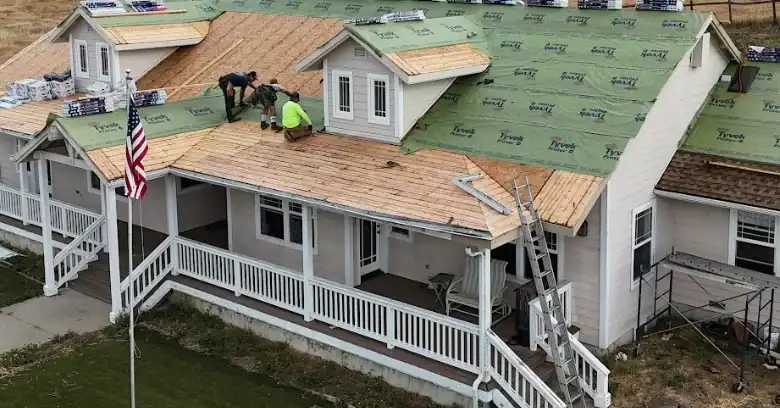
Choosing Roofer Contractors Near Central Coast California?
Creative Roofing gives homeowners a plain picture of what it is like to hire and live with a work crew, in Central Coast California and the neighborhoods that surround it.
Reach us on 805-723-2381 if you would like to talk to a roofer before deciding anything.
The Trade in Plain Terms
The word covers a lot of ground, from a one-person repair outfit to a company with several crews, and it is perfectly normal to ask. Someone who mostly installs on new builds may be less comfortable with a leak on an old roof, and neither is wrong, only different. The craft combines carpentry, sheet metal work and a feel for water, and watching a crew work tells you a lot. Sales, scheduling and installation can be separate roles, so it helps to learn who your main contact will be, and that is normal as long as the plan is clear. A number of roofers run their own crews while others hire labor by the job, and both models can work well, and what matters is clarity.
Building a Short List
Building supply counters, property managers and your own contacts are all useful sources, and a short list is easier to compare. Pay attention to how a roofer treats questions, because that is a preview of the whole job, so notice whether they ask about your house. Property managers see numerous roofs and know which roofers finish on time, and their stories help you form better questions.
A Short Interview for Your Roofing Crew
Ask how the roofer handles an unexpected find, such as rotted boards under the old covering, since the way a question is handled says a lot. Ask how the roofer decides between repairing and replacing, and what evidence they rely on, and compare the answers across your list. Ask whether the work is done by in-house workers or by subcontracted labor, and who supervises it, so you know who is responsible for what. Crew changes in the middle of a job can lead to uneven work and confusion about who is in charge, and the best answers are short and clear.
What a Clear Scope of Work Includes
The best proposals say exactly what is included and what is not, and make sure the proposal fits what was discussed. A line about protecting plants, windows and the driveway shows the roofer has thought ahead, so read the fine print twice. Dates, quantities and materials should be spelled out so that neither side has to rely on memory, and good paperwork protects both sides. Compare proposals by what they cover, not only by the total at the bottom, and take your time before you sign.
Red Flags and Good Signs
Pressure to sign today, a refusal to put things in writing and vague answers about who will do the work are all reasons to slow down, and good work does not need pressure. A roofer who cannot say where they will be next month deserves extra questions, and you can always say you need to think it over. On the other side, a roofer who shows up when promised, listens to your concerns and explains the scope calmly is a good sign, and the feeling you get matters. Roofers who volunteer to show you what they found on the roof tend to be the ones who do careful work, so give it weight in your decision.
Working Alongside the Crew
Pets and children should be kept away from the work area for safety, and the crew will appreciate clear access. Make sure sprinklers and security systems will not trip when the crew arrives, and tell the lead about any quirks of the property. Give the crew room to work while staying easy to reach for questions, and a calm tone makes for a better job. Many roof jobs take several days, and the first day is usually the busiest, so expect to see the crew most of the day.
When Rain or Heat Changes the Plan
Weather decides when a roof can be worked on, and good crews respect that, and ask how the roofer communicates schedule changes. Bad weather, heat or a gusty afternoon can change the plan, and that is a normal part of roofing, so keep your phone close. Wind that picks up in the afternoon is a normal reason to stop for the day, and the work resumes as soon as conditions allow. A crew should always dry in the roof before leaving for the day, and temporary covers are standard practice.
Closing Out the Job Properly
Walk the property with the crew lead, look at the roof from several angles and ask about anything that looks unusual, so nothing is forgotten in the rush of finishing. Ask the lead to explain what was done at the valleys and how water is directed away from the walls, and a good crew expects questions. Keep every document from the job in a folder where you can find it later, and keep their number handy.
Start the Conversation
Choosing among Roofer Contractors in Central Coast California comes down to trust, and a short conversation shows a lot, and the number is 805-723-2381. Even if you are only exploring, it costs nothing to ask a few questions and see how they are answered, and there is no wrong first question. Tell us what the roof is doing, what you have noticed and what you would like to know, and there is no pressure attached to the call. Every call starts with listening, and the plan follows from what you say, and a call is a low-pressure first move. Roofing is a relationship as much as a transaction, and it starts with how you are treated on the first call, and that goes for Central Coast California and the towns around it. A roof job touches your home for days and your budget for much longer, which is why trust matters, and the right roofer will earn it over the course of the job.