
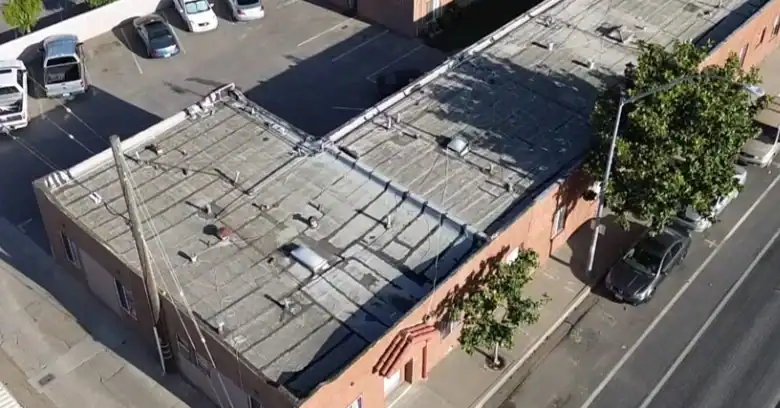
Sourcing Commercial Roof Maintenance Across Orcutt California?
Creative Roofing handles building roofs with an eye on drainage, access and daily operations, for properties in Orcutt California and the surrounding area.
Phone 805-723-2381 to talk through a commercial roof question.
How Building Roofs Differ
Most commercial buildings have low-slope roofs, which shed water slowly and carry equipment, and the failure modes are different too. A low-slope roof has to be sealed, not just overlapped, so installation craft counts for a great deal.
Tenants and staff notice a drip long before an owner sees the cause, and that makes prevention worth more than repair.
Types of Commercial Roofing
TPO, PVC and EPDM are the single-ply families most owners hear about, and each family has its own seam method. Older buildings often have built-up roofing, with several layers laid over one another, and it is easy to overlook. Coatings over an existing sound roof can extend its life without a tear-off, and an honest contractor will explain the limits.
How Water Leaves a Building Roof
Ponding water speeds up wear and adds weight the structure has to carry, so inspections are best scheduled in late summer. Debris collects around drain strainers after the dry months and blocks them in the first storm, so clearing drains is the cheapest maintenance on the list.
Air Conditioners, Vents and Curbs
A roof with a lot of equipment has a lot of penetrations to maintain, and the flashing around each one has to be right. Service technicians walking to equipment can wear a path through a membrane, and a contractor can mark them on the roof.
Reflective Roofs and Cooling Costs
Long dry summers expose a membrane to strong ultraviolet light month after month, and the surface slowly dries, chalks and cracks. Cooling load is one of the practical reasons building owners choose a reflective roof, and the details of the benefit depend on the building.
Maintenance Programs
Routine care costs a fraction of an emergency repair, and the best times are before and after the rainy season. Small repairs made early keep water out and extend the life of the membrane, and the results show up in fewer emergency calls.
Weighing the Options
The right answer depends on how much of the system is still dry and sound, so ask for evidence before agreeing to a plan. Wet insulation stops insulating and adds heavy weight to the structure, so a clear diagnosis matters.
Tenants, Customers and Noise
A good plan keeps customers and staff away from the areas under construction, so the schedule is shared in advance. Barriers and warning lines protect pedestrians from falling tools and materials, so ask how the site will be protected.
Making Sense of Competing Bids
A good proposal should say what will be removed, what will be installed and how the edges will be finished, and the details are worth a closer look. Ask how the work will be inspected and what documentation will be provided at the end, and it is worth requesting before the work starts.
Finding the Source of a Commercial Leak
Water travels along decking, insulation and ductwork before it shows up on a ceiling, and the roofer has to follow the evidence across the roof. The edges and the corners are where a flat roof tends to give way first, and the open field is checked last. Knowing where the water is saves guesswork and wasted effort, and a clear map makes planning easier.
Edges Are Where Roofs Let Go
Gusts act on a roof like air over an aircraft wing, trying to lift it, and the perimeter needs extra fastening. Coping and edge flashing should be firmly attached and free of gaps, and the work is usually quick.
Where the Roof Meets the Building
A parapet is an extra wall that needs its own waterproofing on both faces, and a gap at the top lets water run down behind the membrane. Sealants at the top of a flashing dry out in strong sun and need redoing, and a good roofer will point out what belongs to the wall.
Coatings and What They Can Do
Acrylic, silicone and urethane are the main families of liquid roof coatings, and the right product depends on the existing membrane. Coating over a wet roof is a common and costly mistake, and the follow-up inspections matter too.
Scale Changes the Planning
Warehouses and distribution buildings often have very large, uninterrupted roofs, and the roof can be done in sections. Shared roofs raise questions about who is responsible and who pays, and the owner usually coordinates the work. Planning around families and daily routines matters on a residential property, and good communication is part of the job.
Spending Wisely on a Flat Roof
People who set aside funds for roof work avoid scrambling when the time comes, and nobody likes a surprise expense. The cheapest proposal is not always the best value, and the details are worth a closer look.
What Sits Between the Deck and the Membrane
Thick boards of insulation do much of the work of holding heat in or out, and they are protected by the membrane above. Adding a cover board is a common upgrade during a re-roof, so many owners include it. Slope built into the insulation is one of the cleanest ways to fix drainage problems, and it is a good time to ask about it.
Getting a Roof Ready Before the Rains
Written notes from each seasonal visit build a record that helps with budgeting and with conversations about replacement, so schedule it like any other maintenance.
Next Steps for Your Commercial Roof
Owners weighing Commercial Roof Maintenance in Orcutt California can reach us by phone, and 805-723-2381 reaches someone who can help. There is no pressure in asking questions about a roof, and the first step is a simple phone call. Putting off a roof decision seldom makes it simpler, and describe what you are seeing. Tenants, lenders and insurers all take an interest in the state of a roof, so it pays to begin early.
Verified

Verified
Verified
Verified
Verified






















