
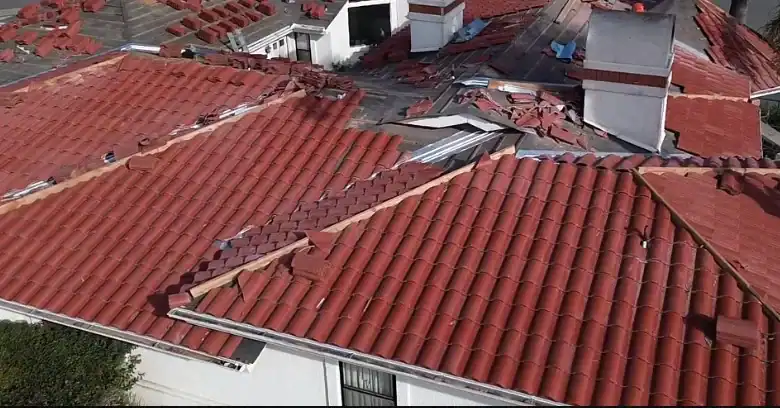
Ready for Tile Roofing Services for a Home in Lompoc California?
Creative Roofing works with clay and concrete roofing units, from a single cracked piece to a full re-lay, for homes in Lompoc California and the towns around it.
Dial 805-723-2381 and we will explain what is involved.
A Heavy Covering With a Long History
Fired clay and molded concrete are the two materials used for the heavy, durable coverings found across the region, and the real waterproofing sits underneath. Clay is formed and fired in a kiln, which gives it a rich natural color that does not fade, and the look varies enormously.
Weight, Framing and What the House Can Carry
The framing is the foundation of any heavy roof, so a visual check is where the process begins. Replacing a lighter covering with a heavier one without checking the structure is a serious mistake, so ask who will assess the framing.
Underlayment Is the Real Waterproofing
The membrane is out of sight, which is why it is easy to forget, and it is easy to overlook. Sun and heat trapped under the units bake the underlayment for years, until it dries, cracks and fails, so ask what product will go under the units.
Dry Climate, Durable Roof
Long dry summers are easy on the material itself, though the layers underneath age in the heat, and the color stays true for decades. A gentle wash and a clear sealer can refresh the appearance of an older roof, and a roofer can tell the difference.
Cracks, Slips and Broken Pieces
A piece cracks when someone steps on the wrong spot, and many are broken by workers on the roof for other reasons, and replacing a broken piece is a quick job. Satellite installers, painters and gutter cleaners are common causes of damage, and keep spare pieces from the original installation.
Hand-Shaped Metal and Mortar
Every junction on the roof is a place where craft decides the outcome, so look at how the work is finished. Dry-set ridge systems replace mortar with clips and are easier to maintain, and the repair is far less costly than water damage.
Holding Heavy Pieces in Place
Some systems use a mechanical clip at every piece, while others rely on adhesive along the edges, and edges and ridges deserve the most attention. Clay and concrete are noncombustible, which is a strong advantage in a region with wildfire seasons, and the details are worth a closer look.
Repair, Re-Lay or Replace
Re-laying saves the cost of new material and keeps the original look of the house, and avoid roofers who recommend replacement without looking. Replacing the whole roof is the right call when the pieces themselves are failing, the framing is damaged or the style no longer suits the house, and a good roofer will lay them out plainly.
Adhesives, Clips and Mortar
Foam adhesives are widely used to secure units, particularly in areas where wind is a concern, because they bond quickly and resist uplift, and the method should be named in the proposal. A missing eave closure is easy to spot from the ground as a dark gap along the lower edge of the roof, and a little care goes a long way.
Looking After the Appearance
A gentle low-pressure wash can restore the appearance of a roof, but harsh pressure damages the surface and loosens the pieces, and a sealer can slow the return of stains. High pressure is the wrong tool for a roof made of individual pieces, because the water is driven uphill under the laps, and the roof will look and perform better.
Felt, Synthetic and Self-Adhering Options
Basic and premium underlayment differ little in cost when set against the cost of the roof, so ask which product is specified. Combining a sturdy base layer with extra protection at critical points gives a roof two lines of defense, and the extra layer is inexpensive protection.
Solar Panels, Skylights and Heavy Roofs
The best time to add rooftop equipment is when the roof is being re-laid, because the openings can be built in properly, and ask who is responsible for the seals. Service technicians for air conditioning and chimney sweeps should be told to step only where the roof can bear a person, and inspect after every visit. Valleys and low points on a roof of this kind carry the heaviest flow in a downpour, and the units along their edges are cut to fit and sealed with care, and a ladder and a soft broom are often all you need.
How the Two Kinds Differ
Natural clay generally keeps its color for a very long time, while a coated concrete surface can fade or chalk and may need refreshing, and the difference shows up in the details. Barrel tiles are laid in alternating channels and caps, while interlocking units are single pieces that lock together along their edges, and take your time with the choice.
Getting Specific About a Heavy Roof
Look for details on the underlayment type, the valley metal and the ridge system, so ask for them before signing. Find out whether the crew has experience on heavy roofs and can show examples of finished work, so do not hesitate to ask.
Planning a Re-Lay Step by Step
Pieces are removed row by row from the top down, and the crew takes care to avoid cracking more units than the roof already has, and it is easy to overlook.
Preparing for Dry Winds and Embers
Before the dry season peaks, a quick walk around the house with binoculars can show broken units, loose ridge pieces and debris piled in the valleys, and a roofer can check them quickly.
What to Save After a Restoration
A note of the underlayment type, the flashing metal and the fastening method helps any roofer who works on the roof later, so ask the roofer for copies.
Next Steps for Your Roof
Homeowners weighing Tile Roofing Services in Lompoc California can begin by describing the house and the roof they have, and 805-723-2381 reaches someone who can help. Whether the roof is leaking now or you are planning ahead, an early conversation keeps your options open, so reach out whenever you are ready.
Verified

Verified
Verified
Verified
Verified






















