Looking Into Residential Roofer Services in Central Coast California?
Creative Roofing walks you through the people side of a roof job, from the first call to the last walk-through, across Central Coast California and nearby communities.
Call 805-723-2381 and put your questions to someone who handles roofs every week.
From Estimator to Installer
A number of roofers specialize in repairs and others in complete replacements, and the difference is worth knowing, which affects how the job is quoted and carried out. The mix of work a company does affects what it is best at, so ask what fills their calendar, and ask for examples of similar jobs. Skill on a roof shows in the neat edges, the straight lines and the tight flashing, and a steady crew is a good sign. One person usually walks the roof and writes up the scope, and a different group often does the physical work, and everyone should work from the same written scope. Ask which model you are dealing with so there are no surprises about who turns up, and what matters is clarity.
Sources You Can Trust
Word of mouth from people who just had a roof done beats any online ranking, so make a short list of three or four to contact. A prompt, courteous reply to your first message is one of the best early signs, so notice whether they ask about your house. Neighbors who watched the work from their driveways often notice details the owner missed, and gather a few names before you call anyone.
Questions Worth Asking
A good roofer can explain what will happen on the roof without hiding behind terms, because details are where jobs go well or badly. Ask how the roofer decides between repairing and replacing, and what evidence they rely on, and good roofers enjoy these questions. Ask which parts of the old roof will be replaced and which will stay, and no question is too basic. Ask whether the same crew will be on the roof from the first day to the last, and a vague reply is not a good sign.
Written Details That Prevent Disputes
Look for the covering named by type and color, the underlayment, the flashing and the vents, and make sure the proposal fits what was discussed. The proposal should name the person who will supervise the work and how to reach them, and ask for revisions if something is unclear. Dates, quantities and materials should be spelled out so that neither side has to rely on memory, and the tone of the document says something about the roofer. Ask how changes are handled once the job has started, and ask that the answer be written in the contract, and a change order should always be in writing.
Warning Signs During the Hiring Process
Pressure to sign today, a refusal to put things in writing and vague answers about who will do the work are all reasons to slow down, so trust your sense of the conversation. Door-to-door offers that follow a storm come with a deadline, and the deadline is the warning sign, and a short pause costs very little. A crew that is careful with your property on the first visit will probably be careful on the roof, and the calm roofers are often the best ones. Look for a roofer who is as interested in your questions as in your signature, so give it weight in your decision.
Day-to-Day Life During the Work
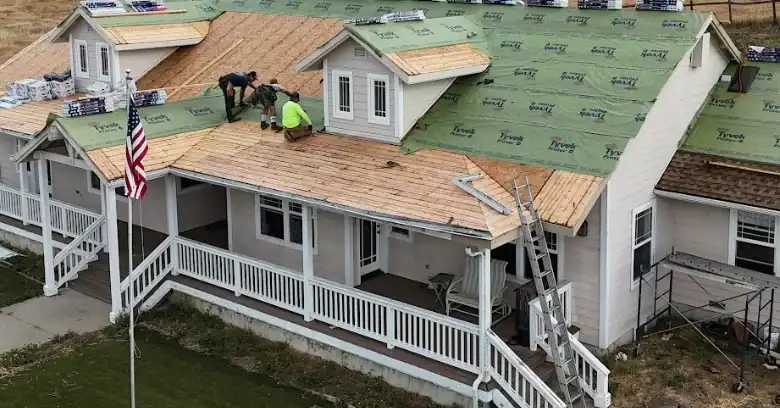
A short planning talk the day before saves confusion on the morning the crew arrives, so the first morning goes smoothly. Expect people on the roof from early morning, and expect the sound of removal to be the loudest part, and neighbors will appreciate a warning. Check in with the crew lead at the end of the day rather than interrupting during the work, and a short daily conversation prevents most misunderstandings. Many roof jobs take several days, and the first day is usually the busiest, so expect to see the crew most of the day.
When Rain or Heat Changes the Plan
Rain that arrives in bursts can push a start back by a day or a week, and gusty days are unsafe on a roof, so build a little flexibility into your plans. Bad weather, heat or a gusty afternoon can change the plan, and that is a normal part of roofing, so keep your phone close. Wind that picks up in the afternoon is a normal reason to stop for the day, so patience is part of the process. A crew should always dry in the roof before leaving for the day, so confirm how the roof is protected if work pauses.
Closing Out the Job Properly
Walk the property with the crew lead, look at the roof from several angles and ask about anything that looks unusual, so nothing is forgotten in the rush of finishing. Ask the lead to explain what was done at the valleys and how water is directed away from the walls, and it is far easier to fix a detail on the day. A roofer who stays in touch after the job is one worth recommending, and a note of thanks goes a long way.
Where to Go From Here
Hiring Residential Roofer Services in Central Coast California should feel like a conversation, not a sales presentation, and 805-723-2381 is the line for any question. Even if you are only exploring, it costs nothing to ask a few questions and see how they are answered, so ask away. Describe what you see and what worries you, and we will take it from there, so there is nothing to prepare. Every call starts with listening, and the plan follows from what you say, and the details can be worked out step by step. Good communication on the way in tends to carry through to the end of the job, and our team is ready to talk whenever you are. A roof job touches your home for days and your budget for much longer, which is why trust matters, and trust it when you find it.