
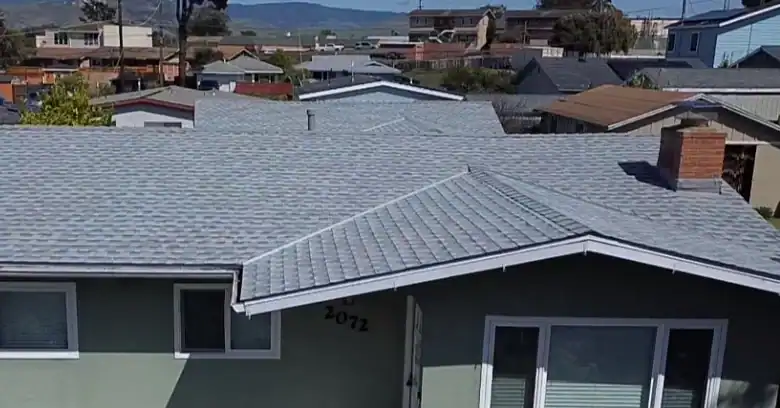
Looking for Roofing Near Me Around Central Coast California?
Creative Roofing covers each step of putting a new roof on a house, working in Central Coast California and nearby.
Dial 805-723-2381 to start a conversation about the roof over your head.
The First Step in a Roofing Project
A roofing project begins with a close look at the surface, the edges and the pipes, and a rushed visit tends to cost more than it saves. A proper look covers the slopes seen from the yard and the ones that are not, and that is the evidence a sensible plan is built on.
Sun and heat age a roof in ways that rain alone never would, so the wear is rarely even from one side to the next.
Choosing How Far to Go
Whether to fix or replace comes down to the condition of the layers beneath the surface, and the details are worth a closer look. Ask to see the problem areas, either in photographs or from the ladder, because you are the one living under the result.
When the decking underneath is damaged, the scope of the job grows, and nobody should be surprised when it happens.
Material Decisions
Asphalt shingles, concrete or clay tile and standing seam metal are the coverings most often put on homes here, so structure comes first and appearance second. Color deserves more thought than it usually gets, and that is worth keeping in mind.
When the Crew Can Work
Roofing here follows the weather more than the calendar, and crews watch the forecast closely. The temperature on the roof can run well above the temperature in the shade, so the day usually begins at sunrise.
Stripping Down to the Deck
The existing covering is stripped away and the deck is left exposed for inspection, and magnets and rakes pick up the nails that fall. The deck is checked, mended and made flat for the next layer, because new material is only as good as what it is fastened to.
Protection Under the Covering
The surface you see is only the outer layer of a roof, and chimneys get particular care. Once the underlayment is down, the house is considered dried in, and the visible covering goes on from there.
Details That Decide Whether It Leaks
The places where a roof is interrupted are the places most likely to leak, so fresh metal is standard practice among careful crews. The seal around a vent pipe rarely lasts as long as the surface around it, and putting in new boots costs little when the roof is already open.
Attic Airflow
An attic under a hot roof can reach extreme temperatures in summer, so vents near the ridge give the hot air a way out. Adding vents at random may do little more than cut holes in the roof, and the answer should be part of the proposal.
Finishing the Job
Final cleanup means more than a quick sweep, and that is part of the work, not an extra. A walk around the finished roof with the roofer is a reasonable thing to ask for, and a saved record answers questions nobody has thought to ask yet.
Permits and Paperwork
Rules about reroofing differ from one city to the next, because surprises at the counter slow everything down. Fire safety rules in some neighborhoods affect which coverings are allowed, since the covering you pick has to be one the town accepts. The best paperwork leaves little room for misunderstanding, and it is worth reading it slowly.
Looking After Your Property During the Work
The ground around a house takes a beating during a roof project, so tarps and plywood go down where debris will land. Moving vehicles out of range for the day is a simple precaution, and a little planning prevents most accidents. Hammering on the deck above can rattle a ceiling and drop dust into the rooms below, and a little care goes a long way.
Noise, Neighbors and Daily Life
A simple roof may go quickly while a complicated one takes longer, so ask for the expected start and finish up front. Dumpsters and trucks may take up space on the road, and the whole thing is over sooner than it seems. Working from home during a roof job is possible, though not always pleasant, so consider a day out of the house if you can.
Questions That Reveal the Difference
Ask how the roof will be ventilated and how the flashing will be handled, since confident answers come easily to people who do this daily. The product line matters as much as the type of covering, and take your time reading it. Surprises are normal, and a process for them is a sign of a well-run job, and the details are worth a closer look.
Looking After a New Roof
Regular glances at the roof catch small problems early, and little problems stay little. Debris on the roof holds moisture and wears the surface, so it is worth doing before summer ends. Early attention to a leak is almost always cheaper than late attention, and the earlier the better.
Is There a Best Time for a New Roof
Planning ahead usually gives better choices than reacting to an emergency, and a calm decision is nearly always a better one. Late summer is hot but dependable, and crews are usually busy, and the details are worth a closer look.
Checking the Space Beneath the Deck
When the old roof comes off, the crew sees the underside of the deck, and stains, rust on nail tips and darkened wood tell the story of past leaks, and it is easy to overlook.
Next Steps for Your Roofing Project
Homeowners comparing Roofing Near Me in Central Coast California can simply pick up the phone, so use 805-723-2381 to talk through the roof and the next step. Every roof is different, so every conversation starts from the house itself, and that is worth keeping in mind. The decision often feels bigger before the call than it turns out to be, so pick up the phone when you are ready.






















