
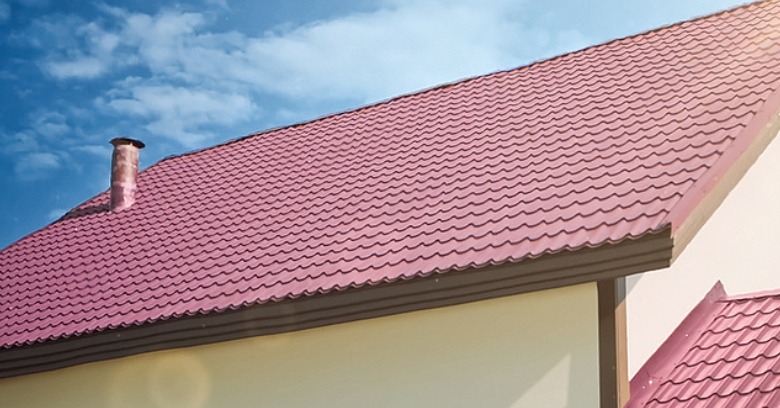
Ready for Corrugated Metal Roofing Throughout Santa Maria California?
Creative Roofing handles metal roofing for houses, porches, garages and outbuildings, from Santa Maria California out to the surrounding area.
Call 805-723-2381 to talk through the panel styles and what would suit the house.
A Roof Made of Steel or Aluminum
Metal roofing means coated steel or aluminum panels fastened over a solid deck and a protective underlayment, and that is worth keeping in mind. The base metal and its coating determine how the roof will wear, and your roofer can compare them for you.
The Shapes Metal Takes
Standing seam is the style most people picture when they think of a modern metal roof, and the system is generally more expensive than exposed-fastener types. Screw-down panels cover large areas economically and quickly, and the details are worth a closer look. Stone-coated steel panels have a granular finish fused to a formed steel base, and installation uses small pieces rather than long panels.
Color, Coatings and Reflectivity
Intense sunshine heats a metal panel quickly, though the heat leaves just as fast, and that is worth keeping in mind. Cool-roof coatings are designed to reflect sun and shed heat quickly, and the finish is only part of the picture.
Metal Grows and Shrinks Every Day
A panel in summer sun can be measurably longer than the same panel on a cool night, so the system should never trap it. Fasteners are the most common maintenance item on screw-down roofs, and neglect is what lets small leaks start.
Edge Details That Matter
Uplift is the force that matters on a lightweight covering, and a loose piece of edge metal is a warning. Closures at the eave and the ridge are small parts with a big job, and that is worth keeping in mind.
Fire, Embers and Metal
Fire resistance depends on the entire assembly, but a metal surface is a strong start, and it pays to think it through. Debris that piles in valleys and against walls can feed a small fire, so sweep leaves and needles away regularly.
Living Under a Metal Roof
People often worry that rain on a metal roof will be loud inside the house, and you can ask to hear a sample on site. Metal roofs reflect heat and can help keep an attic cooler when installed with a proper air gap, and a good answer is specific.
What Careful Installation Looks Like
A good metal roof begins with good preparation of the surface beneath, so ask which product will be used. Valleys, hips and ridges are trimmed in metal to match the panels, and the quality of the craft shows at these points. Panels are cut to length, hemmed at the ends and fastened in a set order that keeps them straight, and a little care goes a long way.
What a Metal Roof Needs From You
Debris that sits on metal holds moisture and can lead to staining and corrosion, and the details are worth a closer look. Fasteners must be compatible with the panel metal to avoid galvanic reactions, and gentle cleaning is usually enough.
Where the Water Goes
The first big rain of the season tests every drainage detail on a house, and gutters must be sized to cope. Gutter placement and drip edge details matter more with metal than with rougher surfaces, and it pays to think it through.
Overlay or Tear-Off
A retrofit system uses strips or battens fastened over the old covering to carry the new panels, and a little care goes a long way. Starting from bare wood is the most thorough approach, and it costs more in time and disposal.
Matching Panel to Pitch
The pitch of a roof determines which panel styles will shed water reliably, and the manufacturer lists the minimum slope. Porches, patios and additions often have lower slopes than the main roof, so ask to see examples.
Thinking Beyond the First Installation
Metal roofs are known for lasting a long time when installed well and kept in good order, and it pays to think it through. A roof that looks good and needs little upkeep appeals to many buyers, so save the paperwork and the touch-up paint.
Where Metal Jobs Go Wrong
Leaks around penetrations usually come from poor flashing details rather than bad panels, so experience counts for more than a low figure. Heavy foot traffic on thin panels leaves marks that never go away, and a small touch-up prevents a big problem.
What to Ask Before You Choose
Panel thickness is measured in gauge, and a lower number means thicker metal, and that is worth keeping in mind. A contractor with experience can explain problems before they happen, so do not hesitate to ask.
Choosing Colors and Finishes
Baked-on paint systems protect metal panels and give them their color for many seasons, so ask what finish is on the panels. Lighter and mid-tone colors tend to hide dust and minor wear better, and the light changes the look through the day. Asking the roofer about local requirements is a sensible first step, so make it part of the early conversation.
Completing the Roofline
Metal trim at the eave gives the roof a finished look and keeps water away from the wood behind it, and the right trim makes the roof look intentional. Metal sheds leaves quickly, and they land in the gutters in a heap during autumn winds, and keep branches trimmed back from the roof.
Measuring, Forming and Delivery
Because panels are often rolled to length for a specific roof, accurate measurements and a firm choice of color have to come before anything is ordered, and it varies with the season and the maker.
Talk to Us About a Metal Roof
A conversation about Corrugated Metal Roofing in Santa Maria California usually starts with the style of the home, so use 805-723-2381 to set up the next step. There is no pressure in asking about a metal roof, and we are glad to help you sort it out.
Verified

Verified
Verified
Verified
Verified






















