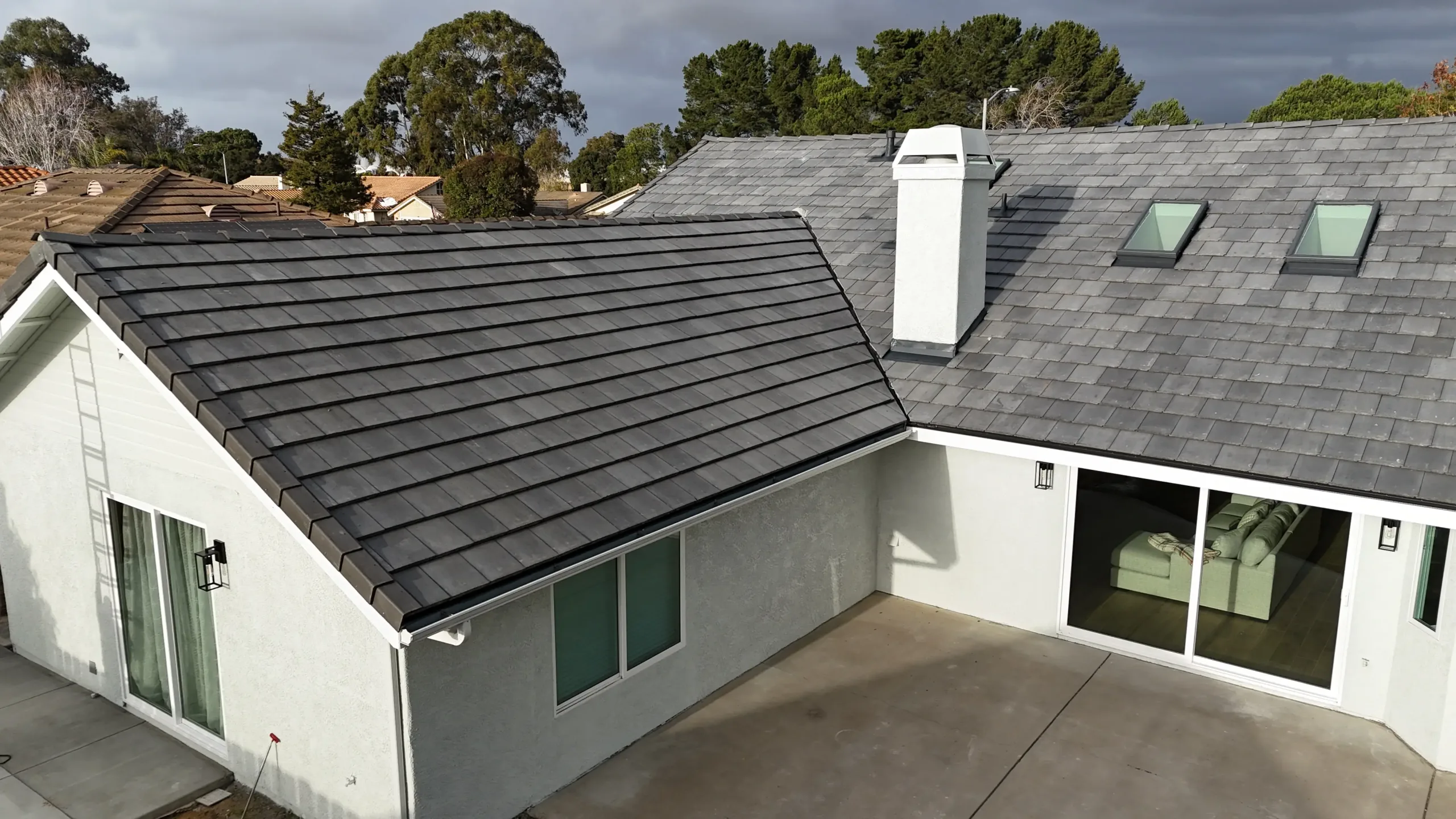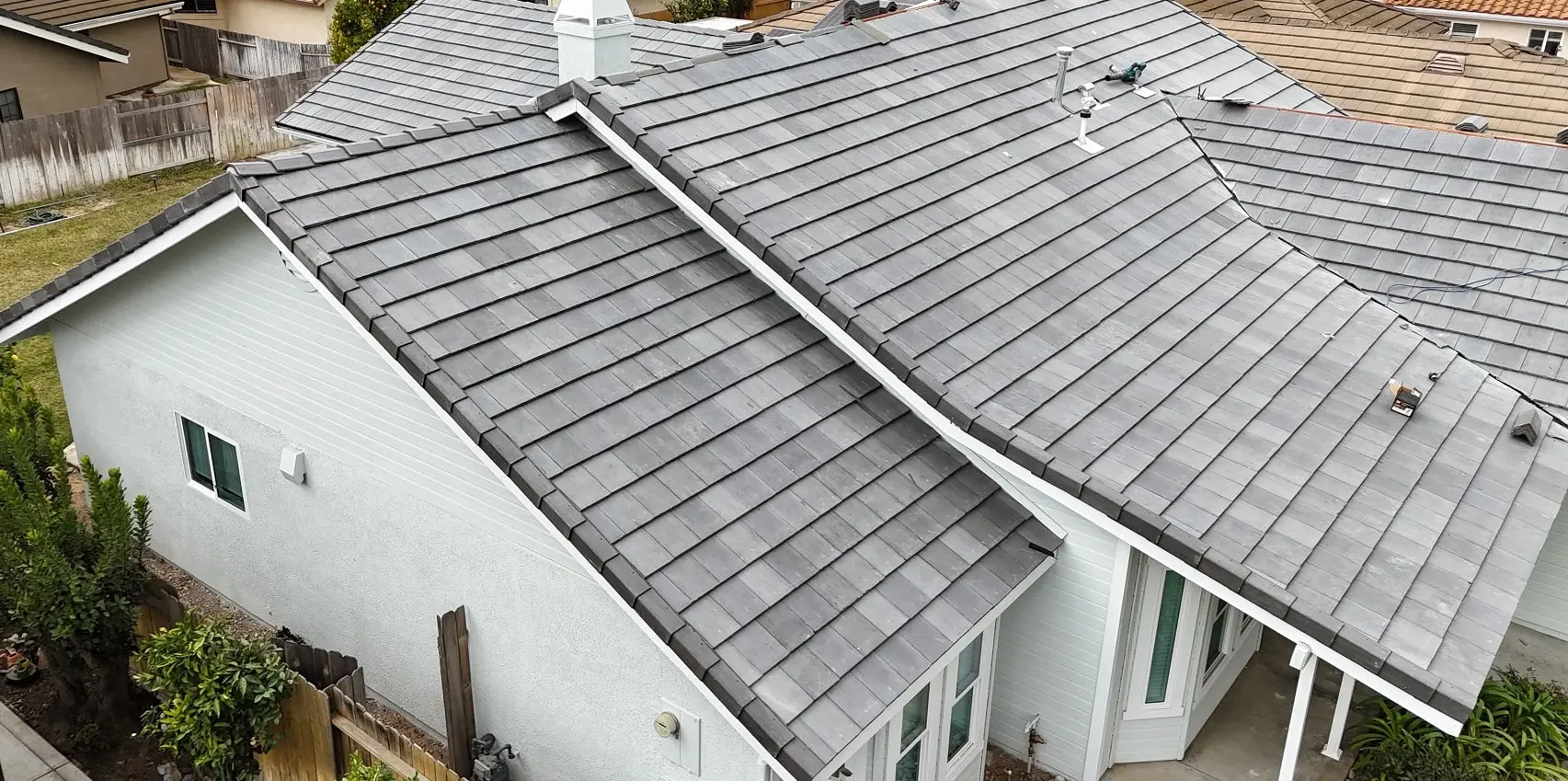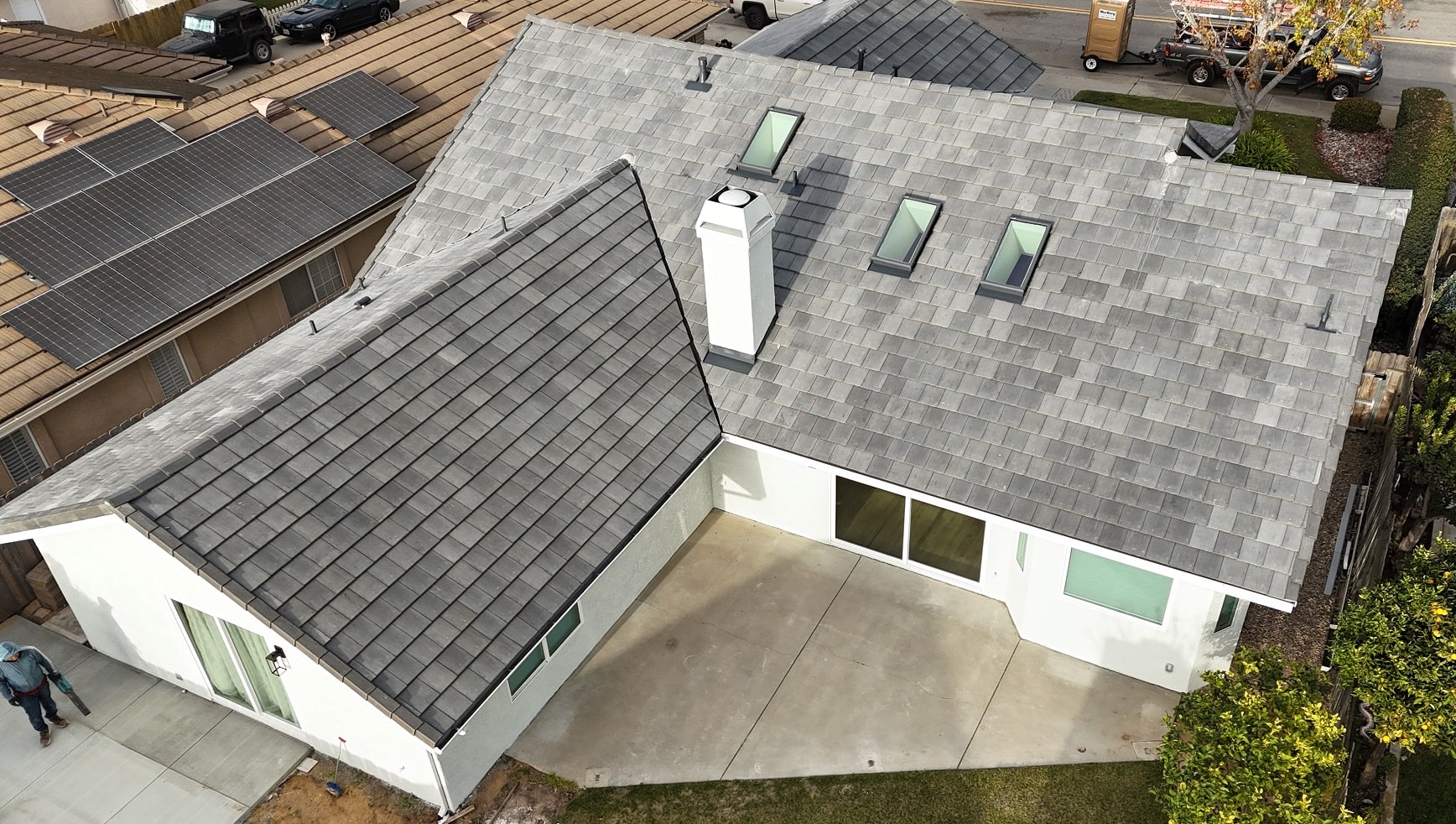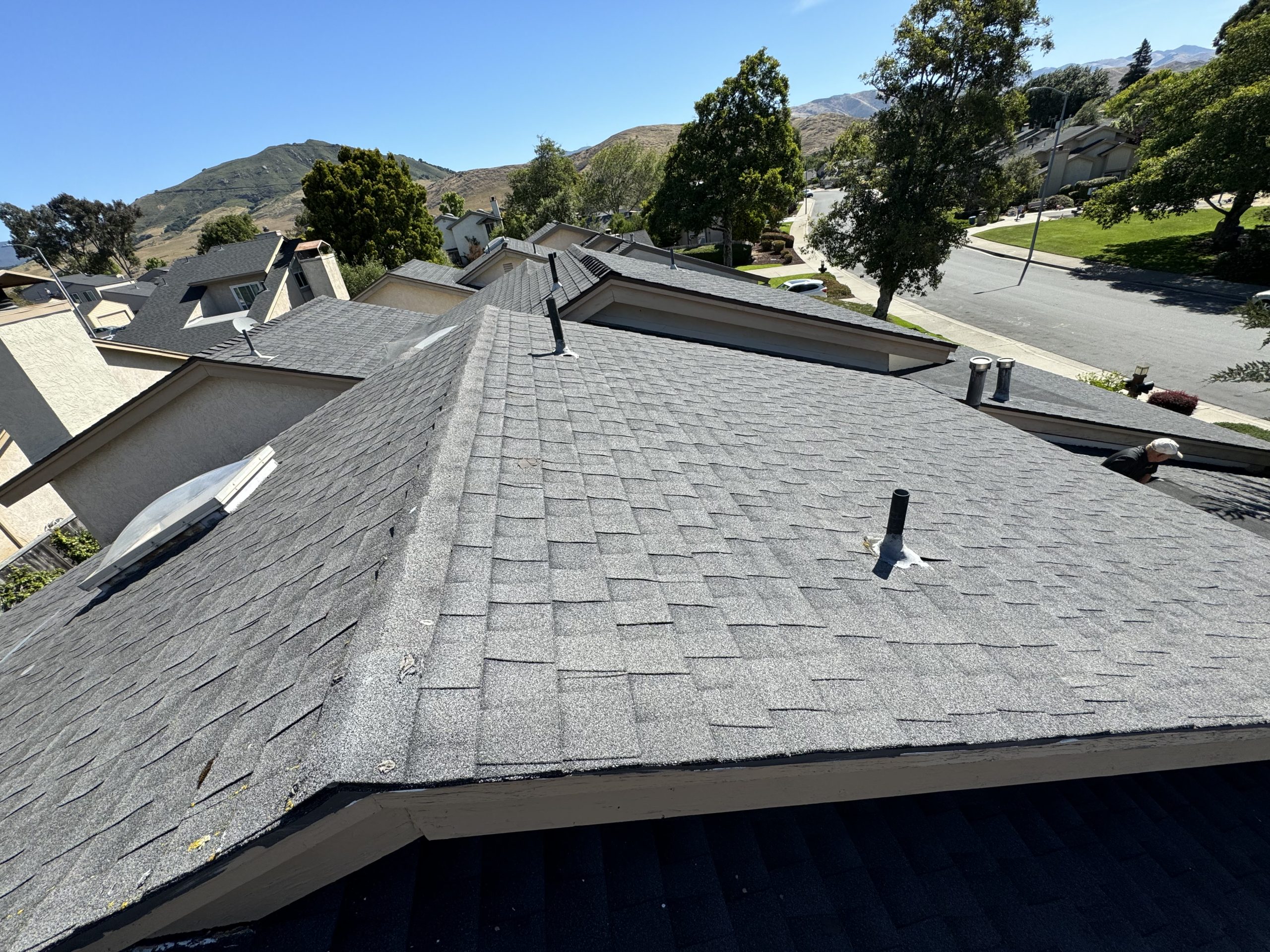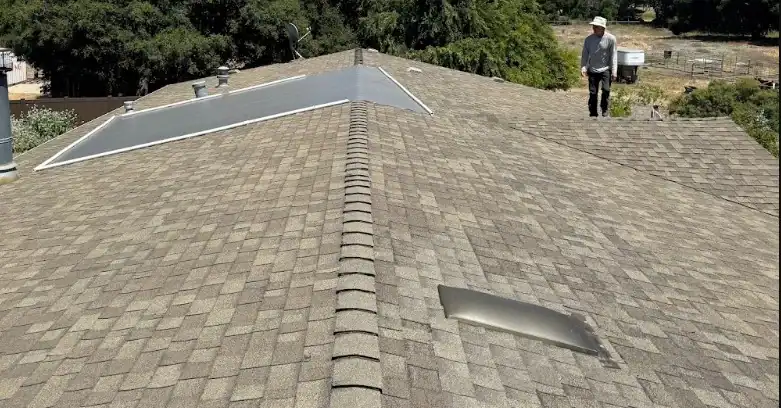
Choosing Shingle Roofing Maintenance in Santa Maria California?
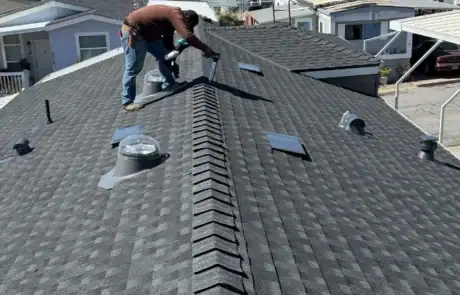
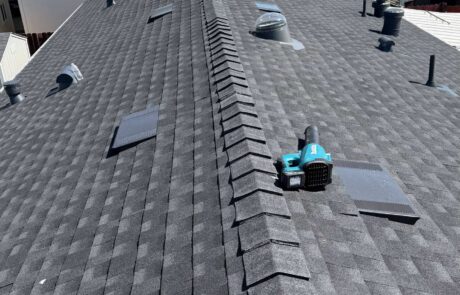
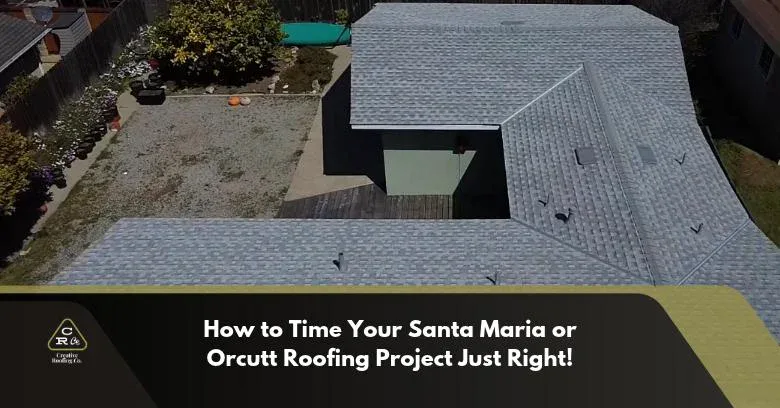
Creative Roofing lays asphalt, architectural and designer shingles over carefully prepared decks, for homes in Santa Maria California and the towns around it.
Call 805-723-2381 and ask about a shingle roof for your house.
What a Shingle Roof Is Made Of
Behind the familiar look is a layered construction, and the mat gives the piece its strength. Without a surface of mineral granules, the asphalt beneath would dry and crack in a short time, and bare patches show up as dark spots.
Basic, Laminated and Premium
A three-tab shingle has a flat, uniform look and the thinnest profile of any common type, and it remains a reasonable choice in some situations. Most new roofs on houses today use architectural shingles, which look richer and resist wind better, and colors come in a wide range. Premium and luxury lines go further, with thicker laminates, deeper shadow lines and designer shapes, and it is easy to overlook.
How California Weather Wears a Shingle
The sun does more to age a shingle roof in this region than any other force, and the effects are visible on the south and west slopes first. Curling, cracking and blistering are the typical signs of a shingle that has had too much heat, so they deserve attention before the rainy season.
Picking a Shade That Works in the Sun
Shingles in dark shades absorb more heat, and they can run noticeably hotter on a summer afternoon, and a sample held up outdoors shows the shade truthfully. Reflective granules can bring a dark color closer to the performance of a light one, and the difference is most noticeable in the hottest months.
Installation Details That Decide Longevity
Shingles are fastened with nails placed in a specific spot, and a few inches either way changes how well they hold, and it is easy to overlook. The row at the eave is the most exposed to wind and water, which is why it gets special treatment, and that is worth keeping in mind. A properly installed ridge looks neat and stays tight against the weather, and it pays to think it through.
Holding Down Under Pressure
Heat from the sun is what finishes the job on a new roof, and the nails hold the rest. Strong seasonal winds can lift tabs that have lost their seal and tear them off the roof, so a loose shingle should not wait for the next storm.
Balanced Intake and Exhaust
Poor ventilation is one of the quietest causes of early shingle failure, and it is easy to overlook. Adding insulation without maintaining airflow can make an attic hotter in summer, and that is worth keeping in mind.
Valleys, Walls and Pipes
Self-adhering membranes at the eaves and valleys give extra protection where leaks start, and it matters most when the roof is open to weather. Valley flashing has to be formed correctly and sealed well, or water finds a way in, and a little care goes a long way.
Signs of Wear and Choosing Repair or Replacement
Cracks, missing pieces and exposed nails are all signals worth acting on, so take the whole picture into account. Repairing a small area costs far less than a full replacement when the surrounding roof is sound, and the savings can be substantial. When the whole roof is brittle, curling and shedding granules, repairs become a losing game, and that is worth keeping in mind.
The Deck Decides What Happens Next
Down to bare wood is how a careful crew starts, because new shingles are only as sound as the surface they are nailed to, and it pays to think it through. Overlaying is a shortcut that a careful roofer will explain before agreeing to it, so ask for both options in writing. Agreeing on how replacement boards are measured and charged prevents a dispute halfway through the job, and the details are worth a closer look.
Debris, Magnets and Final Sweeps
A shingle tear-off throws old material in every direction, so a careful crew covers plants, vents and the ground before the first piece comes off, and it is easy to overlook. A professional crew checks the ground more than once, including the gutters, where granules and nails often collect, so walk the yard with the foreman at the end. Letting grit and leaves pile up in a gutter can lead to overflow along the fascia and the foundation, and it costs little to keep them clear.
Timing a Shingle Replacement
A roof installed in warm weather bonds sooner than one finished in cool, damp conditions, and that early bond helps in wind, and the busiest months fill up quickly. Heat is a normal part of summer roofing, and a good crew plans the day around it rather than fighting it, and the details are worth a closer look.
Working Around Things That Share the Roof
Skylights and chimneys are best flashed with new metal whenever the shingles are replaced, since reusing old pieces under a new roof invites a leak, and mention any plans to add more later. Replacing a roof beneath an existing array is a coordination job involving the roofer and the solar company, and that is worth keeping in mind.
Why a Patch Rarely Matches Perfectly
Older shingles lose color and granules in the sun, so a few fresh ones will stand out until the surrounding roof catches up, so ask the roofer what to expect.
Gutters, Drip Edge and the Roofline
Metal edging installed under the underlayment at the eave and over it at the rake is the correct order, and it makes a visible difference to the durability of the edge, and old fascia boards are easy to replace while the roof is open.
What to Look for in Writing
A proposal that only says new shingles leaves out the details that matter, and read them slowly. Ask how many layers of old roofing will be removed and how the deck will be inspected, and the answers are worth writing down.
Next Steps for Your Roof
People researching Shingle Roofing Maintenance in Santa Maria California are welcome to call with questions, and 805-723-2381 reaches someone who can help. Calling before a problem becomes urgent makes it easier to compare materials and schedules, and we are glad to help you sort it out.
Verified

Verified
Verified
Verified
Verified