
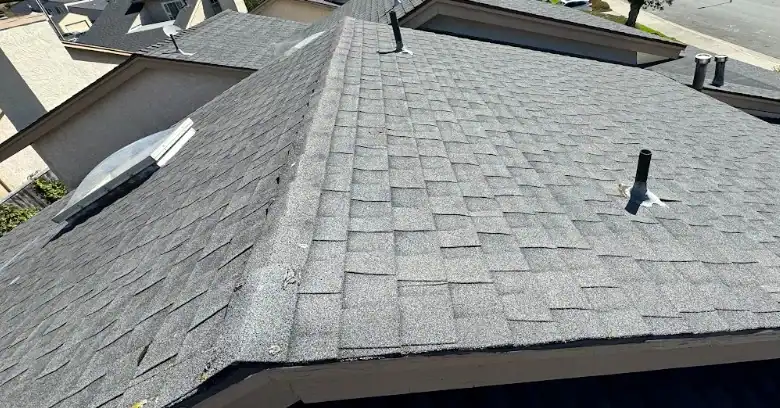
Choosing Shingle Roof Maintenance Around Central Coast California?
Creative Roofing works with layered shingles, starter strips, underlayment and ridge caps, serving homeowners in Central Coast California and beyond.
Phone 805-723-2381 and describe the roof you are weighing.
What a Shingle Roof Is Made Of
Most roofs on houses here wear shingles built from a glass-fiber core with an asphalt skin, and each part has a job to do. Granule loss is the clearest sign that a shingle is wearing out, so a handful of grit in a downspout tells a story.
How Shingle Lines Differ
A three-tab shingle has a flat, uniform look and the thinnest profile of any common type, and the saving is real but so is the shorter life. Most new roofs on houses today use architectural shingles, which look richer and resist wind better, and colors come in a wide range. Higher grades cost more, and the look is the main reason to pay for them, so the roof feels more substantial.
Heat Is the Slow Enemy
Long dry summers bake a shingle roof for months with very little relief from rain, and the effects are visible on the south and west slopes first. Curling, cracking and blistering are the typical signs of a shingle that has had too much heat, and each one is a place a leak can start.
Light Versus Dark
Shingles in dark shades absorb more heat, and they can run noticeably hotter on a summer afternoon, and nearby roofs offer a useful preview. Special coatings on the granules help send solar heat away from the house, and the actual benefit depends on the house.
Nails, Courses and Starter Strips
The nailing line printed on the shingle marks where fasteners must go for the best grip, and overdriven nails cut the mat and create weak spots. Offsetting the seams from row to row keeps leaks from lining up, and crooked rows are a warning. Hips and ridges are capped with special pieces that bend over the peak and seal the top of the roof, and replacing a ridge is simple when done in time.
Wind, Seasonal Gusts and Sealing
Heat from the sun is what finishes the job on a new roof, and checking for lifted tabs after a windy spell is a good habit. Pieces that blow off expose the underlayment, which is not meant to sit in the sun, and a pattern of lifting suggests the roof is aging.
Attic Ventilation and Shingle Life
Heat that cannot escape from the attic speeds the aging of the roof deck and the shingles, and ridge vents work well with soffit intake. Attic fans, gable vents and ridge vents each work differently and should not fight each other, so ask what will be done about ventilation.
Valleys, Walls and Pipes
The shingles shed most of the water, but the underlayment handles the rest, and the choice affects how the roof performs. Every pipe and vent through the deck needs a boot or collar that is sealed and replaced with the roof, and a little care goes a long way.
Reading the Roof
A roof that sheds grit, lifts at the edges and shows dark patches is reaching the end of its life, so take the whole picture into account. Repairing a small area costs far less than a full replacement when the surrounding roof is sound, and a good roofer will tell you when a repair is enough. When the whole roof is brittle, curling and shedding granules, repairs become a losing game, so plan the project before the leaks begin.
Stripping Down Before Building Up
Removing every old layer is the usual starting point, since it exposes the deck and shows whether anything underneath needs repair, and the bare deck is also the moment to check ventilation openings. Overlaying is a shortcut that a careful roofer will explain before agreeing to it, and the savings are usually smaller than they seem. Sheathing that crumbles or feels spongy underfoot must be replaced before shingles can hold, and the details are worth a closer look.
Cleanup, Nails and Protecting the Property
Protecting the house is part of the work, not an extra, and the plan should say how landscaping and windows will be shielded, and a little preparation prevents most complaints. Tires and bare feet find stray nails more often than anyone expects, so a thorough pickup at the end is essential, and that is worth keeping in mind. A new shingle roof sheds a little loose grit in its first months, and some of it ends up in the gutters, so make it part of the routine.
Planning Around Rain and Heat
Most replacements here are scheduled for the long dry season, which gives the roof time to settle before the first winter storm, and a little care goes a long way. Very hot afternoons can scuff new shingles underfoot and make nails harder to drive cleanly, so many crews start at dawn in midsummer, and patience pays off in the finished roof.
Rooftop Additions and Shingle Work
A re-roof is the right moment to replace worn skylight curbs, chimney flashing and cracked sealant, before they cause trouble, and mention any plans to add more later. Ideally the roof is renewed before panels are installed, so that the new system is not removed again within a few seasons, and get the plan in writing.
Color, Fade and Repair Work
New shingles set into a sun-faded roof usually look a shade darker or brighter, and the contrast softens only after a season or two of weather, and place the repair where it is least visible.
Carrying Water Away From the House
Without proper edging, rain can wick behind the shingles and attack the sheathing and fascia board over the following seasons, and ask the roofer to flag any rot.
Questions for a Shingle Roofer
The written scope should list tear-off, deck repair, ventilation and cleanup, and the details are worth a closer look. Ask about the schedule and how the roof will be covered if rain is forecast, and the answers are worth writing down.
Ready to Compare Options
Homeowners weighing Shingle Roof Maintenance in Central Coast California can begin by describing the house and the look they want, and the number is 805-723-2381. There is no pressure in asking about a new roof, and the first step is just a phone call.






















