
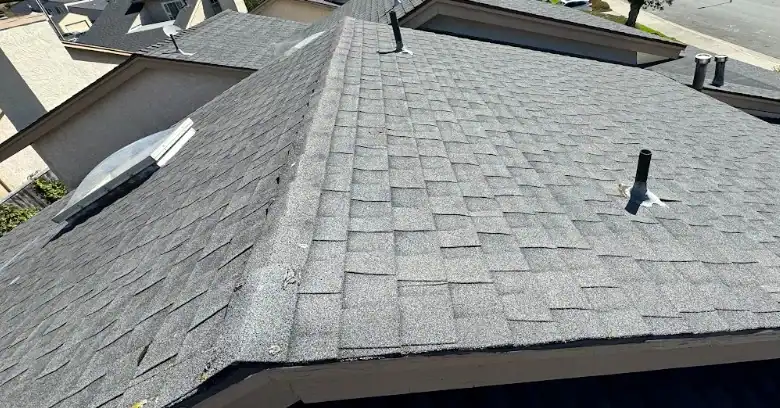
Shopping for Shingle Roof Repair in Santa Barbara California?
Creative Roofing installs and repairs the shingle coverings found on most houses in the area, across Santa Barbara California and nearby.
Reach us at 805-723-2381 to talk through shingle styles and what suits the home.
The Anatomy of an Asphalt Shingle
Behind the familiar look is a layered construction, and the granules protect the asphalt from the sun. A shingle that has lost its granules is losing its sunscreen, and the process only gets faster over time.
Three-Tab, Architectural and Designer Lines
A three-tab shingle has a flat, uniform look and the thinnest profile of any common type, and a little care goes a long way. Dimensional shingles imitate the look of shake or slate at a modest cost, so there is something for most houses. The top of the range offers the richest textures and the greatest thickness, so the roof feels more substantial.
Sun, Heat and Aging
Heat, ultraviolet light and temperature swings wear the surface steadily, so those slopes make a useful gauge of overall condition. Edges that lift, corners that curl and surfaces that crack all point to age, and photographs make a useful record.
Color Choices for a Sunny Climate
Shingles in dark shades absorb more heat, and they can run noticeably hotter on a summer afternoon, and a sample held up outdoors shows the shade truthfully. A reflective product can ease the burden on air conditioning, so ask for the product details and the rating.
Fastening Patterns and Why They Matter
The nailing line printed on the shingle marks where fasteners must go for the best grip, so ask how many nails go into each shingle. Offsetting the seams from row to row keeps leaks from lining up, and a straight line of shingles is a sign of care. Ridge caps finish the roof where two slopes meet and shed water over the crest, so the details at the top deserve attention.
Seal Strips and Warm Weather
Shingles have a strip of adhesive that bonds each course to the one below once the sun warms it, and checking for lifted tabs after a windy spell is a good habit. Pieces that blow off expose the underlayment, which is not meant to sit in the sun, and a pattern of lifting suggests the roof is aging.
Keeping the Attic Breathing
Heat that cannot escape from the attic speeds the aging of the roof deck and the shingles, so check that the soffit openings are not blocked by insulation. Blocking the soffit vents with insulation is a common mistake that undermines the whole system, and fixing ventilation is far easier during a re-roof.
Valleys, Walls and Pipes
Felt paper or synthetic sheets cover the deck and give a second line of defense, and it pays to think it through. Chimneys, walls and skylights need step flashing and counterflashing worked into the shingle courses, and a careful crew takes extra time at the details.
Spotting Trouble Early
Look for lines of shadow where shingles have lifted and for stains inside the house, and early action keeps choices open. Spot repairs are a good choice when most of the roof still has plenty of life left, so ask for photographs of the problem areas. Replacement is the sensible answer once the field of shingles has lost its protective surface, and a full replacement gives a fresh start.
What Lies Under the Existing Roof
Old shingles come off in sections and go straight into a bin, leaving a clean deck ready for the next step, so the plan should allow for repairs to the wood. Putting a second layer on a tired roof can trap heat and moisture between the layers and shorten the life of both, so ask for both options in writing. Damaged decking is the most common surprise on a roofing job, and a good proposal says how it will be handled, so ask how surprises will be handled.
Debris, Magnets and Final Sweeps
The first hour on site is spent setting up protection, and that time is well spent, and it is easy to overlook. Nails are the main hazard left behind after any roofing job, and a magnetic sweep of the yard and driveway is standard practice, so walk the yard with the foreman at the end. Checking the gutters after the first big rain is a good habit, and it takes only a few minutes, and it costs little to keep them clear.
Dry Months and Warm Days
Asphalt shingles seal themselves down with heat from the sun, so warm, dry days produce the best bond and the neatest finish, so booking ahead is wise. Shade, water and early starts are the usual ways of coping with the heat on a dark roof, so an early arrival is nothing to worry about.
Openings, Brackets and Penetrations
Roofers work around fixed obstacles all the time, but each one adds time and adds a place where water might enter, and a thorough roofer will count them. Ideally the roof is renewed before panels are installed, so that the new system is not removed again within a few seasons, so ask both contractors how they would proceed.
Matching Shingles After a Repair
Manufacturers change colors and blends over time, so an exact match for a discontinued shingle may simply not exist anymore, and a small color difference is not a defect.
Protecting the Fascia and the Foundation
Shingles should overhang the drip edge by a small, consistent amount so that water drops cleanly into the gutter instead of curling back under, and fixing it now costs less than later.
Questions for a Shingle Roofer
A good proposal names the shingle line, the color, the underlayment and the flashing materials, and a thorough contractor will be happy to explain. Check what happens if damaged sheathing is found once the old roof is off, and compare the replies from each company.
Talk to Us About a Shingle Roof
Anyone sorting out Shingle Roof Repair in Santa Barbara California is one call away from a straight answer, so dial 805-723-2381 when it suits you. Planning ahead usually leads to better choices than reacting to an emergency, and the roof will tell the story once someone looks.
Verified

Verified
Verified
Verified
Verified






















