
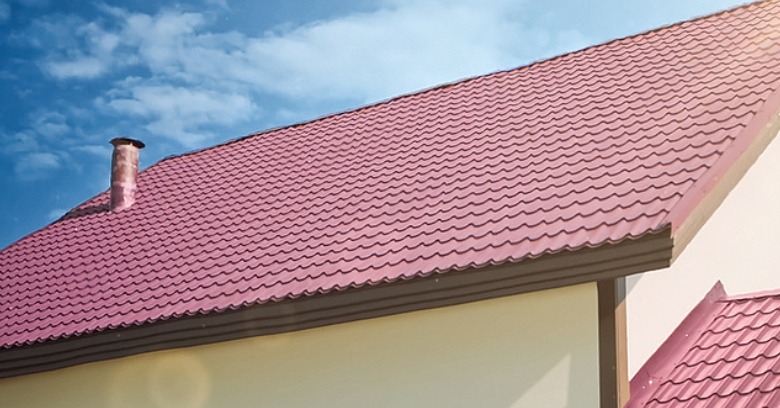
Considering Metal Roofing Installation for a Home in Orcutt California?
Creative Roofing handles metal roofing for houses, porches, garages and outbuildings, for homes in Orcutt California and the towns around it.
Dial 805-723-2381 to set up a visit to look at the roof.
The Basics of a Metal Covering
A metal roof is a system of formed panels, fasteners, trim and underlayment that works together, and the choices interact with one another. Coatings with a painted finish protect the metal and set the color, and your roofer can compare them for you.
Panel Styles You Will Hear About
Concealed clips hold standing seam panels without putting screws through the surface, so the seams can be long and unbroken. Exposed-fastener metal is the traditional barn and shed style and is also used on homes, and many owners are happy with the trade-off. Stone-coated steel panels have a granular finish fused to a formed steel base, and the finish should be checked for color match and wear.
Color, Coatings and Reflectivity
Months of ultraviolet light fade finishes that are not made to resist it, and chalking or fading is the sign that a coating is giving up. Special pigments can keep even a dark color cooler than ordinary paint, and ventilation underneath still matters.
Expansion, Clips and Fasteners
Temperature changes make panels grow and shrink along their length, and good detailing allows for it. A washer that has gone brittle no longer seals the hole, and neglect is what lets small leaks start.
Holding Metal Down in the Wind
Uplift is the force that matters on a lightweight covering, so trim should be fastened to a proper pattern. A well-finished ridge looks tidy and stays weathertight, so ask about them in the proposal.
Fire, Embers and Metal
A metal covering does not burn, so it avoids one of the main ways a roof can catch fire, and local rules may specify what is accepted. Embers can enter through gaps, so tight details are important, and a metal roof makes the job easier.
The Real Story on Metal Roof Noise
A metal roof over a solid deck, underlayment and attic insulation is much quieter than people expect, and you can ask to hear a sample on site. Attic comfort is a matter of ventilation, insulation and surface working together, so ask the installer to describe the plan.
The Steps Behind the Surface
The deck beneath a metal roof must be sound, smooth and securely fastened, and not every underlayment suits a metal roof. Flashing around chimneys, skylights, walls and pipes is custom bent from the same type of metal, and it pays to think it through. Panels are cut to length, hemmed at the ends and fastened in a set order that keeps them straight, and a little care goes a long way.
Caring for Metal Over Time
Yearly attention to fasteners, seams and trim keeps a metal roof sound, and clear leaves from valleys and gutters. Dissimilar metals can cause corrosion when they touch in the presence of moisture, and the roofer should know the rules.
Handling a Sudden Downpour
Water runs off a metal panel quickly, which puts a lot of flow into valleys and gutters, and that is worth keeping in mind. A system that ignores the speed of runoff will overflow, and it pays to think it through.
Metal Over an Existing Roof
Some metal systems are designed for installation over old shingles, while others are not, and a little care goes a long way. Tearing off the old roof allows the deck to be inspected and repaired, and a good roofer explains both options.
What the Roof Angle Allows
Exposed-fastener panels generally need a steeper slope than standing seam, and using a panel below its minimum invites leaks. Changes in pitch call for careful transitions and flashing, so ask to see examples.
What Owners Say Matters Most
A well-installed metal roof can outlast several rounds of shingles on the same house, so the whole system deserves attention. Homebuyers often view a metal roof as a selling point, especially in areas with wildfire concern, and a little care goes a long way.
Avoiding Trouble Before It Starts
Noise from movement usually means the panels were pinned down where they should have been free to slide, and it is far easier to prevent than to repair. Scratches that go through the paint start corrosion in the metal below, so keep the repair paint on hand.
Getting Specific About the System
Vague wording about metal roofing leaves too much to chance, and a thorough contractor will welcome the questions. A contractor with experience can explain problems before they happen, and it pays to think it through.
What the Coating Is Made Of
Most residential panels carry a factory-applied finish that is cured onto the metal in a controlled process, so ask what finish is on the panels. Most people choose a color that complements the house and the surroundings, so view the sample at different hours. Neighborhood rules and local fire safety requirements can limit what colors and materials are allowed, so make it part of the early conversation.
Gutters, Trim and the Finishing Touches
Water coming off a smooth panel needs a proper drip edge to carry it into the gutter instead of behind it, so ask how the edges will be finished. Leaf and debris protection over the gutters is a real consideration on a metal roof in a dry, tree-lined area, so schedule a check at the end of summer.
Lead Times and Custom-Formed Panels
Many metal panels are formed to the exact length of each roof plane, so the job begins with careful measuring rather than a quick order from stock, and ask for an honest estimate of the wait.
Next Steps for Your Roof
Anyone sorting out Metal Roofing Installation in Orcutt California is one call away from a straight answer, so use 805-723-2381 to set up the next step. Even a quick call can clear up questions about panels, finishes and timing, and the first step is just a phone call.
Verified

Verified
Verified
Verified
Verified






















