Thinking Through Aluminum Gutters for Morro Bay California Houses?
Creative Roofing looks at where rain goes after it leaves the roof and how to keep it from doing harm, in Morro Bay California and the neighborhoods around it.
Dial 805-723-2381 and describe what you see when it rains.
The Path of Rain From Roof to Ground
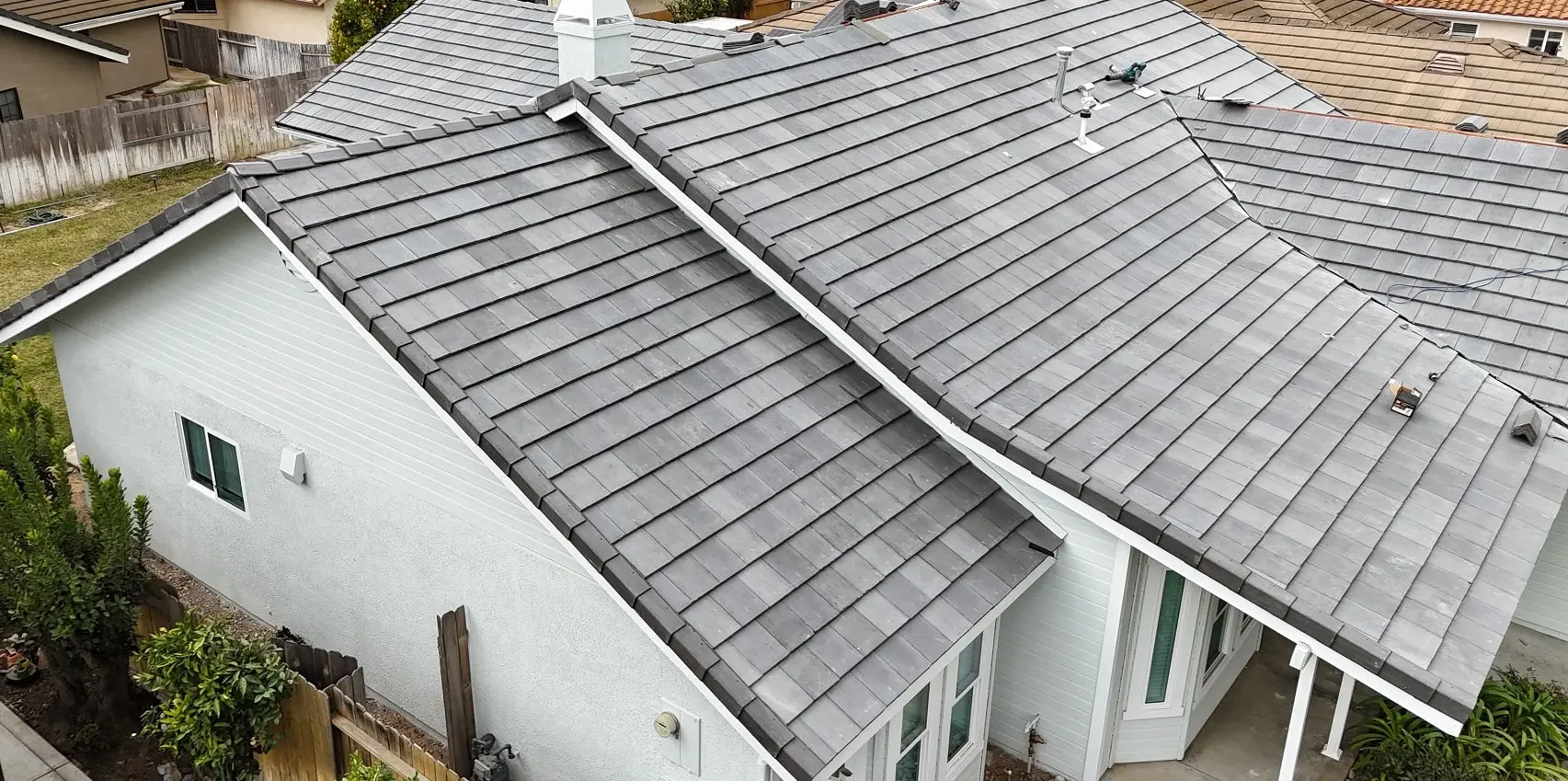
Rain falling on a roof does not disappear: it runs down the slope and off the edge, so the edge of the roof is where the water plan begins. Downspouts end at the ground or at a drain line, and the end point is the part many people forget, and the layout depends on the shape of the roof. A system is only as good as its slowest link, and the slowest link is usually a clog, which makes the roofline worth a regular glance.
Why a House Needs Gutters at All
A wall that stays dry holds its paint longer and resists staining and rot, and a dry perimeter is a good sign. The reward for a working system is the absence of stains, puddles and soft ground, and the whole property benefits. Keeping the water several feet away is one of the simplest ways to protect a foundation, and damp soil is a warning not to ignore.
How the Local Climate Loads Your Gutters
The first big storm after a dry summer tests gutters harder than a steady rain would, and a pre-season check is the most useful one of the year. A yard with several trees can feed a gutter from every direction, which is why local conditions matter. Heavy fog drip and dry-season dust both leave their mark on a gutter, and you will soon learn which weeks are heaviest.
Clearing the Troughs and Downspouts
Once a trough fills with debris it stops moving water and starts holding it against the house, and a clogged gutter is a problem on its own and a cause of other problems. Cleaning means removing debris from the trough, flushing the downspouts and checking that water flows to the outlet, so cleaning also serves as an inspection. Schedules differ from house to house, and shade trees or none make a large difference, and gloves are not optional. Safety on a ladder deserves respect, since gutter work is a common source of falls, which keeps the job short and safe.
Dry Leaves Near the Roofline
Brittle debris in a trough is the sort of fuel that wind-borne embers can catch, so add it to the list of seasonal tasks. Any cover needs to be checked and brushed clear, because a covered gutter can clog from the top, so combine covers with routine checks.
Choosing a System for the House
Sectional gutters arrive in short pieces that are joined on site, which is simple but adds seams, and the downspouts matter as much as the trough. Custom bends and corners are possible, though each one adds a joint that has to stay sealed, and big roofs reward a bigger system. Aluminum is light and does not rust, and steel is strong but needs a protective finish, and a sample held up to the house helps.
Slope, Hangers and Downspouts
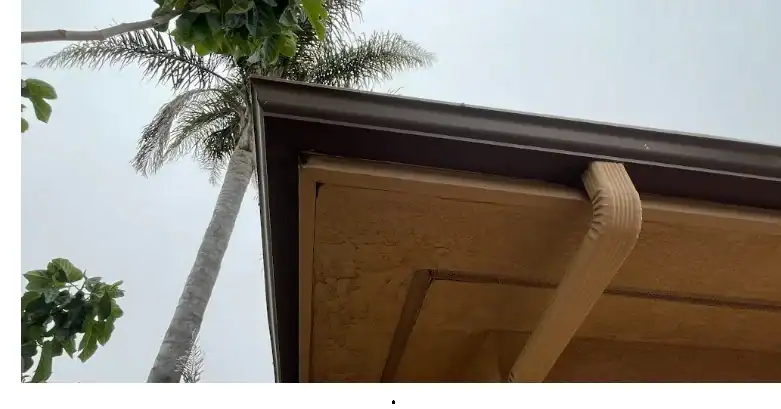
Hangers support the trough at regular intervals, and wider spacing leaves the gutter sagging between them, and uneven spacing is a common reason for failure. Pooling water in a flat trough leaves marks inside the gutter that show where the slope fails, and the marks tell the story. Flashing at the roof edge guides water into the trough instead of behind it, and a missing piece can send water behind the trough.
Where the Pipe Ends Matters
What the downspout does at ground level matters as much as what the gutter does at the roof, and the end point is easy to change. The best discharge point is a place where water can disperse harmlessly, and the soil should be able to take it. Rain barrels and rain gardens capture runoff for use in dry months, and local rules sometimes limit how they are used, and a bit of planning pays off over time. Permeable pavers allow rain to soak through patios and walks instead of running off, and the overflow should have a clear path.
Warning Signs You Can Spot From the Yard
Dark streaks on the siding below the trough and stains on the fascia are marks of past overflows, and early notice keeps the repair small. Water running behind the gutter shows up as a dark line on the fascia and eventually as soft wood, which is the most common cause of overflow. Careful observation during a storm shows what a dry inspection cannot, so a pencil and a few minutes pay off. Trouble below the gutter line, such as stained siding, usually traces back to the gutter above, and the roofer can inspect both the roof and the trough in one visit.
Deciding What the Gutters Need
Adding downspouts or switching to a larger trough can solve overflow problems on a big or steep roof, and a roofer can point out the reasons. Fascia boards that crumble when pressed with a screwdriver need replacement before new gutters go up, and fresh wood gives the hardware something to grip. Paint or touch-up on bare metal slows rust before it spreads, and sound material deserves to stay. Ask about updating the whole edge so the roof and the gutters are designed to work together, and the result is often neater and more reliable.
Start With a Conversation
Working out Aluminum Gutters in Morro Bay California is easier when someone can see how the water moves around the property, so dial 805-723-2381 to get started. Describe the rain and the way the water behaves, and the first conversation is easy, and nobody will pressure you. The water will go somewhere, and the only choice is whether you pick the place, and the answer can be as simple as a short extension. Gutter trouble rarely stays in the gutter, and it spreads to fascia, siding and soil if ignored, which is why one repair rarely tells the whole story. Drainage is part of the roof, and it deserves the same attention as the surface, and the roof benefits as well.
Verified

Verified
Verified
Verified
Verified