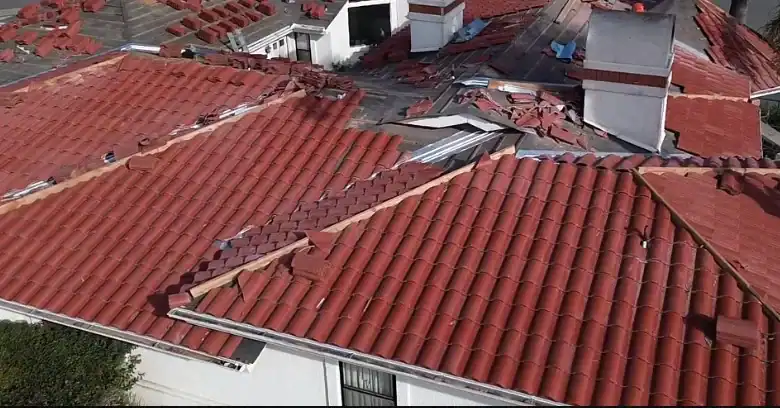
Considering Tile Roofing Services Around San Luis Obispo California?
Creative Roofing works with clay and concrete roofing units, from a single cracked piece to a full re-lay, from San Luis Obispo California out to the surrounding area.
Dial 805-723-2381 to set up a visit to look at your roof.
Clay and Concrete Units in Plain Terms
Clay and concrete units are individual pieces hung on a roof, overlapping like fish scales to shed water, and the real waterproofing sits underneath. Both materials resist fire, which has made them popular where wildfire is a concern, and the style often follows the architecture of the house.
Load and Support
A concrete or clay roof weighs several times more than a shingle roof, so the framing has to be up to the load, and an engineer may be involved in a conversion. A house that was built for shingles may not be safe under a full load of concrete, and a careful contractor raises the issue unprompted.
Why Leaks Start Below the Surface
Water gets under the pieces during wind-driven rain, and the underlayment carries it down and out, and it is easy to overlook. Replacing the underlayment when the units are removed gives the roof a fresh start, and that is worth keeping in mind.
Why Tile Suits Hot Weather
The heavy mass of the pieces absorbs heat during the day and releases it slowly at night, and it pays to think it through. Efflorescence, a white powdery bloom, can show on concrete units and is mostly cosmetic, and surface cleaning is far cheaper than replacement.
What Goes Wrong on the Surface
Broken pieces are the most common problem on a roof of this kind, and they usually come from foot traffic, and replacing a broken piece is a quick job. Roofers who work on fragile coverings place their feet on the lower part of the unit where it is supported, so ask for a check after other work is done.
Edges and Intersections
Details where the pieces meet something else are the places most likely to leak, so look at how the work is finished. The cap line at the top of the roof is one of its most exposed areas, and it pays to think it through.
Seasonal Gusts and Embers
The method of attachment depends on the slope, the wind exposure and the local rules, and local rules in windy areas may require specific fastening. Keeping the roof and gutters clear of leaves and needles is part of staying safe, so ask how gaps will be kept closed.
Options for a Tired Roof
Many of these roofs are restored two or three times over the life of the building, so ask for an assessment of the underlayment. Spalling concrete, crumbling clay and widespread cracks are signs that the surface is at its end, and the structure should be reviewed first.
Mortar, Foam and Dry-Set Methods
Each fastening method has strengths, and the choice depends on the slope, the wind exposure and the local rules, and the best answer is specific to your roof. The openings along the bottom edge of a profiled roof need a closure strip, or they become a doorway for pests and debris, so these small parts deserve attention.
Moss, Stains and Keeping the Surface Clean
Cleaning should be done carefully by someone who knows the material, since walking on the roof is a risk to the units themselves, and the result can be striking. Pressure washers can strip the coating from concrete units and force water under the overlaps, so they are best avoided or used with great care, and it is easy to overlook.
Underlayment Choices and Upgrades
Heavy felt, synthetic sheets and self-adhering membranes are the common options, and they differ in heat resistance and tear strength, and that is worth keeping in mind. Counter-battens add further airflow and reduce heat transfer into the attic, and it adds only modestly to the cost.
Rooftop Additions on a Roof of Many Pieces
Special hooks and flashing kits exist for these roofs, and an installer who uses them keeps the surface watertight, and a little care goes a long way. Service technicians for air conditioning and chimney sweeps should be told to step only where the roof can bear a person, and the details are worth a closer look. Valleys and low points on a roof of this kind carry the heaviest flow in a downpour, and the units along their edges are cut to fit and sealed with care, and it is easy to overlook.
Weighing Clay Against Concrete
Between the two, concrete is usually the more economical, while clay is prized for its authentic look and its long record of service, and that is worth keeping in mind. Flat profiles give a contemporary look and are often used on modern houses, while barrel shapes suit traditional architecture, and take your time with the choice.
How to Weigh Two Bids
The written scope should say whether the existing units will be reused and who will supply replacements, and a clear proposal reflects a careful crew. Ask how the structure will be checked and what happens if damage is found, and a confident contractor will welcome them.
From Lifting the Units to Setting Them Back
Each section of the roof is stripped down to the underlayment, repaired and covered with fresh waterproofing before the units go back, and the crew has to be careful with every piece.
Preparing for Dry Winds and Embers
Pieces that are cracked or slipped leave gaps, and in a region with wildfire season, gaps are where embers find a way into the roof, and a roofer can check them quickly.
Records, Photographs and Spare Pieces
After a re-lay or a repair, keep the photographs, the proposal and a few spare units stored somewhere safe, because color and profile matching gets harder with time, and it costs almost nothing to keep them.
Next Steps for Your Roof
People researching Tile Roofing Services in San Luis Obispo California are welcome to call with questions, and the number is 805-723-2381. Planning ahead usually leads to better choices than reacting to an emergency, so reach out whenever you are ready.
Verified

Verified
Verified
Verified