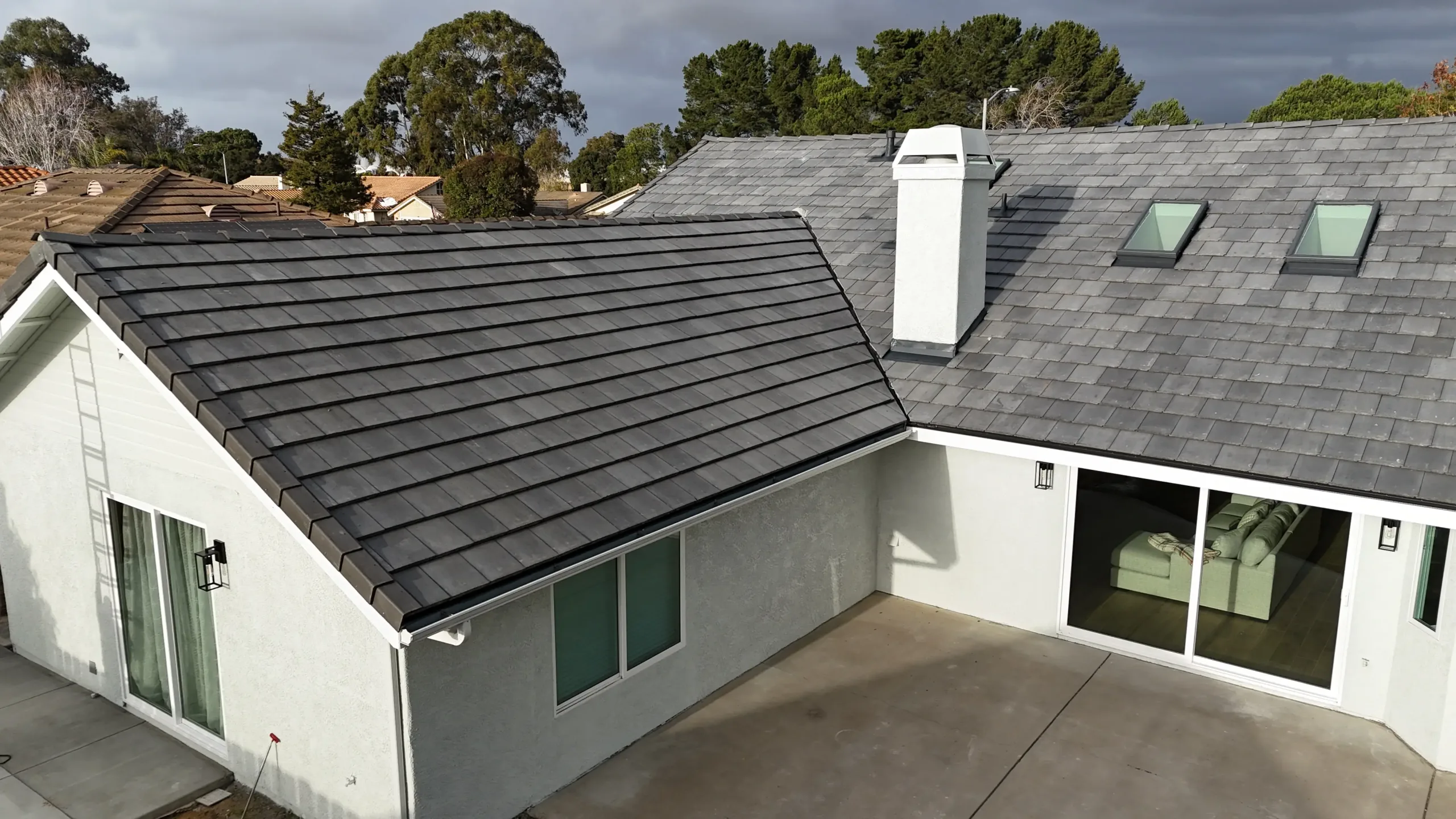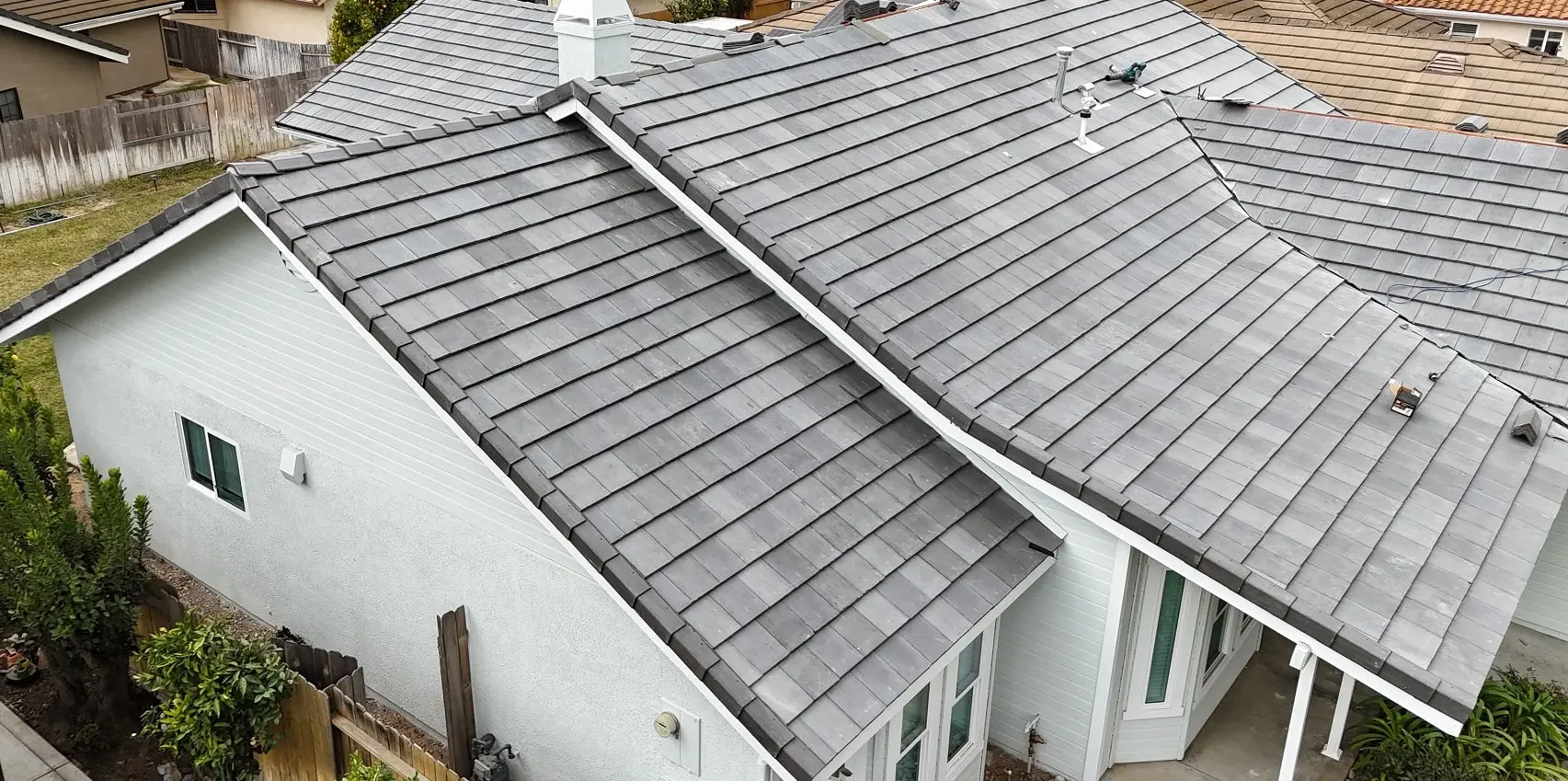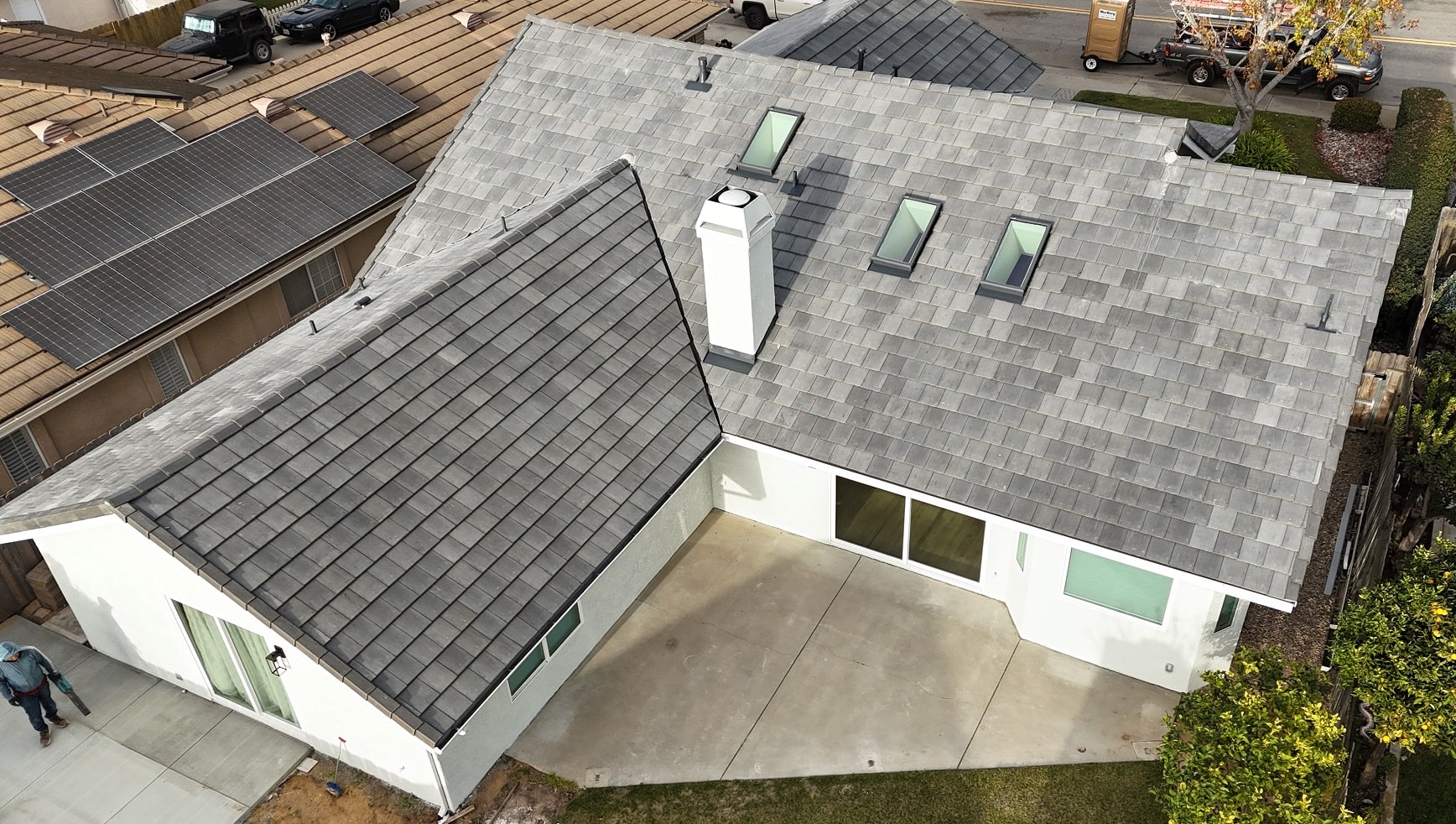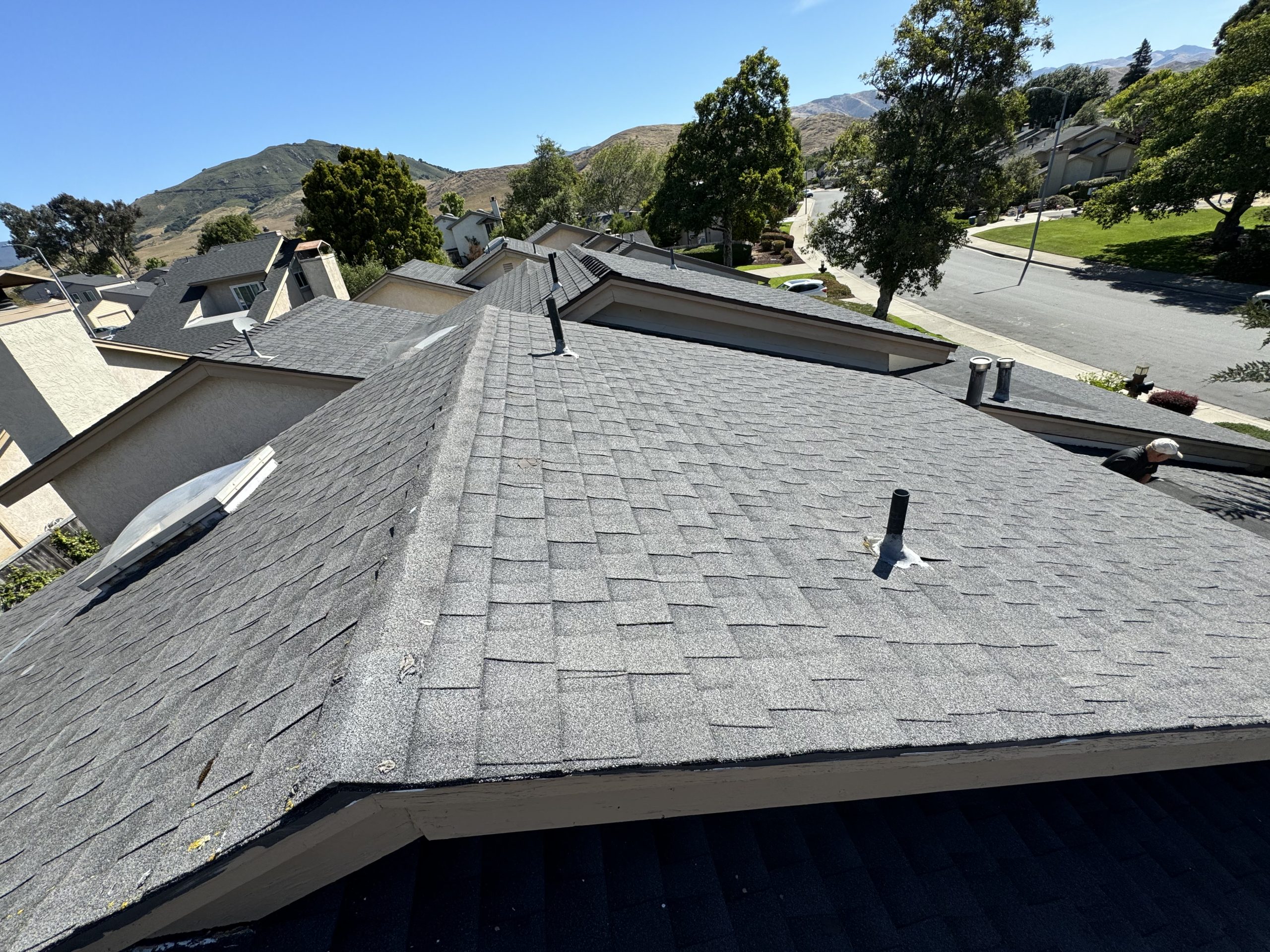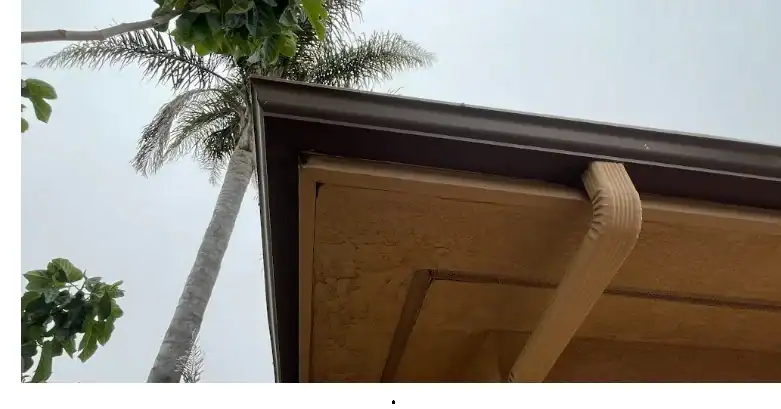
Protecting a House With Gutter Cleaning Services Close to Lompoc California?
Creative Roofing explains how gutters, downspouts and drainage work together to protect a house, wherever your house stands near Lompoc California.
Dial 805-723-2381 to talk about where the rain goes at your house.
The Path of Rain From Roof to Ground
Every drop that hits the roof ends up at the eave, where gutters either catch it or let it fall, and a drainage plan decides whether that is a problem. Without a gutter, rain falls in a line along the eave and digs a trench in the soil below, so the goal is to move water, not just to catch it. Each of the pieces has to be sized and set to carry the flow of the one before it, and that is when the repair bill gets larger.
The Jobs a Gutter System Performs
A dry perimeter starts with gutters that carry runoff clear of walls, openings and trim, and a dry perimeter is a good sign. Painted trim lasts longer when it is not wet every time it rains, which is easy to appreciate after the first storm. Crawlspaces and basements are most at risk when runoff is allowed to collect close to the walls, and downspout extensions do that job well.
Needles, Leaves and the Dry-Summer Pile-Up
Local rain comes in concentrated seasons, and gutters have to be ready for the first downpour, and clogged troughs overflow when the water is heaviest. Seeds and blossoms add to the mix in spring, and leaves arrive when the trees turn, and a gentle brush clears most of them. Heavy fog drip and dry-season dust both leave their mark on a gutter, and you will soon learn which weeks are heaviest.
Why Cleaning Matters
A clogged gutter stops being a gutter and becomes a planter holding wet debris against the roof edge, and a clogged gutter is a problem on its own and a cause of other problems. Cleaning means removing debris from the trough, flushing the downspouts and checking that water flows to the outlet, and a short job done well beats a long job done in a rush. A final flush with the hose shows whether the downspouts drain fast or slow, which keeps the mess in one place. Two-story houses call for extension equipment and a spotter, or for a professional who has both, and a bucket on a hook saves many trips.
Embers, Needles and Why They Matter
During wildfire season, embers can travel a long way and land on roofs and in gutters, and it takes only a few hours. Gutter covers cut down on debris but do not remove the need to look now and then, and a mix of habits works better than one device.
Matching Gutters to the Roof
Size matters, since a larger trough and larger downspouts handle more water on a big roof, and a steep, wide roof sheds water faster than a small, flat one. Gutters on a low or flat roof section need extra thought, since water arrives more slowly and lingers, and big roofs reward a bigger system. Aluminum is light and does not rust, and steel is strong but needs a protective finish, and a sample held up to the house helps.
Small Details With Big Effects
The slope is gentle, and it is set by eye and by level against the line of the fascia, so the hardware matters as much as the gutter itself. Rain from a large roof section may call for an extra outlet, and correcting the pitch is often a matter of moving a few hangers. Joints and corners are where a gutter is most likely to leak, so they get the most care, and a missing piece can send water behind the trough.
Extensions, Splash Blocks and Underground Lines
Underground drain lines take water to a safe outlet, but only if they are clear and sloped, so check where the water ends up during rain. The best discharge point is a place where water can disperse harmlessly, and the soil should be able to take it. Soil should slope gently away from the foundation so that surface water follows the same path as the pipe, so a rain barrel is a nice way to use the water. Permeable pavers allow rain to soak through patios and walks instead of running off, which also keeps mosquitoes out.
Warning Signs You Can Spot From the Yard
Dark streaks on the siding below the trough and stains on the fascia are marks of past overflows, and a few minutes of watching can save a lot of repairs. A gutter that fills and does not empty in the minutes after rain has a slope or a blockage problem, and watch how long it lasts after the rain eases. Trouble spots can be marked with chalk or tape while the water is running, and the pattern usually points to one or two culprits. Plants that always look soggy beside the house may be taking the output of a leaking joint, and a short list of observations helps the inspection.
Fix a Section or Start Over
Many gutter problems are small, local and cheap to correct if they are caught early, and the condition of the fascia often decides the answer. Hanging a gutter on rotted fascia is a short-term fix, and the wood should be repaired first, and a soft board is easy to find with a screwdriver. Paint or touch-up on bare metal slows rust before it spreads, which is a fair question for any roofer. A roof project is a natural moment to look at the gutters, because the edge is open anyway, so include the gutters in the plan from the start.
Talk Water Management With Us
A drippy corner, a sagging run or a wet patch near the foundation are all good reasons to ask about Gutter Cleaning Services in Lompoc California, and the number is 805-723-2381. Photographs of the trouble spots help, and a rough idea of when the problem began is even better, and Creative Roofing is glad to talk it through. Good drainage is quiet, and you notice it most when it is missing, and in Lompoc California that means a call to Creative Roofing. Roof edges that drip, overflow or sag all point to the same underlying issue, which is water without a path, so look at the whole run and not only the drip. Drainage is part of the roof, and it deserves the same attention as the surface, which spares you from emergency repairs.
Verified

Verified
Verified
Verified
Verified