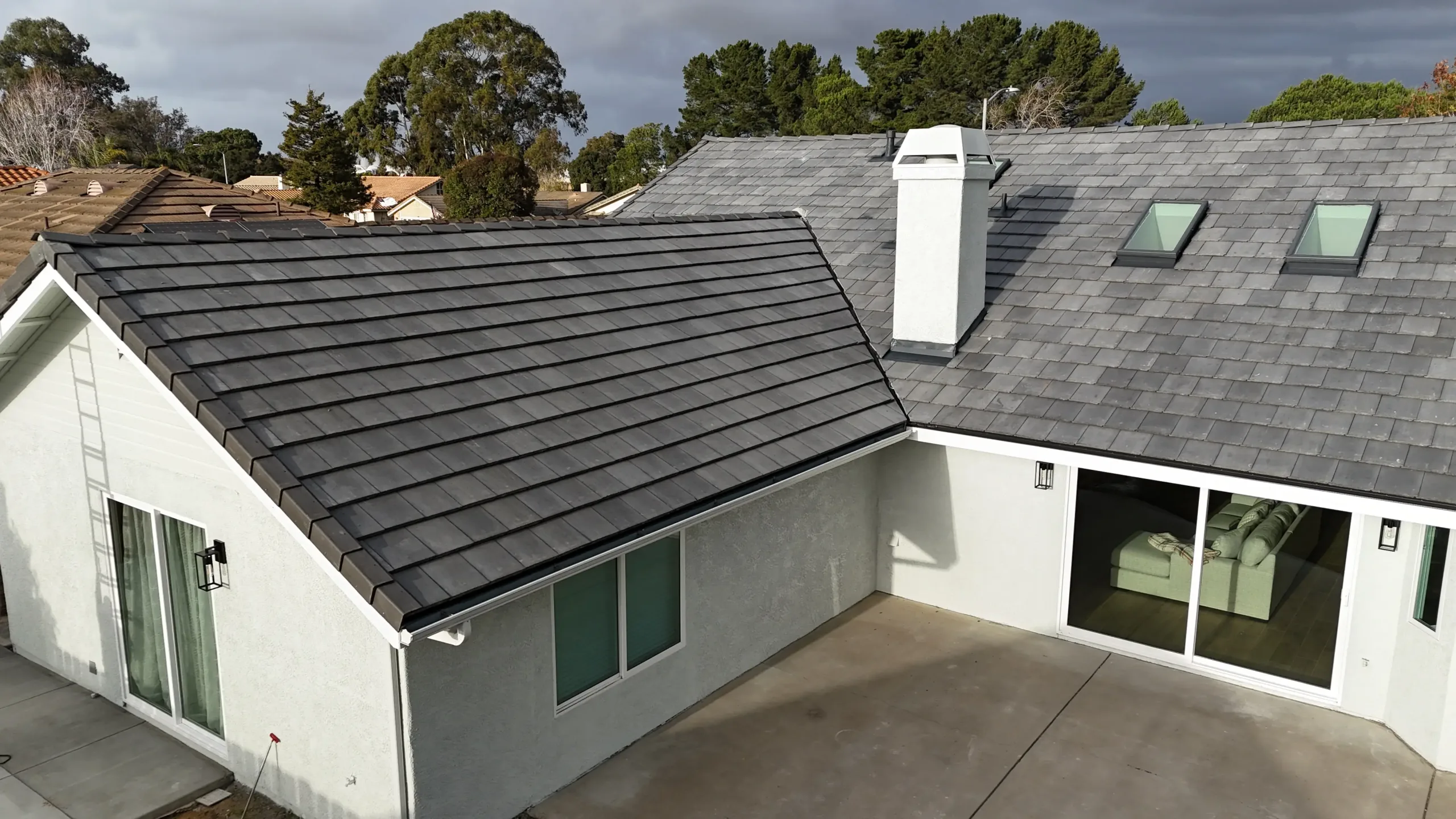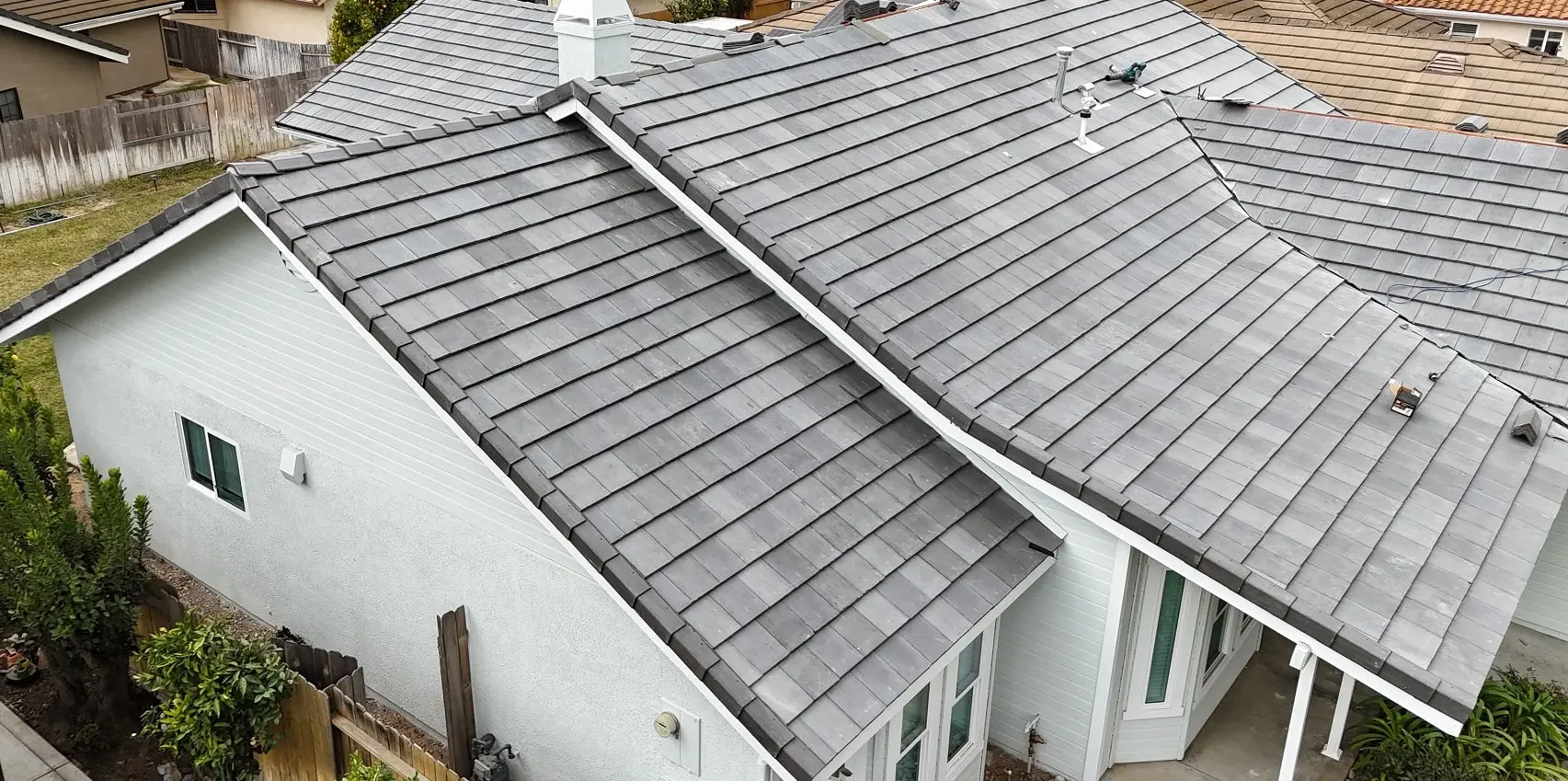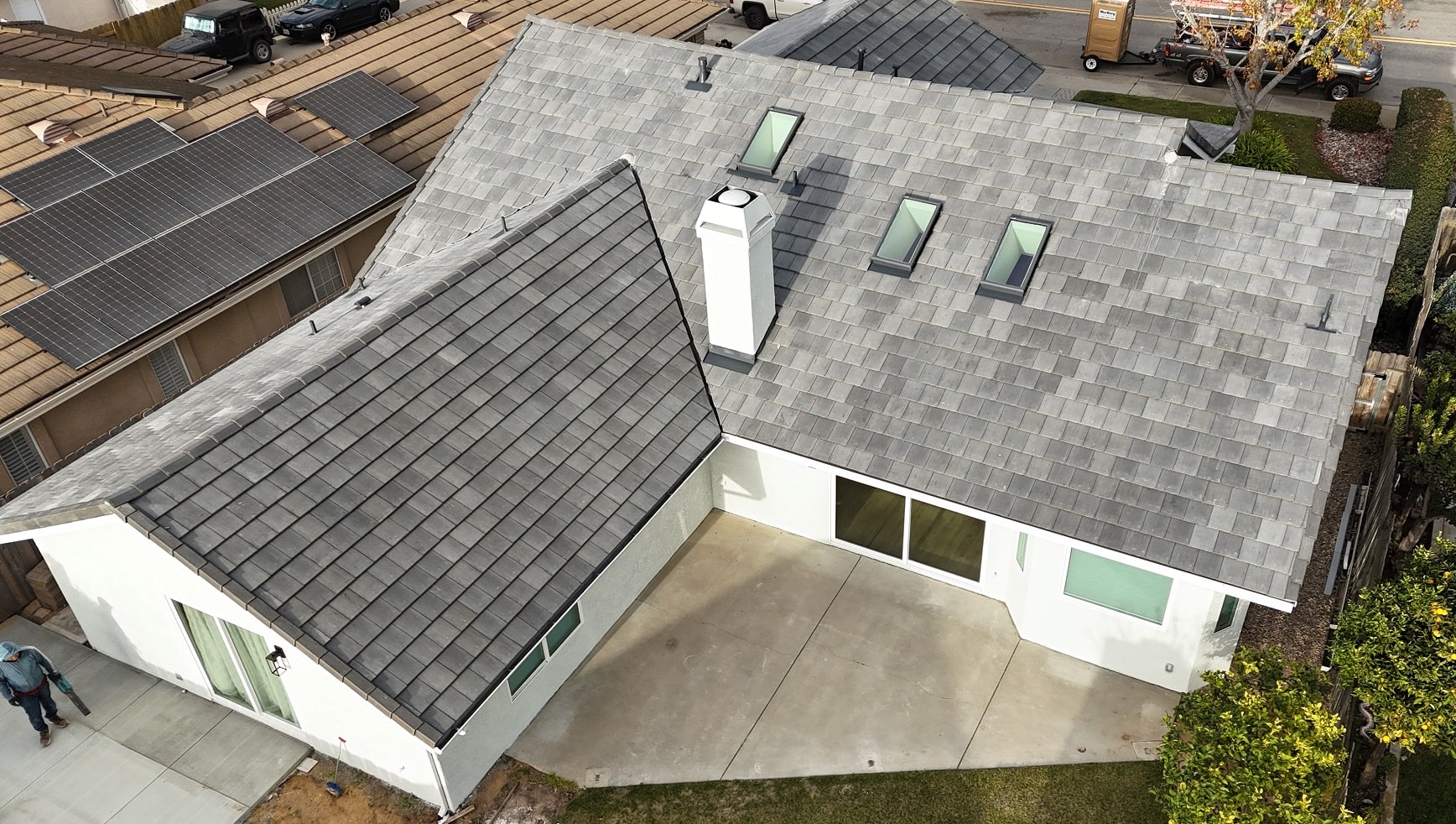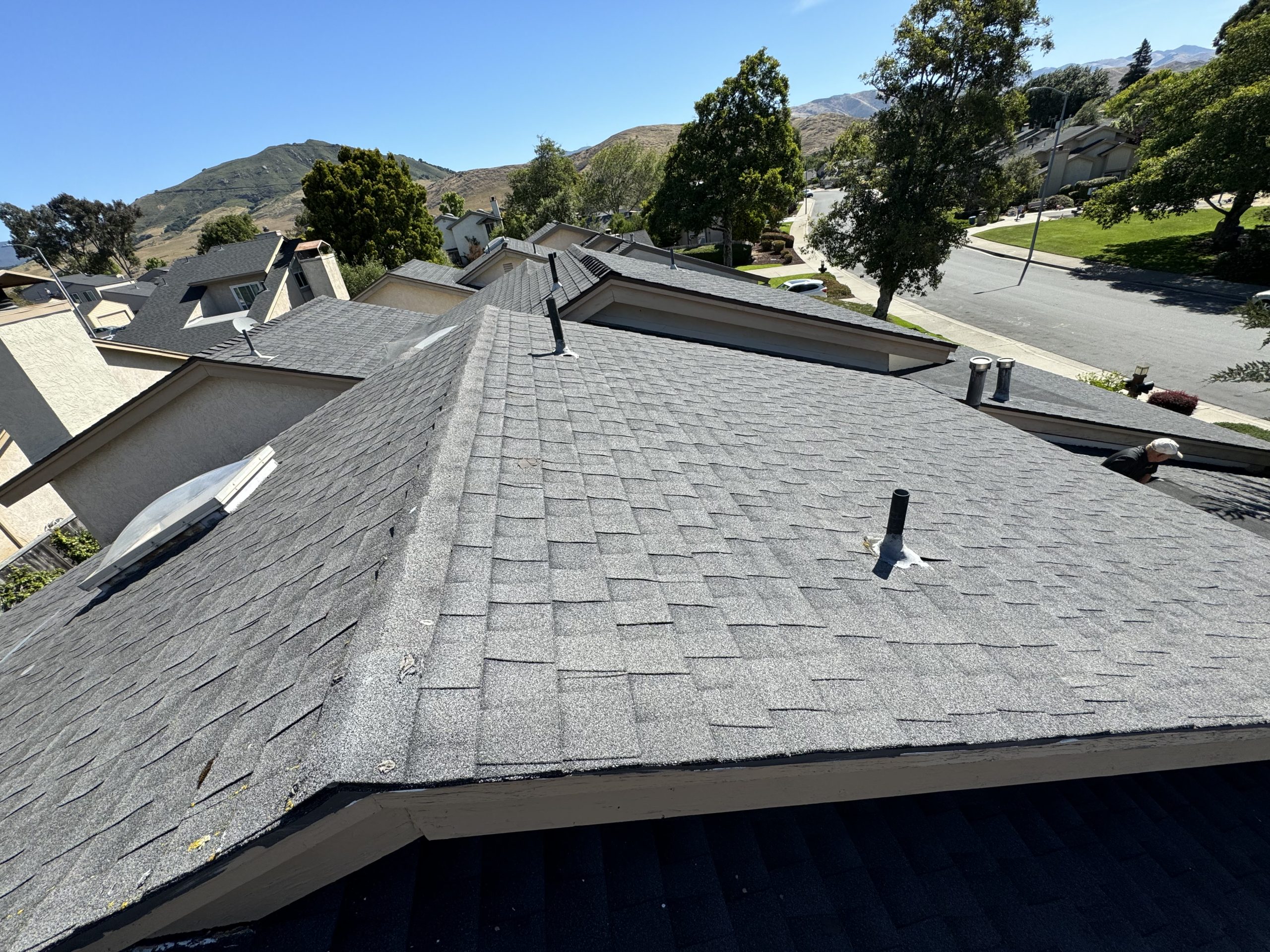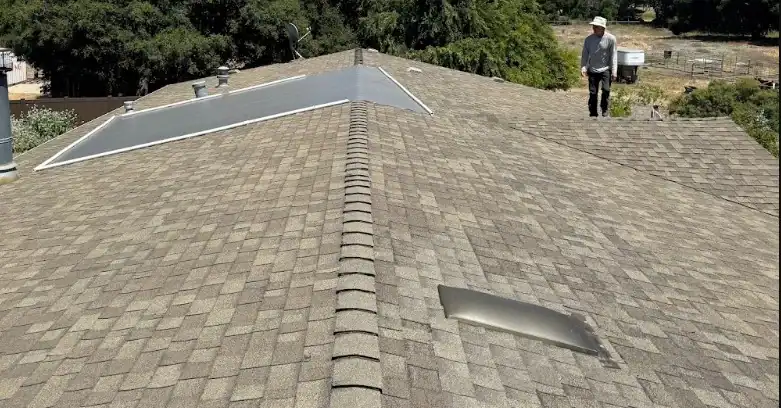
Ready for Shingle Roofing Installation Serving Lompoc California?
Creative Roofing replaces worn shingle roofs and mends the ones that still have life left, throughout Lompoc California and the neighboring communities.
Dial 805-723-2381 to talk through shingle styles and what suits the home.
What a Shingle Roof Is Made Of
Most roofs on houses here wear shingles built from a glass-fiber core with an asphalt skin, and the granules protect the asphalt from the sun. Granule loss is the clearest sign that a shingle is wearing out, and bare patches show up as dark spots.
Three-Tab, Architectural and Designer Lines
Flat shingles of this style are economical but wear out sooner than thicker kinds, and a little care goes a long way. Laminated shingles are thicker, heavier and more dimensional than flat strip shingles, and the details are worth a closer look. Designer shingles are heavier and carefully styled to resemble natural slate or cedar, and it is easy to overlook.
How California Weather Wears a Shingle
Heat, ultraviolet light and temperature swings wear the surface steadily, and the difference shows how much the sun contributes. Cracks across the face open the way for water to reach the layers below, so they deserve attention before the rainy season.
Color, Reflectivity and Cooling
A pale shade reflects more sunlight than a dark one, which can reduce heat entering the attic, and a little care goes a long way. Cool shingle lines are designed to lower roof temperatures without changing the look much, and the actual benefit depends on the house.
The Craft Behind a Good Install
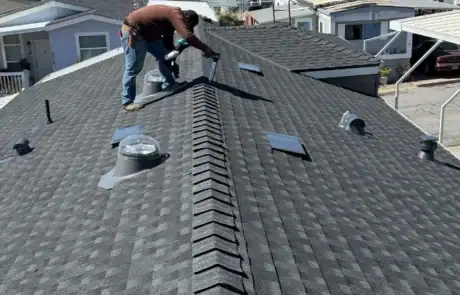
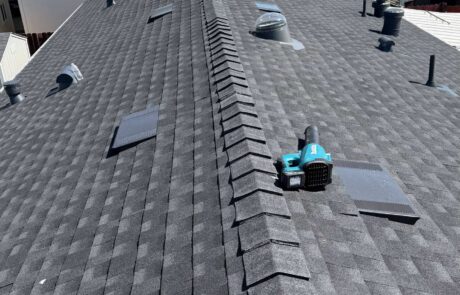
Fastening is the quiet detail that separates a durable roof from a poor one, and check that they are driven flush. The row at the eave is the most exposed to wind and water, which is why it gets special treatment, and crooked rows are a warning. The cap shingles on a ridge take extra abuse from sun and wind, so the details at the top deserve attention.
Gusts and Loose Tabs
Seal strips need warmth to activate, which is why roofs installed in cool weather may take longer to bond, and a roof installed in summer bonds quickly. Wind rarely harms a well-sealed roof, but it finds every weak spot on an old one, and a prompt repair prevents a leak.
Balanced Intake and Exhaust
A balanced system of intake and exhaust keeps the temperature under the roof closer to the air outside, and it is easy to overlook. The right combination depends on the shape of the roof and the size of the attic, so ask what will be done about ventilation.
The Details Beneath and Beside the Field
Modern synthetic underlayments resist tearing and last better in strong sun, and it matters most when the roof is open to weather. An open valley shows a strip of metal, while a closed valley is covered with shingles, and a careful crew takes extra time at the details.
Signs of Wear and Choosing Repair or Replacement
Cracks, missing pieces and exposed nails are all signals worth acting on, and a roofer can sort the serious from the cosmetic. Patching makes sense when the damage is limited and the shingles are otherwise healthy, and the savings can be substantial. When the whole roof is brittle, curling and shedding granules, repairs become a losing game, and choose the new shingles with care.
What Lies Under the Existing Roof
Most shingle replacements begin with a full tear-off, in which the old layers are stripped away and the plywood or boards beneath are laid bare, and the bare deck is also the moment to check ventilation openings. Overlaying is a shortcut that a careful roofer will explain before agreeing to it, and the savings are usually smaller than they seem. Agreeing on how replacement boards are measured and charged prevents a dispute halfway through the job, and the details are worth a closer look.
Keeping the Yard Safe During a Shingle Job
A shingle tear-off throws old material in every direction, so a careful crew covers plants, vents and the ground before the first piece comes off, and the crew returns it to normal when finished. Tires and bare feet find stray nails more often than anyone expects, so a thorough pickup at the end is essential, so walk the yard with the foreman at the end. Checking the gutters after the first big rain is a good habit, and it takes only a few minutes, and the new roof will thank you.
Planning Around Rain and Heat
Shingle work goes best in dry, mild weather, when the sealing strips bond quickly and the crew can leave the roof open without worry, so booking ahead is wise. Shade, water and early starts are the usual ways of coping with the heat on a dark roof, and the schedule bends to the weather.
Working Around Things That Share the Roof
Roofers work around fixed obstacles all the time, but each one adds time and adds a place where water might enter, and a thorough roofer will count them. Ideally the roof is renewed before panels are installed, so that the new system is not removed again within a few seasons, and the order of the work matters a great deal.
Color, Fade and Repair Work
Some visual difference is normal after a repair, and it fades as the new pieces weather, and a small color difference is not a defect.
Where Shingles End and Gutters Begin
A drip edge along the eave and the rake guides water into the gutter and keeps it from running behind the fascia, where it would rot the wood, and fixing it now costs less than later.
Comparing Shingle Roofing Proposals
The written scope should list tear-off, deck repair, ventilation and cleanup, so ask for details in writing. Check what happens if damaged sheathing is found once the old roof is off, and it is easy to overlook.
Next Steps for Your Roof
Anyone sorting out Shingle Roofing Installation in Lompoc California is one call away from a straight answer, and the number is 805-723-2381. Even a quick call can clear up questions about shingle grades, colors and timing, and the first step is just a phone call.
Verified

Verified
Verified
Verified
Verified