
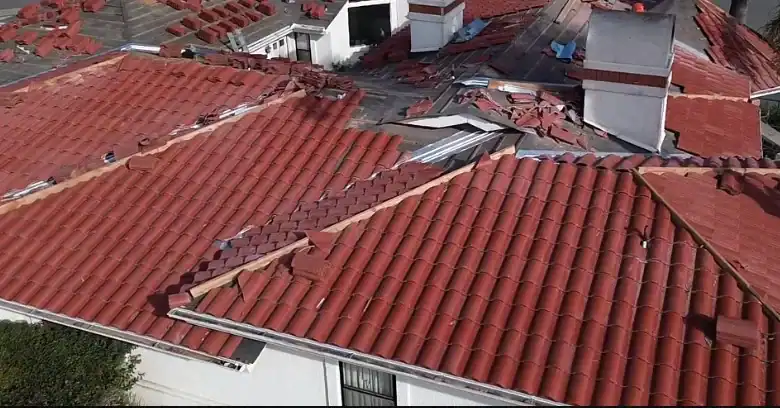
Ready for Tile Roofing Services Around Santa Maria California?
Creative Roofing installs, repairs and re-sets the heavy, long-lived coverings found on many homes in the region, throughout Santa Maria California and the neighboring communities.
Call 805-723-2381 and ask about the roof over your house.
What Makes a Roof Out of Fired Clay or Molded Concrete Different
Fired clay and molded concrete are the two materials used for the heavy, durable coverings found across the region, and the system works only when every piece is in place. Natural clay holds its color for a very long time, while concrete may need more attention to its finish, and the style often follows the architecture of the house.
Checking the Rafters Before Choosing
Many houses built for tile are designed to carry it, while others would need reinforcement, and an engineer may be involved in a conversion. Adding weight without adding support invites cracks, sagging and even failure, and the cost of that work belongs in the plan.
What Sits Beneath the Pieces
The membrane is out of sight, which is why it is easy to forget, and a re-lay is the chance to replace it. A roof can look perfect from the street and be failing underneath, and the answer says a lot about the contractor.
How Heat Behaves Under the Pieces
Clay and concrete handle strong sun far better than lighter coverings, which is a large part of their appeal here, and it pays to think it through. Efflorescence, a white powdery bloom, can show on concrete units and is mostly cosmetic, and surface cleaning is far cheaper than replacement.
What Goes Wrong on the Surface
A cracked unit lets water reach the underlayment, which is meant for backup rather than constant exposure, so a close inspection from the roof is the only reliable method. A short inspection after any work on the roof catches damage early, so ask for a check after other work is done.
Hand-Shaped Metal and Mortar
Metal flashing and sealant protect these joints, and both age in strong sun, and that is worth keeping in mind. Cracked and crumbling mortar along the ridge lets water and wind get under the cap pieces, so look for loose or missing cap pieces.
How Units Are Secured
Though heavy, individual pieces must be fastened properly or they can slide or lift in strong gusts, and edges and ridges deserve the most attention. Keeping the roof and gutters clear of leaves and needles is part of staying safe, and the pieces themselves are only part of the answer.
Repair, Re-Lay or Replace
The decision depends on how many pieces are cracked and how the underlayment is holding up, so ask for an assessment of the underlayment. If the pieces are worn out, a re-lay would only reuse tired material, and that is worth keeping in mind.
Mortar, Foam and Dry-Set Methods
Foam adhesives are widely used to secure units, particularly in areas where wind is a concern, because they bond quickly and resist uplift, and the best answer is specific to your roof. Gaps at the ridge need the same attention, since embers and animals will find any opening, and they are often forgotten.
Dirt, Lichen and Cosmetic Wear
Cleaning should be done carefully by someone who knows the material, since walking on the roof is a risk to the units themselves, and a clean roof looks years younger. A professional cleaner will explain the method and protect the plants and walls below, so combine the two visits.
Selecting the Layer Beneath
High-temperature rated products suit the hot conditions found beneath dark units on a sunny slope, and the choice should be in writing. Battens that lift the units off the underlayment allow air to circulate and water to drain freely beneath the pieces, and the extra layer is inexpensive protection.
Planning Equipment Around the Units
Rooftop solar arrays and skylights need openings or mounting points cut through a roof of individual pieces, and each one has to be flashed with care, and the decision deserves some planning. Every person who climbs onto a roof of this kind risks cracking something, so access should be limited to those who know how to walk it, and replacing a unit is far cheaper than repairing the leak. Clearing debris from valleys before the rainy season is the simplest way to protect the underlayment beneath them, and the dry season is the time to do it.
Two Materials, Two Personalities
Cast from cement and sand, concrete units take their color from pigment in the mix or from a coating applied to the surface, and compare how they look in daylight. Profiles vary from the rounded barrel shape seen on Spanish and Mediterranean homes to flat slabs and interlocking designs that look like slate or shake, and take your time with the choice.
Getting Specific About a Heavy Roof
The best contractors put the specifics in writing, and a clear proposal reflects a careful crew. Ask how the structure will be checked and what happens if damage is found, and trust the tone of the conversation.
Planning a Re-Lay Step by Step
Each section of the roof is stripped down to the underlayment, repaired and covered with fresh waterproofing before the units go back, and the crew has to be careful with every piece.
Wildfire Season and Heavy Roofs
Clearing leaves and needles from valleys, gutters and the back of chimneys removes fuel that could ignite from a flying ember, so make it part of the late-summer routine.
Keeping Track of a Long-Lived Roof
Photographs taken during the work show what lies under the units, which is a view that nobody sees again for decades, and a clear record makes repairs simpler.
Next Steps for Your Roof
Homeowners weighing Tile Roofing Services in Santa Maria California can begin by describing the house and the roof they have, and the number is 805-723-2381. Whether the roof is leaking now or you are planning ahead, an early conversation keeps your options open, and the first step is just a phone call.
Verified

Verified
Verified
Verified
Verified






















