
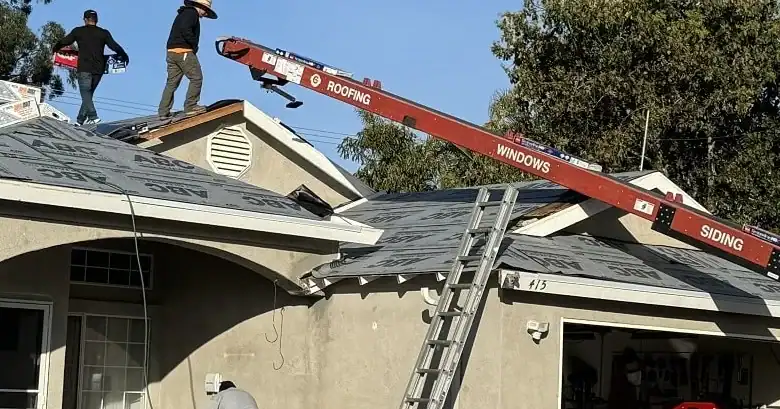
Searching for Roof Services Around Morro Bay California?
Creative Roofing walks a household through every stage of a roofing project, working in Morro Bay California and nearby.
Dial 805-723-2381 to set up a time for someone to look at the roof.
Where a Roofing Job Begins
Nothing gets decided until someone has walked the roof, because the rest of the plan rests on the findings from that look. Loose granules, lifted edges, cracked flashing and soft spots all say something about the layers below, and the findings are worth asking to see.
Sun and heat age a roof in ways that rain alone never would, and the sunniest side is usually the oldest-looking side.
Deciding What the Roof Needs
Some roofs need a patch, some need a section redone, and some have reached the end of the road, and the details are worth a closer look. Ask to see the problem areas, either in photographs or from the ladder, because you are the one living under the result.
Hidden damage found during tear-off is the usual reason a project grows beyond its first outline, and agreeing on the approach in advance beats debating it with the roof open.
Picking a Roof Covering
Homeowners usually end up comparing shingles, tile and metal panels, and the style of the neighborhood often plays a part. Color deserves more thought than it usually gets, and a full-size piece seen outdoors beats a catalog picture.
Planning for Rain and Heat
Rain arrives in bursts, and a roof that is open when one comes needs protection, and it pays to think it through. Heat affects the work as well, so an early knock on the door is nothing to worry about.
What Happens on Demolition Day
Removal of the old material is where the project gets loud, and the details are worth a closer look. The deck is checked, mended and made flat for the next layer, since good materials laid over a weak deck do not last.
The Hidden Layers
Beneath every roof is a membrane that catches whatever the surface lets through, and valleys, eaves and penetrations get extra layers. Reaching this stage quickly is a sensible way to protect the interior, and the finished surface is installed over a sound base.
Where Roofs Meet Walls and Pipes
Flashing is the thin metal that keeps water out where the roof meets something else, and reusing old flashing under a new roof often comes back to bite. Plumbing vents are among the most common sources of small leaks, so this is an easy step to ask about.
Ventilation in a Warm Climate
An attic under a hot roof can reach extreme temperatures in summer, so vents near the ridge give the hot air a way out. More vents are not always better, because intake and exhaust have to be balanced, and it is easy to overlook.
Leaving the Property Clean
The job is not over until the yard looks like a yard again, and that is worth keeping in mind. A walk around the finished roof with the roofer is a reasonable thing to ask for, so keep the paperwork and pictures together.
What the City Wants to See
Local requirements shape the job before the first shingle is touched, so it is fair to ask who pulls the permit. Areas with wildfire exposure often have extra requirements for roofing materials and vents, and the details are worth a closer look. Vague wording on a proposal is a reason to ask questions, so compare any two side by side.
What Happens to the Yard
Heavy materials, ladders and falling pieces all share the space around the walls, so tarps and plywood go down where debris will land. Children and animals should stay clear of the yard while the work is underway, and it pays to think it through. Attic contents are best covered or moved before the work starts, and a sheet over stored boxes keeps the grit off.
Disruption and How to Manage It
Timing depends on the size of the roof, the complexity of the layout and the covering chosen, and nobody can promise a date through a rain delay. Informing nearby households is a courtesy that pays off, and most people are tolerant when they know what to expect. Remote workers may want a quiet spot elsewhere for a day or two, so consider a day out of the house if you can.
What to Ask Every Roofer
Ask what will be done with the old material and how the deck will be handled, since confident answers come easily to people who do this daily. Ask for the materials by name and manufacturer so you can look them up, and a little care goes a long way. A change in scope should be written down and approved before the work continues, and keep the discussion friendly but specific.
Keeping a Roof in Good Shape
A roof needs less attention than most parts of a house, but it needs some, and little problems stay little. Keep the gutters clear of leaves and needles, especially at the end of the dry season, and a small broom is often enough. Missing pieces, lifted edges or a new stain are all reasons to have someone look, and the earlier the better.
Spring, Summer or Fall
Planning ahead usually gives better choices than reacting to an emergency, and a calm decision is nearly always a better one. Any month can work with the right planning and a willingness to move a day, and the covering you choose affects the timing as well.
Checking the Space Beneath the Deck
When the old roof comes off, the crew sees the underside of the deck, and stains, rust on nail tips and darkened wood tell the story of past leaks, and attic problems are cheaper to deal with during a re-roof.
Talk to Us About Your Roof
Sorting out Roof Services in Morro Bay California is easier with someone who can look at the house, so dial 805-723-2381 and say what you are seeing. A modest repair and a full re-roof both begin with an honest look at the roof, and that is worth keeping in mind. The decision often feels bigger before the call than it turns out to be, so pick up the phone when you are ready.
Verified

Verified
Verified
Verified
Verified






















