
Weighing Roof Maintenance for a Home in Central Coast California?
Creative Roofing stays with a roofing project from the first walk-around to the final check, working in Central Coast California and nearby.
Call 805-723-2381 to start a conversation about the roof over your head.
The First Step in a Roofing Project
The first visit is about gathering facts rather than picking a product, and a rushed visit tends to cost more than it saves. The roofer checks the surface, the flashing, the vents and the gutter line, then the attic if it can be reached, and the findings are worth asking to see.
Sun and heat age a roof in ways that rain alone never would, so the wear is rarely even from one side to the next.
Setting the Scope of Work
The right answer depends on how much sound material is left on the house, and an honest roofer will say which one applies. A roofer who explains the reasoning in plain terms is easier to trust with the work, and a good roofer expects the question.
When the decking underneath is damaged, the scope of the job grows, and it helps to know that before the work begins.
Material Decisions
Asphalt shingles, concrete or clay tile and standing seam metal are the coverings most often put on homes here, and the style of the neighborhood often plays a part. Lighter colors reflect more of the summer sun, while darker ones soak it up, and that is worth keeping in mind.
Timing the Work
Roof work is easiest to schedule in the long dry stretch between rains, and a careful crew never leaves an opening to chance. Heat affects the work as well, and finishing early keeps people and materials in better shape.
Tear-Off and Preparation
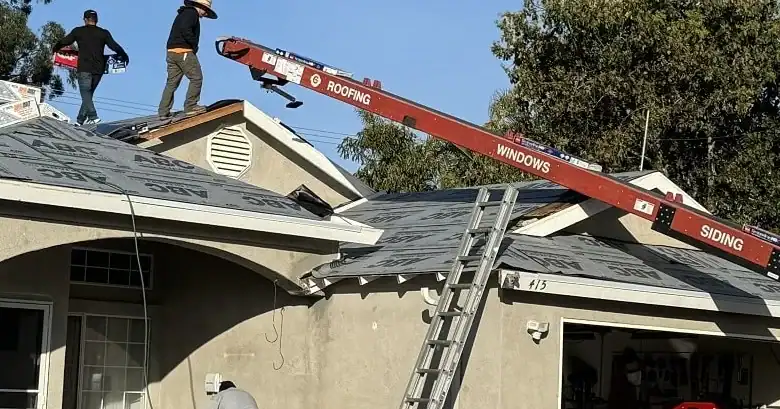
Old roofing comes off in layers, down to the bare decking, and the details are worth a closer look. Soft or split sheathing is cut out and new panels are fastened down, and skipping the step shortens the life of an otherwise good roof.
Underlayment and Drying In
Beneath every roof is a membrane that catches whatever the surface lets through, and it is easy to overlook. Drying in gives the crew a margin against surprise weather, and that is worth keeping in mind.
Where Roofs Meet Walls and Pipes
Flashing is the thin metal that keeps water out where the roof meets something else, and it pays to think it through. Sun dries and cracks the flexible parts over time, so replacing them along with the roof removes a predictable problem.
Air Under the Roof
A roof without enough ventilation bakes the attic and everything stored in it, and a proper system draws air in low and sends it out high. The design of the system matters more than the number of vents, because airflow is easy to plan now and hard to add later.
Wrapping Up
Final cleanup means more than a quick sweep, so gutters are checked and cleared of loose granules. A walk around the finished roof with the roofer is a reasonable thing to ask for, and it makes future repairs and sales smoother.
Approvals Before the Work Starts
Replacing a roof usually involves the local building department in some way, so it is fair to ask who pulls the permit. Where fire risk is high, the roof covering and the vents face tighter standards, since the covering you pick has to be one the town accepts. A proposal that names its materials and steps is easier to compare, so keep a copy where you can find it.
Shielding Windows, Plants and Patios
The ground around a house takes a beating during a roof project, so tarps and plywood go down where debris will land. Cars parked in the driveway can be struck by falling nails or pieces of shingle, and keep a path clear for deliveries. Light fixtures and wall hangings can shift when a roof is being removed above them, so it is wise to take down fragile pictures first.
Noise, Neighbors and Daily Life
A simple roof may go quickly while a complicated one takes longer, and the crew should give you a realistic window. Dumpsters and trucks may take up space on the road, so a friendly note goes a long way. Pets are often the ones most bothered by the commotion, and that is worth keeping in mind.
What to Ask Every Roofer
A sensible first question is what exactly is included in the scope, since confident answers come easily to people who do this daily. Knowing exactly what is going on the house removes a common source of disputes, and a good roofer will be glad you asked. The way a roofer handles the unexpected says a lot about the whole operation, and settle it before the first day.
Maintenance After the Job
A roof that is never looked at tends to fail when it is least convenient, and binoculars make the job easy. Overhanging trees drop material that collects in corners and valleys, and that is worth keeping in mind. Early attention to a leak is almost always cheaper than late attention, and a photograph helps explain what you saw.
Choosing the Right Season
Planning ahead usually gives better choices than reacting to an emergency, and a little care goes a long way. Winter work happens too, with crews watching the forecast closely, and the covering you choose affects the timing as well.
Roof Work and Your Attic
Insulation in the attic that is compressed, wet or missing should be noted, since a new roof is a good time to fix the whole assembly, and the findings can change the scope.
Talk to Us About Your Roof
Anyone researching Roof Maintenance in Central Coast California is one call away from a straight answer, so use 805-723-2381 to talk through the roof and the next step. The size of the project changes the schedule but not the principle, so there is no harm in asking questions first. The sooner the roof is looked at, the more choices you tend to have, so pick up the phone when you are ready.






















