
Weighing New Roof Installation Serving Central Coast California?
Creative Roofing stays with a roofing project from the first walk-around to the final check, working in Central Coast California and nearby.
Reach out at 805-723-2381 to start a conversation about the roof over your head.
Where a Roofing Job Begins
The first visit is about gathering facts rather than picking a product, since guessing from the ground leads to surprises later. Loose granules, lifted edges, cracked flashing and soft spots all say something about the layers below, and the findings are worth asking to see.
Long dry summers and strong sun leave their mark on nearly every roof in California, so the south and west slopes get the closest attention.
Choosing How Far to Go
Not every worn roof needs replacing, and not every leak is a small one, and the details are worth a closer look. Pictures of the trouble spots take the guesswork out of the decision, so do not feel awkward about asking.
When the decking underneath is damaged, the scope of the job grows, and agreeing on the approach in advance beats debating it with the roof open.
Choosing Materials for Your Home
Three families of material cover most residential roofs in this region, but the framing and the slope decide more than preference does. Lighter colors reflect more of the summer sun, while darker ones soak it up, so hold a sample against the house in daylight.
The Calendar and the Forecast
Rain arrives in bursts, and a roof that is open when one comes needs protection, and it pays to think it through. Roof surfaces get hot enough in July to change how materials behave, and a little care goes a long way.
Tear-Off and Preparation
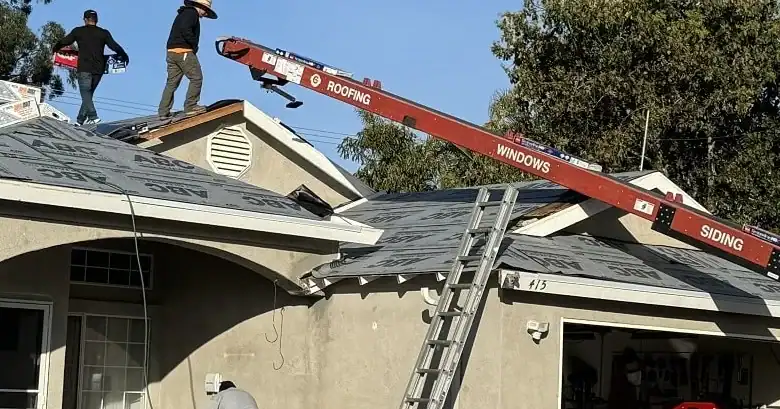
Old roofing comes off in layers, down to the bare decking, so landscaping and windows are covered before the first piece comes up. Once the deck is bare, any damaged boards are replaced, because new material is only as good as what it is fastened to.
The Hidden Layers
The first layer laid over the deck is a barrier against moisture, and chimneys get particular care. With the barrier in place the roof can shed rain even before the covering is finished, so the rest of the work can proceed without worry.
Where Roofs Meet Walls and Pipes
The places where a roof is interrupted are the places most likely to leak, and it pays to think it through. Vent boots and pipe collars are rubber or lead pieces that wear out before the roof does, and a little care goes a long way.
Keeping the Attic Cooler
Warm air trapped under the deck works on the roof from below, so vents near the ridge give the hot air a way out. More vents are not always better, because intake and exhaust have to be balanced, and it is easy to overlook.
Wrapping Up
Once the roofing is done, the property has to be put back in order, and that is part of the work, not an extra. Keeping a short record of the materials used helps with later maintenance, and it makes future repairs and sales smoother.
What the City Wants to See
Local requirements shape the job before the first shingle is touched, and the answer should be clear from the start. Areas with wildfire exposure often have extra requirements for roofing materials and vents, and a roofer working in the area should already know them. A proposal that names its materials and steps is easier to compare, so compare any two side by side.
What Happens to the Yard
A roofing job puts a lot of weight, noise and debris around a house, and it is reasonable to ask how this will be done. Moving vehicles out of range for the day is a simple precaution, and a little planning prevents most accidents. The attic gets dusty during tear-off, and anything stored there will notice, and a sheet over stored boxes keeps the grit off.
Living Through a Roof Project
Most residential projects are finished within days, not weeks, and nobody can promise a date through a rain delay. Neighbors appreciate a heads-up before the noise begins, and the whole thing is over sooner than it seems. Remote workers may want a quiet spot elsewhere for a day or two, and the noise settles once the old roof is gone.
Getting Clear Before the Work Begins
Ask what will be done with the old material and how the deck will be handled, and anything left vague deserves a follow-up. Product names and thicknesses on the proposal let you compare like with like, and a good roofer will be glad you asked. Talk through how changes to the plan will be handled and agreed, and keep the discussion friendly but specific.
Looking After a New Roof
Regular glances at the roof catch small problems early, so put it on the calendar like any other chore. Keep the gutters clear of leaves and needles, especially at the end of the dry season, and a small broom is often enough. Early attention to a leak is almost always cheaper than late attention, and it pays to think it through.
Spring, Summer or Fall
Planning ahead usually gives better choices than reacting to an emergency, and calling in spring avoids the rush. Early fall is popular because the weather is still dry and the heat has eased, and a good roofer will explain the trade-offs.
Checking the Space Beneath the Deck
Insulation in the attic that is compressed, wet or missing should be noted, since a new roof is a good time to fix the whole assembly, and bring a flashlight if you can.
Start the Conversation
Sorting out New Roof Installation in Central Coast California is easier with someone who can look at the house, with 805-723-2381 ready whenever you are. The size of the project changes the schedule but not the principle, and that is worth keeping in mind. The sooner the roof is looked at, the more choices you tend to have, and nobody will rush you.






















