
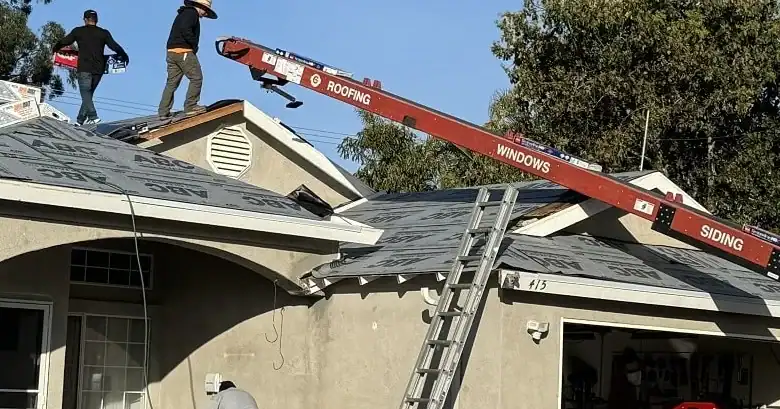
Looking for Roof Services Serving Santa Barbara California?
Creative Roofing covers each step of putting a new roof on a house, from Santa Barbara California out to the surrounding area.
Dial 805-723-2381 to set up a time for someone to look at the roof.
Where a Roofing Job Begins
Nothing gets decided until someone has walked the roof, since guessing from the ground leads to surprises later. Loose granules, lifted edges, cracked flashing and soft spots all say something about the layers below, so the visit usually takes longer than people expect.
Heat is the quiet cause behind much of the wear seen on roofs here, so the south and west slopes get the closest attention.
Choosing How Far to Go
A roof can be repaired, partly rebuilt or removed entirely, and the evidence decides what is done, and the recommendation should come with the reasons attached. A roofer who explains the reasoning in plain terms is easier to trust with the work, and a good roofer expects the question.
When the decking underneath is damaged, the scope of the job grows, so a note on how it will be handled saves arguments later.
Picking a Roof Covering
Three families of material cover most residential roofs in this region, since heavy coverings need a frame built to carry them. A roof that faces strong sun all afternoon behaves differently depending on its shade, and that is worth keeping in mind.
Scheduling Around the Weather
Dry months are the busy season for roofing, since an open roof and rain do not mix, so exposed areas get covered at the end of each day. On very hot afternoons shingles soften and workers slow down, and a little care goes a long way.
Removing the Old Roof
Removal of the old material is where the project gets loud, and magnets and rakes pick up the nails that fall. Sound wood is the base everything else depends on, and it is easier to fix now than after the roof is finished.
What Goes Down First
The surface you see is only the outer layer of a roof, and chimneys get particular care. The house is safest once the second layer is complete, and the visible covering goes on from there.
Where Roofs Meet Walls and Pipes
Chimneys, skylights, vent pipes and walls all need flashing worked into the roof, since worn metal under new material becomes the weak link. Vent boots and pipe collars are rubber or lead pieces that wear out before the roof does, and a new roof should not depend on a seal that is already tired.
Attic Airflow
An attic under a hot roof can reach extreme temperatures in summer, so vents near the ridge give the hot air a way out. Mixing vent types without a plan can short-circuit the airflow, and a roofer should be able to describe it simply.
Wrapping Up
When the last piece is installed, the cleanup begins, and a magnetic sweep picks up stray nails. A walk around the finished roof with the roofer is a reasonable thing to ask for, so keep the paperwork and pictures together.
Approvals Before the Work Starts
Rules about reroofing differ from one city to the next, so it is fair to ask who pulls the permit. Fire safety rules in some neighborhoods affect which coverings are allowed, and the proposal should reflect them. The best paperwork leaves little room for misunderstanding, and it is easy to overlook.
Keeping the Property Safe
A roofing job puts a lot of weight, noise and debris around a house, and that is worth keeping in mind. Moving vehicles out of range for the day is a simple precaution, so tell the crew about anything fragile or valuable. Inside the house, vibration can shake items from shelves and loosen attic insulation, and a little care goes a long way.
Disruption and How to Manage It
Most residential projects are finished within days, not weeks, and nobody can promise a date through a rain delay. A quick word with the people next door can head off complaints, and early starts mean early noise. Working from home during a roof job is possible, though not always pleasant, and everything returns to normal once the crew packs up.
Questions That Reveal the Difference
A sensible first question is what exactly is included in the scope, and write the answers down. The product line matters as much as the type of covering, and it should be written on the proposal. The way a roofer handles the unexpected says a lot about the whole operation, and it is better to know in advance.
Small Habits That Extend Roof Life
A roof that is never looked at tends to fail when it is least convenient, and the best times are before the rainy season and after the first big storm. Overhanging trees drop material that collects in corners and valleys, so it is worth doing before summer ends. Waiting on a small problem usually makes it more expensive, so do not wait for the next storm.
Timing a Roof Project Through the Year
A roof replaced on purpose goes better than one replaced in a panic, and a little care goes a long way. Early fall is popular because the weather is still dry and the heat has eased, and a good roofer will explain the trade-offs.
Insulation, Ducts and Cables Under the Roof
Insulation in the attic that is compressed, wet or missing should be noted, since a new roof is a good time to fix the whole assembly, and it is easy to overlook.
Start the Conversation
Anyone researching Roof Services in Santa Barbara California is one call away from a straight answer, so dial 805-723-2381 and say what you are seeing. The size of the project changes the schedule but not the principle, and that is worth keeping in mind. Putting off a roof question rarely makes it easier to answer, and nobody will rush you.
Verified

Verified
Verified
Verified
Verified






















