
Weighing Roof Maintenance Around Arroyo Grande California?
Creative Roofing takes a roofing job from the first look to the last sweep of the yard, working in Arroyo Grande California and nearby.
Ring 805-723-2381 and tell us what has you thinking about the roof.
Day One of a Roof Project
Before any material is chosen, the existing roof has to be understood, and the notes from that visit steer every later choice. The roofer checks the surface, the flashing, the vents and the gutter line, then the attic if it can be reached, and that is the evidence a sensible plan is built on.
Sun and heat age a roof in ways that rain alone never would, and a little care goes a long way.
Setting the Scope of Work
Whether to fix or replace comes down to the condition of the layers beneath the surface, and an honest roofer will say which one applies. Damage should be shown rather than only described, so do not feel awkward about asking.
Rotted or soft sheathing changes the plan and often the schedule, and nobody should be surprised when it happens.
Matching the Covering to the House
Homeowners usually end up comparing shingles, tile and metal panels, so structure comes first and appearance second. The shade of a roof affects how hot it runs in July, and it pays to look at them at different times of day.
The Calendar and the Forecast
Roofing here follows the weather more than the calendar, and a careful crew never leaves an opening to chance. Roof surfaces get hot enough in July to change how materials behave, so the day usually begins at sunrise.
Stripping Down to the Deck
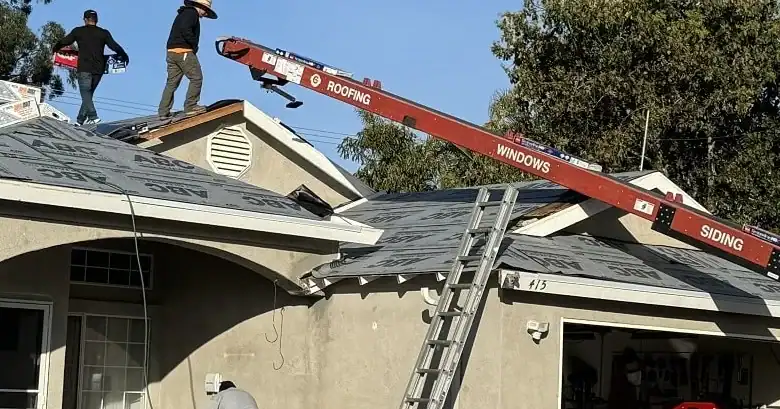
The existing covering is stripped away and the deck is left exposed for inspection, and debris goes into a bin or trailer rather than onto the lawn. The deck is checked, mended and made flat for the next layer, so this is not the place to save time.
Waterproofing Beneath the Surface
The first layer laid over the deck is a barrier against moisture, and it is easy to overlook. With the barrier in place the roof can shed rain even before the covering is finished, and the visible covering goes on from there.
Details That Decide Whether It Leaks
Chimneys, skylights, vent pipes and walls all need flashing worked into the roof, so fresh metal is standard practice among careful crews. Vent boots and pipe collars are rubber or lead pieces that wear out before the roof does, so this is an easy step to ask about.
Intake and Exhaust
Heat collects in the space beneath the roof deck unless it has somewhere to go, and vents at the eaves let cooler air in. Mixing vent types without a plan can short-circuit the airflow, and the answer should be part of the proposal.
The Last Day on Site
Final cleanup means more than a quick sweep, and covers come off the landscaping and the beds are inspected. Looking at the ridge, the valleys and the flashing with the roofer present is time well spent, and a saved record answers questions nobody has thought to ask yet.
Permits and Paperwork
Depending on the town, a re-roof may need a permit before any material is ordered, and the process is easier when someone handles it for you. Wildfire concerns have changed what many local codes ask of a roof, and the proposal should reflect them. Vague wording on a proposal is a reason to ask questions, because what is written down is what everyone remembers.
Protecting the House and Yard
A busy work site needs boundaries, and that is worth keeping in mind. Children and animals should stay clear of the yard while the work is underway, so tell the crew about anything fragile or valuable. The attic gets dusty during tear-off, and anything stored there will notice, and covering belongings is a sensible precaution.
What the Household Should Expect
A simple roof may go quickly while a complicated one takes longer, and the details are worth a closer look. A quick word with the people next door can head off complaints, so a friendly note goes a long way. Household routines bend a little while the work is under way, and the noise settles once the old roof is gone.
A Short List for Comparing Proposals
Ask how the crew protects the house when rain is in the forecast, and listen to how the answer is given. The product line matters as much as the type of covering, and take your time reading it. The way a roofer handles the unexpected says a lot about the whole operation, and the details are worth a closer look.
Small Habits That Extend Roof Life
Checking the roof twice a year takes only a few minutes, and the best times are before the rainy season and after the first big storm. Sweeping leaves off the roof and out of valleys prevents trouble, and a small broom is often enough. Early attention to a leak is almost always cheaper than late attention, and a photograph helps explain what you saw.
Choosing the Right Season
Waiting for the first storm to find the weak spot means hiring in a hurry, and a calm decision is nearly always a better one. Spring can bring the first showers, so flexibility helps, so do not feel the choice is locked in.
Roof Work and Your Attic
Looking at the roof from inside the attic before the work begins reveals water stains, damp insulation and daylight where none should enter, so ask the roofer to look inside as well.
Ready When You Are
Homeowners comparing Roof Maintenance in Arroyo Grande California can simply pick up the phone, and 805-723-2381 reaches the right person. Large or small, a roofing project goes best when the plan is clear before the work starts, and the roof will tell the story once someone looks. A short conversation can turn a vague worry into a clear plan, and that is a good place to begin.
Verified

Verified
Verified
Verified
Verified






















