
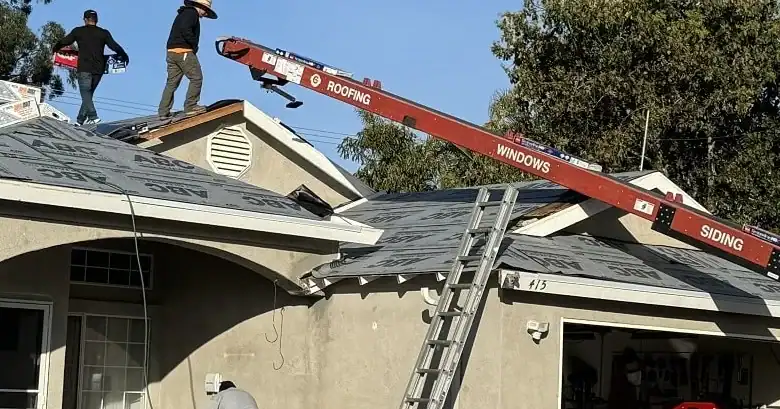
Thinking About New Roof Installation Near Santa Barbara California?
Creative Roofing covers each step of putting a new roof on a house, across Santa Barbara California and the neighboring communities.
Reach out at 805-723-2381 and describe the project you have in mind.
Starting Out Right
Nothing gets decided until someone has walked the roof, and a rushed visit tends to cost more than it saves. Photographs taken on that first visit become the record for everything that follows, and each one goes into the notes.
Sun and heat age a roof in ways that rain alone never would, so the wear is rarely even from one side to the next.
Choosing How Far to Go
Some roofs need a patch, some need a section redone, and some have reached the end of the road, and the details are worth a closer look. Findings that cannot be pointed to are findings worth questioning, and the answer tells you a lot.
Weak spots in the deck only show themselves once the old roof is off, and it is easy to overlook.
Shingle, Tile or Metal
Most houses here wear one of three coverings, and the choice shapes everything else, and the style of the neighborhood often plays a part. The shade of a roof affects how hot it runs in July, so hold a sample against the house in daylight.
Planning for Rain and Heat
Roof work is easiest to schedule in the long dry stretch between rains, and a careful crew never leaves an opening to chance. The temperature on the roof can run well above the temperature in the shade, and a little care goes a long way.
Tear-Off and Preparation
The existing covering is stripped away and the deck is left exposed for inspection, and protecting the driveway and plants is worth asking about. The deck is checked, mended and made flat for the next layer, since good materials laid over a weak deck do not last.
What Goes Down First
Beneath every roof is a membrane that catches whatever the surface lets through, and valleys, eaves and penetrations get extra layers. Once the underlayment is down, the house is considered dried in, and the finished surface is installed over a sound base.
Small Metal Pieces, Large Consequences
Flashing is the thin metal that keeps water out where the roof meets something else, and it pays to think it through. Pipe seals made of soft materials fail early in strong sun, so replacing them along with the roof removes a predictable problem.
Keeping the Attic Cooler
An attic under a hot roof can reach extreme temperatures in summer, since warm air rises on its own when it is given a path. More vents are not always better, because intake and exhaust have to be balanced, and a roofer should be able to describe it simply.
Cleanup and the Final Walk-Through
When the last piece is installed, the cleanup begins, and that is worth keeping in mind. Looking at the ridge, the valleys and the flashing with the roofer present is time well spent, and it only takes a few minutes.
What the City Wants to See
Municipal offices have their own expectations for roof work, because surprises at the counter slow everything down. Fire safety rules in some neighborhoods affect which coverings are allowed, and a roofer working in the area should already know them. Vague wording on a proposal is a reason to ask questions, and it is easy to overlook.
Protecting the House and Yard
Heavy materials, ladders and falling pieces all share the space around the walls, so tarps and plywood go down where debris will land. The area under the eaves is the one to avoid, so tell the crew about anything fragile or valuable. Inside the house, vibration can shake items from shelves and loosen attic insulation, and covering belongings is a sensible precaution.
Living Through a Roof Project
Timing depends on the size of the roof, the complexity of the layout and the covering chosen, and plan on some slack for the weather. Roof work is loud, and the street will hear it, and the whole thing is over sooner than it seems. Working from home during a roof job is possible, though not always pleasant, and the noise settles once the old roof is gone.
A Short List for Comparing Proposals
Ask how the roof will be ventilated and how the flashing will be handled, and anything left vague deserves a follow-up. Knowing exactly what is going on the house removes a common source of disputes, and a little care goes a long way. Surprises are normal, and a process for them is a sign of a well-run job, and you will have a clear record.
Keeping a Roof in Good Shape
Even a new roof benefits from an occasional look from the ground, and little problems stay little. Debris on the roof holds moisture and wears the surface, and it also reduces fire risk in dry months. Early attention to a leak is almost always cheaper than late attention, and the earlier the better.
Choosing the Right Season
Waiting for the first storm to find the weak spot means hiring in a hurry, and a calm decision is nearly always a better one. Any month can work with the right planning and a willingness to move a day, and the best season is often the one that fits your calendar.
Attic Findings That Change the Plan
When the old roof comes off, the crew sees the underside of the deck, and stains, rust on nail tips and darkened wood tell the story of past leaks, and bring a flashlight if you can.
Start the Conversation
Homeowners comparing New Roof Installation in Santa Barbara California can simply pick up the phone, so dial 805-723-2381 and say what you are seeing. The size of the project changes the schedule but not the principle, and that is worth keeping in mind. A short conversation can turn a vague worry into a clear plan, and that is a good place to begin.
Verified

Verified
Verified
Verified
Verified






















