
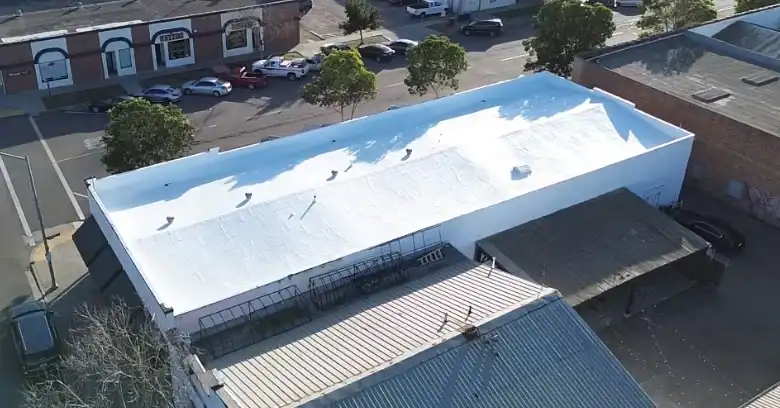
Thinking About Flat Roofs for a Building in Guadalupe California?
Creative Roofing installs membranes, coatings and built-up layers on roofs that barely shed water on their own, across Guadalupe California and nearby.
Call 805-723-2381 to arrange a visit to look at the roof.
Why Flat Roofs Need Special Care
A roof with barely any pitch is a different design problem from the ordinary sloped kind, and drainage is the central question. Because water stays on the surface, small flaws that a pitched roof would forgive become leaks on a flat one, so it pays to hire people who work on flat roofs regularly.
The Systems You Will Hear About
Heat-welded sheets such as TPO are among the most popular choices for new flat roofs, and a little care goes a long way. EPDM is a synthetic rubber sheet that is glued or mechanically fastened and has a long record on flat roofs, so periodic inspections are wise. Built-up roofing, often called BUR, layers hot or cold asphalt with reinforcing fabric and finishes with gravel or a cap sheet, and the system is heavy compared with single-ply.
Seams, Corners and Terminations
Seams, corners, edges and penetrations are where problems begin on a low-slope surface, and that is worth keeping in mind. Cracked sealant at the top of a wall flashing is one of the most common sources of leaks, so look at those joints every year.
Keeping a Level Roof Drained
Ponding is the condition of standing water on a roof, and it accelerates wear on any membrane, and a little care goes a long way. A new roof is the best time to correct drainage problems for good, and it extends the life of the whole system.
How Heat Wears a Low-Slope Roof
Long dry summers expose the membrane to intense light for months without a break, and the movement stresses seams and fasteners. Silicone, acrylic and elastomeric coatings are the main families used on flat roofs, and a coating cannot rescue a roof that is wet inside.
Protecting the Surface From Wear
Boots, pitch pockets and flashing collars around pipes must be sound and sealed, and it pays to think it through. Roof-mounted air conditioners and other equipment bring service people who walk on the membrane, and a little care goes a long way.
What a Roof Can Still Do
Targeted repairs buy time and protect the interior while a bigger plan is made, so ask to see where the water is getting in. These options depend on the condition of the insulation under the old surface, so be cautious of any bid that skips the testing. Starting fresh gives the best foundation for another long stretch of service, and that is worth keeping in mind.
Patios, Garages and Modern Homes
Plenty of ordinary houses have a flat or nearly flat section, whether it is a porch, a garage, a bay or the whole roof of a modern design, so ask whether the company handles low-slope work regularly. Siding, stucco and trim all have to be worked into the flashing, and the roofer has to cooperate with whoever finished the wall, and a thorough repair covers the whole junction. A roof used as living space has to meet higher standards than one that nobody walks on, and the details are worth a closer look.
Energy and the Low-Slope Roof
Rigid insulation boards above or below the deck slow the passage of heat, and they matter more on a level roof than on any other type, and it is easy to overlook. Replacing only the saturated sections can restore performance while leaving the dry parts in place, and the map is a useful record.
Small Habits That Prevent Big Leaks
A check in early autumn catches clogged drains, lifted seams and cracked sealant before the first storm tests them, so make it a fixed date on the calendar. After a heavy storm or a spell of high wind, a quick look from a ladder can show whether anything has shifted, lifted or collected on the surface, so do not wait to see whether it dries out.
Wind, Edges and Fastening on a Level Roof
Seasonal gusts pull hardest at the perimeter of a low-slope roof, so the fastening pattern is tighter along the edges than in the middle of the field, and repairs should not wait for the next storm. A ballasted roof needs a structure strong enough to carry the added load, which is a point to confirm before choosing the system, and replace what has blown away. A careful roofer walks the roof beforehand and counts every penetration, then includes them all in the proposal, and a thorough walk-through prevents them.
Skylights, Hatches and Vents on a Level Roof
A curb lifts the opening above the level of standing water, which is the main reason it exists, and the membrane must climb it and be sealed at the top, so ask how every opening will be handled. The seal around a pipe on a low-slope roof has to be formed to match the membrane, because a generic rubber boot will not bond to every type, and every opening is one more detail to watch. Keeping every outlet clear and in good repair is the most important single habit of flat roof care, and a blocked outlet loads a roof beyond its design.
What the Paperwork Should Say
Look for the manufacturer system and the type of seam, whether welded, glued or taped, and a careful contractor will explain every line. Ask who will supervise the work and how weather delays will be handled, and it is easy to overlook.
What to Expect on the Days of the Work
The crew needs clear access to the roof, a place to set up the equipment and a path for removing old material without crossing living areas, and that is worth keeping in mind.
Short Answers About Low-Slope Roofing
Plenty of owners assume a membrane has to be replaced at the first sign of wear, when a repair or a coating would have done the job, and bring photographs if you have them.
Tell Us What You Are Dealing With
Owners weighing Flat Roofs in Guadalupe California can begin by describing the building and the roof they have, and 805-723-2381 reaches someone who can help. There is no pressure in asking about a flat roof, and we are glad to help you sort it out.
Verified

Verified
Verified
Verified
Verified






















