
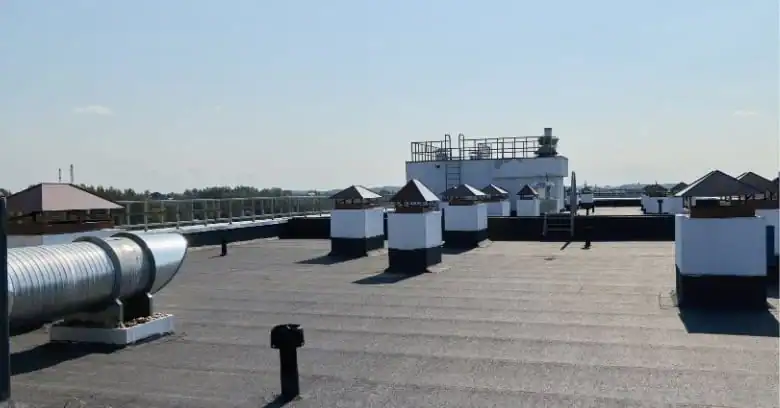
Researching EPDM Roofs Near Central Coast California?
Creative Roofing handles the seams, drains and edges where a flat roof succeeds or fails, serving owners in Central Coast California and beyond.
Dial 805-723-2381 and describe what you are seeing up there.
How a Flat Roof Differs From a Pitched One
Low-slope roofs rely on a continuous waterproof skin because gravity does little to clear the surface, and that is worth keeping in mind. Careful work at the seams, edges and drains is what keeps one dry, and the cost of a mistake is paid in repairs.
Membranes, Built-Up Layers and Coatings
White single-ply membranes reflect sunlight and help keep the building cooler, so a damaged area can be fixed cleanly. A rubber roof is flexible and handles movement well, though seams and flashings need care, and punctures can be patched with the same materials. Layered asphalt systems have been used for generations and are valued for redundancy, so the structure has to carry it.
Seams, Corners and Terminations
A careful look at the details finds most of what is wrong, and that is worth keeping in mind. Parapet caps and copings protect the top of the wall and must be sound, and redoing sealant is routine upkeep.
Ponding, Drains and Rain Bursts
Puddles that remain a day or two after rain signal that water is not leaving the roof as it should, and a clogged outlet can overload a roof. Adding drains or enlarging scuppers helps when the old ones were undersized, and it extends the life of the whole system.
Sun, Heat and Reflective Surfaces
Dark surfaces can reach temperatures much higher than the surrounding air, and sunlight is the main cause of aging. Reflective surfaces keep rooms below cooler and may reduce the load on air conditioning, so cleaning and repair come first.
Anything That Pokes Through or Sits on Top
Skylights and hatches add edges that need careful flashing, and plugging with caulk is only a stopgap. A roof used as a patio or deck needs a protective layer or pavers, and a quick look after any service visit catches new damage.
Choosing How Far to Go
A flat roof with a few leaks and a sound membrane can often be repaired for a fraction of the cost of replacing it, and the details are worth a closer look. Adding a new membrane over an existing one is possible in some cases and saves removal costs, and the survey is worth the small cost. Starting fresh gives the best foundation for another long stretch of service, and that is worth keeping in mind.
Small Flat Roofs With Big Responsibilities
Many homes combine a pitched main roof with flat sections at the back or the sides, and the two meet in a joint that needs careful flashing, and a shingle crew may not be the right choice. A low roof meeting a taller wall is among the most leak-prone details on a house, and it deserves close attention, and describe where the stain appears. Roof decks and patios built over living space need a waterproofing layer under the finished surface, and a failure there can be expensive to reach, and ask about drains and overflows.
Keeping Rooms Cool Below a Flat Surface
Because there is often little or no open space under the deck, heat from a hot summer day passes quickly into the rooms below unless the roof is well insulated, so ask what insulation is part of the proposal. Wet insulation loses most of its ability to resist heat and adds weight the roof was never meant to carry, and that is worth keeping in mind.
A Simple Maintenance Calendar
Walking the roof once a year, in a safe and careful way, reveals problems that are invisible from the ground, and call a roofer if anything looks suspicious. Noting the date and the weather when a leak appears helps the roofer find the cause, and call early rather than late.
Holding a Membrane Down in a Gust
After a windy spell it is worth checking the perimeter from a ladder for loose trim, lifted seams and curling edges, and repairs should not wait for the next storm. Ballasted roofs hold the membrane down with a layer of smooth stone or pavers instead of glue or fasteners, and the weight is part of the design, and the stone should be kept out of the drains. A careful roofer walks the roof beforehand and counts every penetration, then includes them all in the proposal, so be there for the visit if you can.
Openings That Need Their Own Waterproofing
Old skylights on flat roofs are a frequent source of leaks, because the seals harden in the sun and the frames move over time, and that is worth keeping in mind. A roofer who plans the layout of penetrations before the work starts usually delivers a drier roof, and mark each one on a sketch. A drain bowl that is sealed to the membrane with a clamping ring and sealant keeps water from creeping under the sheet at the outlet, so check them often in the rainy months.
Reading Competing Bids
A good proposal names the membrane, its thickness, the attachment method and the insulation to be used, so ask for the details in writing. Find out how drainage will be addressed and whether tapered insulation is included, and notes help you compare.
Scheduling and Living With a Flat Roof Project
Hot-applied and adhesive systems give off smells while they cure, so windows and vents near the work area are usually closed for a day, and tell the crew about pets and schedules.
What People Wonder When the Roof Is Flat
A flat roof is not doomed to leak, and one that is well built and looked after can serve a property for a very long time, and bring photographs if you have them.
Tell Us What You Are Dealing With
Owners weighing EPDM Roofs in Central Coast California can begin by describing the building and the roof they have, so use 805-723-2381 to set up the next step. Calling before a problem becomes urgent makes it easier to compare options and schedules, and a little care goes a long way.






















