
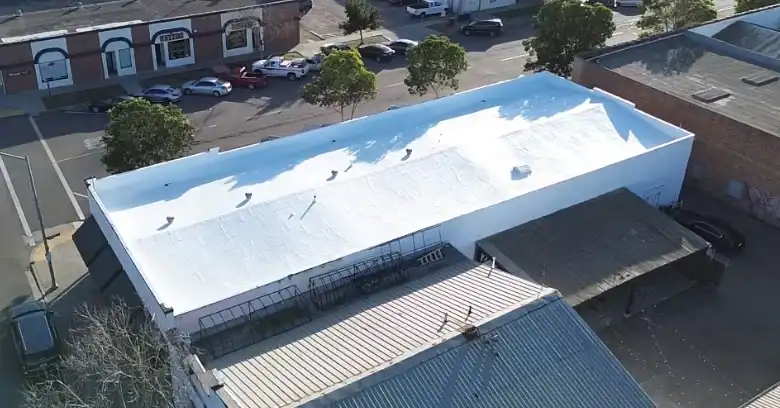
Researching Flat Roof Repair for a Building in Nipomo California?
Creative Roofing installs membranes, coatings and built-up layers on roofs that barely shed water on their own, across Nipomo California and nearby.
Phone 805-723-2381 and describe what you are seeing up there.
Why Flat Roofs Need Special Care
Low-slope roofs rely on a continuous waterproof skin because gravity does little to clear the surface, and the quality of the seams decides everything. Standing water multiplies every defect and speeds up aging, and look at examples of their finished work.
A Guide to the Main Options
The seams on thermoplastic sheets are fused rather than glued, which makes them strong, and a little care goes a long way. A rubber roof is flexible and handles movement well, though seams and flashings need care, and the seam tape is a point to watch over time. Gravel surfacing on a built-up roof protects the layers from sun and foot traffic, and the system is heavy compared with single-ply.
Seams, Edges and Where Leaks Start
A careful look at the details finds most of what is wrong, and shortcuts miss the trouble. Where a flat roof meets a wall, the membrane must turn up and be sealed and capped with flashing, so look at those joints every year.
Keeping a Level Roof Drained
A roof that holds puddles is telling you about a low spot or a blocked drain, and the first storm of the season shows the problems. Tapered insulation or added crickets can create the slope that a level roof lacks, so ask for a plan to improve drainage.
Cool Roof Coatings and Light Membranes
A flat roof faces the sky all day, and the sun heats it far more than a steep roof ever experiences, and a reflective finish lowers that stress. A white or reflective coating can lower the surface temperature and protect the membrane beneath, and that is worth keeping in mind.
Foot Traffic, Equipment and Penetrations
Skylights and hatches add edges that need careful flashing, and replacing a worn collar is a quick job. A roof used as a patio or deck needs a protective layer or pavers, and a plan for traffic keeps the roof sound.
Choosing How Far to Go
Targeted repairs buy time and protect the interior while a bigger plan is made, and the details are worth a closer look. Adding a new membrane over an existing one is possible in some cases and saves removal costs, and it is easy to overlook. Starting fresh gives the best foundation for another long stretch of service, and that is worth keeping in mind.
Level Roofs at Home
Plenty of ordinary houses have a flat or nearly flat section, whether it is a porch, a garage, a bay or the whole roof of a modern design, and a shingle crew may not be the right choice. A low roof meeting a taller wall is among the most leak-prone details on a house, and it deserves close attention, so look at the wall as well as the roof. A deck surface over a roof has to be lifted to repair the layer beneath, which makes prevention far cheaper than correction, so involve the roofer early.
Keeping Rooms Cool Below a Flat Surface
A flat roof has little or no attic, so the layers of the roof itself have to do the work that attic insulation and ventilation do on a pitched house, and a light-colored membrane adds to the benefit. A moisture survey with a meter or an infrared camera can map the wet areas without tearing the roof apart, and the map is a useful record.
Before the Rains and After the Storms
Drains, scuppers and gutters should be cleared first, since blocked outlets cause more damage than any other single fault, and that beats waiting. Standing water that remains for days after rain is worth reporting, even if no leak has appeared yet, and it pays to think it through.
Securing the Roof Against the Wind
Whether a membrane is fully adhered, mechanically fastened or held down by ballast, the edges are the place where the installation either succeeds or fails, and a small problem there grows quickly. A ballasted roof needs a structure strong enough to carry the added load, which is a point to confirm before choosing the system, so inspect the outlets after any disturbance. A careful roofer walks the roof beforehand and counts every penetration, then includes them all in the proposal, and it is easy to overlook.
Everything That Breaks the Surface
A curb lifts the opening above the level of standing water, which is the main reason it exists, and the membrane must climb it and be sealed at the top, and loose sealant around a frame is a warning sign. Gathering the pipes and conduits into fewer penetrations reduces the number of places where leaks can begin, so ask about consolidating them. Drains and scuppers are also penetrations, and the flashing around them has to be watertight while still letting the water through quickly, and clear them after storms.
Questions for a Flat Roof Contractor
Look for the manufacturer system and the type of seam, whether welded, glued or taped, and the details are worth a closer look. Ask who will supervise the work and how weather delays will be handled, and notes help you compare.
Access, Fumes and Noise
Most flat roof jobs on a house or small building take only a few days, though adhesives and torch work call for dry weather and some advance planning, and a short conversation beforehand covers the details.
Short Answers About Low-Slope Roofing
The idea that level roofs always give trouble comes from poorly detailed examples, because careful work on seams and drains makes a real difference, and an honest opinion is the goal.
Ready to Look at Options
A conversation about Flat Roof Repair in Nipomo California usually starts with the type and age of the roof, and 805-723-2381 reaches someone who can help. Planning ahead usually leads to better choices than reacting to an emergency, and the first step is just a phone call.
Verified

Verified
Verified
Verified
Verified






















