
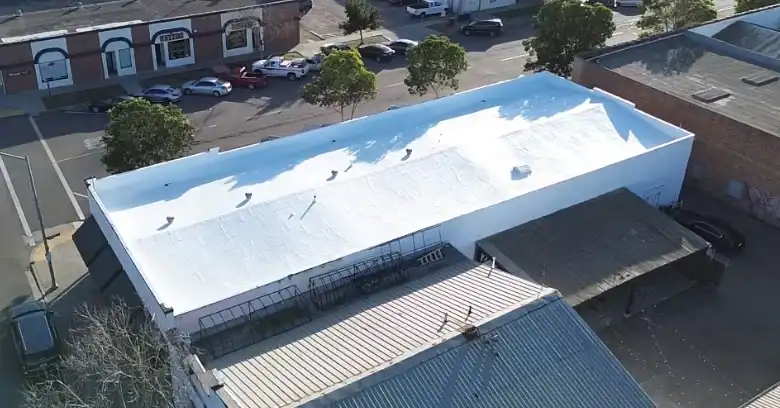
Weighing Flat Roof Companies for a Building in Nipomo California?
Creative Roofing installs membranes, coatings and built-up layers on roofs that barely shed water on their own, throughout Nipomo California and the neighboring communities.
Dial 805-723-2381 and describe what you are seeing up there.
Why Flat Roofs Need Special Care
Where a pitched roof sheds rain in seconds, a level roof holds it for hours or days, so shingles are never the answer. A pinhole in a membrane or a gap in a seam lets in water that sits and keeps seeping, and ask what systems they install most.
Membranes, Built-Up Layers and Coatings
The seams on thermoplastic sheets are fused rather than glued, which makes them strong, and the quality of the welds is the main concern. Rubber membranes are black or white, and the seams are joined with tapes or adhesives, and the system suits many residential flat roofs. Built-up roofing, often called BUR, layers hot or cold asphalt with reinforcing fabric and finishes with gravel or a cap sheet, and the system is heavy compared with single-ply.
Following the Water to Its Source
A careful look at the details finds most of what is wrong, and the field is checked last. Cracked sealant at the top of a wall flashing is one of the most common sources of leaks, and the work is simple for a roofer.
Scuppers, Drains and Slope
Puddles that remain a day or two after rain signal that water is not leaving the roof as it should, and a little care goes a long way. Angled boards under a new membrane direct water toward the drains and eliminate low spots, so ask for a plan to improve drainage.
Strong Sun on a Flat Surface
Heat makes a membrane expand during the day and shrink at night, and sunlight is the main cause of aging. Liquid coatings are rolled or sprayed onto a sound roof to form a continuous reflective skin, so cleaning and repair come first.
What Happens Around Machinery
Every pipe, vent and curb through a flat roof is a place where the membrane has to be cut and sealed, so these spots deserve regular checks. Tools, ladders and dropped objects can cut a sheet, so care is required, and avoid storing items on the roof.
Choosing How Far to Go
A skilled roofer can patch a membrane so that the repair outlasts the surrounding area, and the key is an accurate diagnosis. Adding a new membrane over an existing one is possible in some cases and saves removal costs, and an honest answer starts with a survey. Replacing wet insulation restores the performance of the roof and the comfort of the rooms below, and that is worth keeping in mind.
Residential Low-Slope Roofing
Owners of older homes often discover that an addition from a previous decade was finished with a membrane that has long since worn out, and the wrong material on a flat roof will leak. Leaks that appear in the room next to an addition often trace back to this single joint, and a thorough repair covers the whole junction. A deck surface over a roof has to be lifted to repair the layer beneath, which makes prevention far cheaper than correction, and the details should be planned with the whole project.
What Sits Between the Roof and the Ceiling
A flat roof has little or no attic, so the layers of the roof itself have to do the work that attic insulation and ventilation do on a pitched house, so ask what insulation is part of the proposal. Cutting a small test square is another way to check, and it is sealed again as part of the same visit, so ask whether a survey is part of the process.
Seasonal Checks for a Level Roof
The best time to look at a flat roof is at the end of the dry season, when leaves and debris have piled up and the rains are about to test every drain, and that beats waiting. Branches, loose objects and windblown trash can cut a membrane or block a drain, and they should be removed promptly, and it pays to think it through.
Wind, Edges and Fastening on a Level Roof
Seasonal gusts pull hardest at the perimeter of a low-slope roof, so the fastening pattern is tighter along the edges than in the middle of the field, and expect a specific answer. Gravel on a flat roof is not decoration, because it protects the membrane from sun and holds it in place against uplift, and the gravel does a great deal of quiet work. A careful roofer walks the roof beforehand and counts every penetration, then includes them all in the proposal, and point out anything unusual.
Curbs, Collars and Boots
A curb lifts the opening above the level of standing water, which is the main reason it exists, and the membrane must climb it and be sealed at the top, and that is worth keeping in mind. A roofer who plans the layout of penetrations before the work starts usually delivers a drier roof, so ask about consolidating them. Keeping every outlet clear and in good repair is the most important single habit of flat roof care, and clear them after storms.
What the Paperwork Should Say
The written scope should list the flashing details, the edge metal and the drainage work, and it lets you compare two bids fairly. A roofer with plenty of flat roof experience can explain problems before they occur, and trust the overall impression.
What to Expect on the Days of the Work
Hot-applied and adhesive systems give off smells while they cure, so windows and vents near the work area are usually closed for a day, and tell the crew about pets and schedules.
Common Worries Before a Flat Roof Project
Questions about a level roof are best answered by someone who has looked at it in person, and it pays to think it through.
Talk to Us About Your Flat Roof
Anyone sorting out Flat Roof Companies in Nipomo California is one call away from a straight answer, and 805-723-2381 reaches someone who can help. There is no pressure in asking about a flat roof, and the roof will tell the story once someone looks.
Verified

Verified
Verified
Verified
Verified






















