
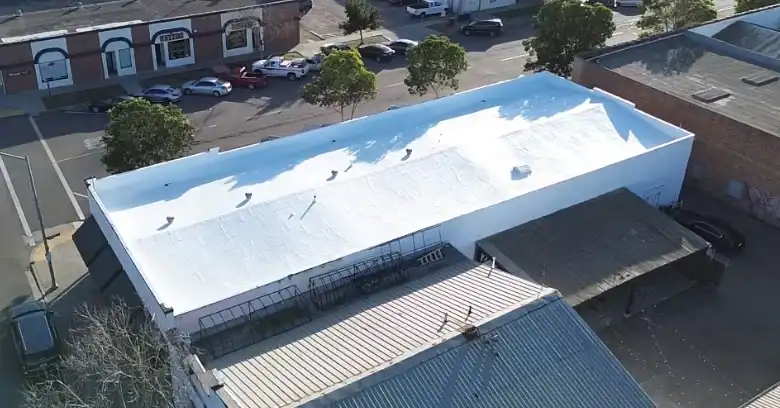
Looking Into Flat Roof Installation in Lompoc California?
Creative Roofing handles the seams, drains and edges where a flat roof succeeds or fails, across Lompoc California and nearby.
Ring 805-723-2381 and tell us about the flat roof you have.
How a Flat Roof Differs From a Pitched One
Where a pitched roof sheds rain in seconds, a level roof holds it for hours or days, and drainage is the central question. A pinhole in a membrane or a gap in a seam lets in water that sits and keeps seeping, and look at examples of their finished work.
A Guide to the Main Options
The seams on thermoplastic sheets are fused rather than glued, which makes them strong, and installation requires trained hands. Rubber membranes are black or white, and the seams are joined with tapes or adhesives, and the seam tape is a point to watch over time. The multiple plies mean that a flaw in one layer is backed up by the next, so the structure has to carry it.
Details That Fail First
The open field of a membrane is usually the toughest part of the whole system, so the inspection follows a set order. Parapet caps and copings protect the top of the wall and must be sound, and redoing sealant is routine upkeep.
Scuppers, Drains and Slope
A roof that holds puddles is telling you about a low spot or a blocked drain, so check drains before the rains begin. Adding drains or enlarging scuppers helps when the old ones were undersized, so ask for a plan to improve drainage.
Strong Sun on a Flat Surface
Ultraviolet light and heat are the main forces that age the surface of a low-slope roof in this region, so the surface slowly dries and cracks. Reflective surfaces keep rooms below cooler and may reduce the load on air conditioning, and the preparation is as important as the product.
Foot Traffic, Equipment and Penetrations
A roof with many openings needs more maintenance than one with few, so these spots deserve regular checks. Roof-mounted air conditioners and other equipment bring service people who walk on the membrane, so ask the roofer to mark and protect the routes.
Matching the Work to the Roof
A skilled roofer can patch a membrane so that the repair outlasts the surrounding area, so ask to see where the water is getting in. Adding a new membrane over an existing one is possible in some cases and saves removal costs, and wet insulation rules out a quick fix. When the roof is saturated, cracked and failing in many places, replacement is the only lasting answer, so begin conversations before the leaks become urgent.
Level Roofs at Home
Many homes combine a pitched main roof with flat sections at the back or the sides, and the two meet in a joint that needs careful flashing, and a shingle crew may not be the right choice. Siding, stucco and trim all have to be worked into the flashing, and the roofer has to cooperate with whoever finished the wall, and a little care goes a long way. Roof decks and patios built over living space need a waterproofing layer under the finished surface, and a failure there can be expensive to reach, and the details are worth a closer look.
Keeping Rooms Cool Below a Flat Surface
Rooms beneath a flat roof often feel warmest in late afternoon, when the surface has soaked up a full day of sun, and the combination is worth planning. Cutting a small test square is another way to check, and it is sealed again as part of the same visit, and that is often cheaper than a full tear-off.
Small Habits That Prevent Big Leaks
Photographs taken each year create a record that makes changes easy to see, and a small repair now is nearly always cheaper. Standing water that remains for days after rain is worth reporting, even if no leak has appeared yet, and cover furniture beneath a drip.
Holding a Membrane Down in a Gust
Edge metal, copings and terminations have to be fastened to a set pattern and sealed at the joints, or wind will find the gap and work it open, and a small problem there grows quickly. A ballasted roof needs a structure strong enough to carry the added load, which is a point to confirm before choosing the system, and the details are worth a closer look. The more complicated the roof, the more a clear written scope matters, since each detail represents a possible source of dispute, so be there for the visit if you can.
Curbs, Collars and Boots
Each opening is a separate detail, and each one should be listed in the written proposal, so ask how every opening will be handled. A roofer who plans the layout of penetrations before the work starts usually delivers a drier roof, and it pays to think it through. A drain bowl that is sealed to the membrane with a clamping ring and sealant keeps water from creeping under the sheet at the outlet, and a blocked outlet loads a roof beyond its design.
Comparing Flat Roofing Proposals
Specific wording is your best protection against disputes, so ask for the details in writing. Find out how drainage will be addressed and whether tapered insulation is included, and notice who answers plainly.
What to Expect on the Days of the Work
Workers on a low-slope roof often arrive early, because the surface heats up quickly and some products behave better in the cool of the morning, and tell the crew about pets and schedules.
Questions Owners Often Ask About Level Roofs
A roof with no visible slope is not necessarily failing, since most are designed with a gentle fall toward the drains, and it pays to think it through.
Next Steps for Your Roof
Those comparing Flat Roof Installation in Lompoc California can reach us by phone, so use 805-723-2381 to set up the next step. Calling before a problem becomes urgent makes it easier to compare options and schedules, so reach out whenever you are ready.
Verified

Verified
Verified
Verified
Verified






















