
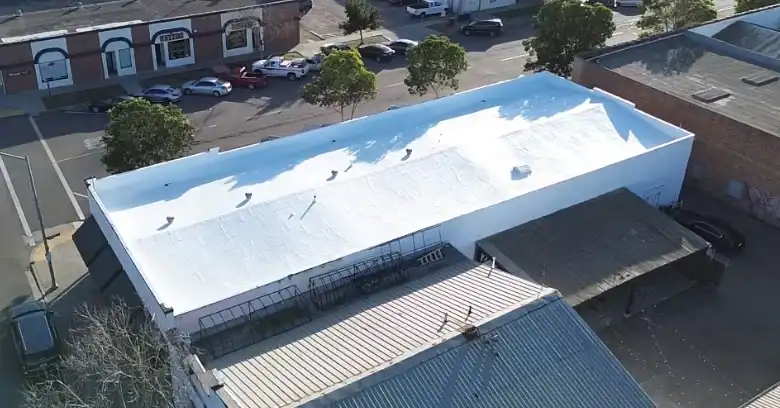
Weighing Flat Roof Coating Serving San Luis Obispo California?
Creative Roofing installs membranes, coatings and built-up layers on roofs that barely shed water on their own, serving owners in San Luis Obispo California and beyond.
Reach us at 805-723-2381 to arrange a visit to look at the roof.
Why Flat Roofs Need Special Care
The gentle angle of a flat roof gives water time to find every weakness, and that is worth keeping in mind. A pinhole in a membrane or a gap in a seam lets in water that sits and keeps seeping, and it pays to think it through.
Types of Flat Roofing
The seams on thermoplastic sheets are fused rather than glued, which makes them strong, and a little care goes a long way. Rubber membranes are black or white, and the seams are joined with tapes or adhesives, so periodic inspections are wise. The multiple plies mean that a flaw in one layer is backed up by the next, and repairs can be made in place.
Details That Fail First
Most flat roof leaks start at a detail rather than in the middle of the roof, and shortcuts miss the trouble. Cracked sealant at the top of a wall flashing is one of the most common sources of leaks, and a small bead of sealant in time prevents a big repair.
Keeping a Level Roof Drained
Ponding is the condition of standing water on a roof, and it accelerates wear on any membrane, and clear leaves and debris from scuppers. Fixing the cause of ponding is better than repeatedly patching its effects, so ask for a plan to improve drainage.
How Heat Wears a Low-Slope Roof
Heat makes a membrane expand during the day and shrink at night, and it is easy to overlook. Silicone, acrylic and elastomeric coatings are the main families used on flat roofs, and the benefit depends on the existing roof.
Anything That Pokes Through or Sits on Top
Skylights and hatches add edges that need careful flashing, and it pays to think it through. Tools, ladders and dropped objects can cut a sheet, so care is required, and a little care goes a long way.
What a Roof Can Still Do
Localized seams, flashings and punctures can be fixed without touching the rest of the roof, and temporary fixes should be called what they are. Testing for moisture shows what the roof can accept, and the survey is worth the small cost. When the roof is saturated, cracked and failing in many places, replacement is the only lasting answer, and it should be planned rather than rushed.
Level Roofs at Home
Many homes combine a pitched main roof with flat sections at the back or the sides, and the two meet in a joint that needs careful flashing, and the repair needs a roofer who works with membranes. A bead of caulk across that joint might hold for a season, but a proper counterflashing is the lasting answer, and a thorough repair covers the whole junction. A deck surface over a roof has to be lifted to repair the layer beneath, which makes prevention far cheaper than correction, and the details should be planned with the whole project.
What Sits Between the Roof and the Ceiling
Because there is often little or no open space under the deck, heat from a hot summer day passes quickly into the rooms below unless the roof is well insulated, and the combination is worth planning. Cutting a small test square is another way to check, and it is sealed again as part of the same visit, and be skeptical of a bid that skips it.
Small Habits That Prevent Big Leaks
A check in early autumn catches clogged drains, lifted seams and cracked sealant before the first storm tests them, and call a roofer if anything looks suspicious. A stain on a ceiling after a storm is a clear signal to have the roof inspected before the next one arrives, and call early rather than late.
Securing the Roof Against the Wind
After a windy spell it is worth checking the perimeter from a ladder for loose trim, lifted seams and curling edges, and expect a specific answer. Gravel on a flat roof is not decoration, because it protects the membrane from sun and holds it in place against uplift, and the details are worth a closer look. Crowded rooftops with many pipes and units are slow to roof, because every obstacle needs its own flashing and sealing, and write everything down.
Skylights, Hatches and Vents on a Level Roof
Replacing a worn skylight and its curb flashing together with the roof is far cheaper than doing the two jobs separately, and no skylight should be roofed over without a plan. Gathering the pipes and conduits into fewer penetrations reduces the number of places where leaks can begin, and a tidy roof is easier to maintain. A drain bowl that is sealed to the membrane with a clamping ring and sealant keeps water from creeping under the sheet at the outlet, and a quick look takes only a minute.
Getting Specific About the System
The written scope should list the flashing details, the edge metal and the drainage work, and read them slowly. The answers tell you more than a brochure or a website ever could, and trust the overall impression.
Preparing the Property for a Membrane Job
Hot-applied and adhesive systems give off smells while they cure, so windows and vents near the work area are usually closed for a day, and the disruption is brief compared with a leak.
Common Worries Before a Flat Roof Project
Plenty of owners assume a membrane has to be replaced at the first sign of wear, when a repair or a coating would have done the job, and an honest opinion is the goal.
Next Steps for Your Roof
Owners weighing Flat Roof Coating in San Luis Obispo California can begin by describing the building and the roof they have, so dial 805-723-2381 when it suits you. Calling before a problem becomes urgent makes it easier to compare options and schedules, and the roof will tell the story once someone looks.
Verified

Verified
Verified
Verified
Verified






















