
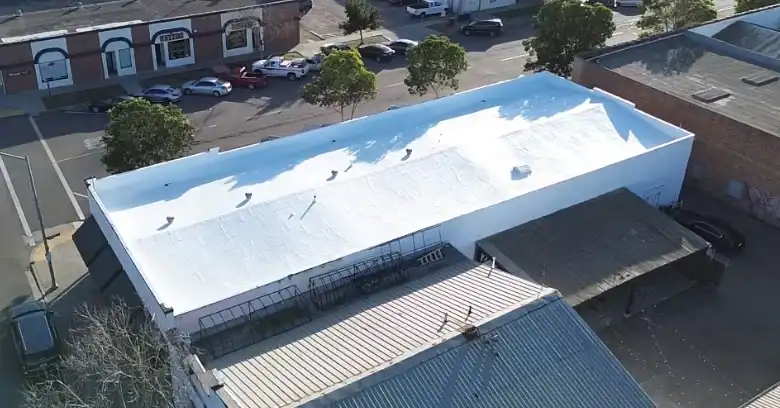
Researching Flat Roof Services in Morro Bay California?
Creative Roofing installs membranes, coatings and built-up layers on roofs that barely shed water on their own, from Morro Bay California out to the surrounding area.
Dial 805-723-2381 and we will explain the options for a level roof.
Roofs That Do Not Shed Water by Themselves
Low-slope roofs rely on a continuous waterproof skin because gravity does little to clear the surface, and that is worth keeping in mind. A flat roof gives little margin for error in the details, so it pays to hire people who work on flat roofs regularly.
The Systems You Will Hear About
TPO and PVC are single-ply sheets that are welded at the seams with hot air, creating a continuous waterproof surface, and the quality of the welds is the main concern. EPDM is a synthetic rubber sheet that is glued or mechanically fastened and has a long record on flat roofs, and punctures can be patched with the same materials. Layered asphalt systems have been used for generations and are valued for redundancy, and the system is heavy compared with single-ply.
Seams, Edges and Where Leaks Start
The open field of a membrane is usually the toughest part of the whole system, so the inspection follows a set order. Cracked sealant at the top of a wall flashing is one of the most common sources of leaks, and a small bead of sealant in time prevents a big repair.
When Water Will Not Leave
Ponding is the condition of standing water on a roof, and it accelerates wear on any membrane, and clear leaves and debris from scuppers. Angled boards under a new membrane direct water toward the drains and eliminate low spots, and it extends the life of the whole system.
Sunshine, Heat and Aging
Ultraviolet light and heat are the main forces that age the surface of a low-slope roof in this region, and sunlight is the main cause of aging. Reflective surfaces keep rooms below cooler and may reduce the load on air conditioning, so cleaning and repair come first.
Protecting the Surface From Wear
Skylights and hatches add edges that need careful flashing, so these spots deserve regular checks. Regular foot traffic wears a path in the surface unless it is protected, and a quick look after any service visit catches new damage.
Choosing How Far to Go
Targeted repairs buy time and protect the interior while a bigger plan is made, and photographs help. When the surface is simply worn, a coating or an overlay can refresh it without a full tear-off, and the survey is worth the small cost. When the roof is saturated, cracked and failing in many places, replacement is the only lasting answer, so begin conversations before the leaks become urgent.
Residential Low-Slope Roofing
Plenty of ordinary houses have a flat or nearly flat section, whether it is a porch, a garage, a bay or the whole roof of a modern design, and the repair needs a roofer who works with membranes. Siding, stucco and trim all have to be worked into the flashing, and the roofer has to cooperate with whoever finished the wall, and a thorough repair covers the whole junction. A roof used as living space has to meet higher standards than one that nobody walks on, and ask about drains and overflows.
Insulation, Slope and Comfort Under a Level Roof
Rooms beneath a flat roof often feel warmest in late afternoon, when the surface has soaked up a full day of sun, and the savings show up in the cooling bill. Water that gets into the insulation layer spreads sideways, so the damp area can be much larger than the visible stain on the ceiling, and that is worth keeping in mind.
Before the Rains and After the Storms
Walking the roof once a year, in a safe and careful way, reveals problems that are invisible from the ground, and the work is quick. Standing water that remains for days after rain is worth reporting, even if no leak has appeared yet, and call early rather than late.
Perimeter Details and Uplift
Seasonal gusts pull hardest at the perimeter of a low-slope roof, so the fastening pattern is tighter along the edges than in the middle of the field, and repairs should not wait for the next storm. Gravel on a flat roof is not decoration, because it protects the membrane from sun and holds it in place against uplift, and the gravel does a great deal of quiet work. The more complicated the roof, the more a clear written scope matters, since each detail represents a possible source of dispute, and it is easy to overlook.
Curbs, Collars and Boots
A curb lifts the opening above the level of standing water, which is the main reason it exists, and the membrane must climb it and be sealed at the top, and expect specific answers. A roofer who plans the layout of penetrations before the work starts usually delivers a drier roof, so ask about consolidating them. Drains and scuppers are also penetrations, and the flashing around them has to be watertight while still letting the water through quickly, so check them often in the rainy months.
Questions for a Flat Roof Contractor
The written scope should list the flashing details, the edge metal and the drainage work, and a careful contractor will explain every line. A roofer with plenty of flat roof experience can explain problems before they occur, so write down what each company says.
What to Expect on the Days of the Work
The crew needs clear access to the roof, a place to set up the equipment and a path for removing old material without crossing living areas, and a short conversation beforehand covers the details.
Common Worries Before a Flat Roof Project
A flat roof is not doomed to leak, and one that is well built and looked after can serve a property for a very long time, and an honest opinion is the goal.
Next Steps for Your Roof
Anyone sorting out Flat Roof Services in Morro Bay California is one call away from a straight answer, and 805-723-2381 reaches someone who can help. Planning ahead usually leads to better choices than reacting to an emergency, so reach out whenever you are ready.
Verified

Verified
Verified
Verified
Verified






















