
Planning New Roof Services in San Luis Obispo California?
Creative Roofing stays with a roofing project from the first walk-around to the final check, working in San Luis Obispo California and nearby.
Phone 805-723-2381 and we will talk through what the roof needs.
Before Anything Is Torn Off
A roofing project begins with a close look at the surface, the edges and the pipes, since guessing from the ground leads to surprises later. A proper look covers the slopes seen from the yard and the ones that are not, and that is the evidence a sensible plan is built on.
Heat is the quiet cause behind much of the wear seen on roofs here, and a roofer who knows the area expects exactly that.
Deciding What the Roof Needs
Some roofs need a patch, some need a section redone, and some have reached the end of the road, and the reasons should be easy to follow. Damage should be shown rather than only described, and the answer tells you a lot.
Rotted or soft sheathing changes the plan and often the schedule, and it is easy to overlook.
Choosing Materials for Your Home
The common choices are shingle, tile and metal, and each suits some houses better than others, so structure comes first and appearance second. Sun exposure makes color a practical question as well as a visual one, and a full-size piece seen outdoors beats a catalog picture.
Planning for Rain and Heat
For most of the year the weather here lets a roof go on with few interruptions, and a careful crew never leaves an opening to chance. On very hot afternoons shingles soften and workers slow down, and finishing early keeps people and materials in better shape.
Removing the Old Roof
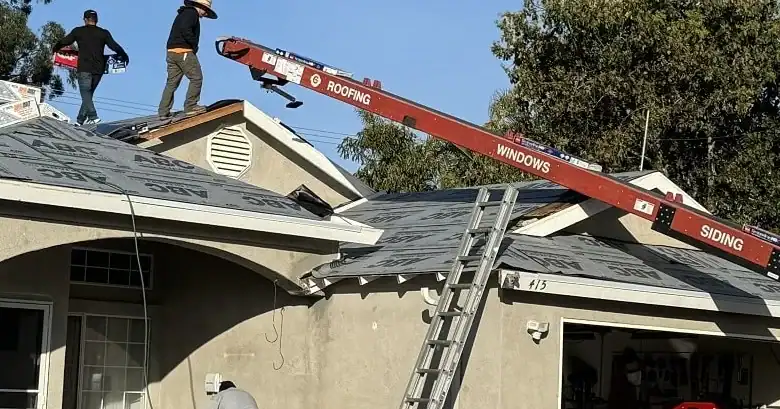
Taking the old roof off is the noisiest and messiest part of the job, and the details are worth a closer look. Soft or split sheathing is cut out and new panels are fastened down, since good materials laid over a weak deck do not last.
Underlayment and Drying In
Underneath the visible covering sits a water-resistant layer that does much of the work, and chimneys get particular care. Drying in gives the crew a margin against surprise weather, so the rest of the work can proceed without worry.
Small Metal Pieces, Large Consequences
Water finds the joints first, so flashing matters, and it pays to think it through. Vent boots and pipe collars are rubber or lead pieces that wear out before the roof does, and a little care goes a long way.
Ventilation in a Warm Climate
A roof without enough ventilation bakes the attic and everything stored in it, and vents at the eaves let cooler air in. Adding vents at random may do little more than cut holes in the roof, because airflow is easy to plan now and hard to add later.
Leaving the Property Clean
When the last piece is installed, the cleanup begins, and a magnetic sweep picks up stray nails. Photographs of the completed work are worth having for your own records, and it only takes a few minutes.
What the City Wants to See
Replacing a roof usually involves the local building department in some way, so it is fair to ask who pulls the permit. Fire safety rules in some neighborhoods affect which coverings are allowed, since the covering you pick has to be one the town accepts. Vague wording on a proposal is a reason to ask questions, because what is written down is what everyone remembers.
Protecting the House and Yard
A roofing job puts a lot of weight, noise and debris around a house, so tarps and plywood go down where debris will land. Pets, children and cars are best kept away from the work area, and a short talk the evening before covers the details. Hammering on the deck above can rattle a ceiling and drop dust into the rooms below, so it is wise to take down fragile pictures first.
Noise, Neighbors and Daily Life
Timing depends on the size of the roof, the complexity of the layout and the covering chosen, so ask for the expected start and finish up front. Neighbors appreciate a heads-up before the noise begins, and early starts mean early noise. Working from home during a roof job is possible, though not always pleasant, so consider a day out of the house if you can.
What to Ask Every Roofer
Ask how the roof will be ventilated and how the flashing will be handled, and anything left vague deserves a follow-up. Ask for the materials by name and manufacturer so you can look them up, so ask before you sign anything. Ask what happens if something unexpected turns up under the old roof, and settle it before the first day.
Maintenance After the Job
Checking the roof twice a year takes only a few minutes, so put it on the calendar like any other chore. Sweeping leaves off the roof and out of valleys prevents trouble, and a small broom is often enough. Missing pieces, lifted edges or a new stain are all reasons to have someone look, so do not wait for the next storm.
When to Schedule the Work
Many homeowners wait until a leak appears before they think about a roof, and a little care goes a long way. Spring can bring the first showers, so flexibility helps, so do not feel the choice is locked in.
Attic Findings That Change the Plan
Insulation in the attic that is compressed, wet or missing should be noted, since a new roof is a good time to fix the whole assembly, and it is easy to overlook.
Next Steps for Your Roofing Project
Homeowners comparing New Roof Services in San Luis Obispo California can simply pick up the phone, with 805-723-2381 ready whenever you are. Large or small, a roofing project goes best when the plan is clear before the work starts, and that is worth keeping in mind. Putting off a roof question rarely makes it easier to answer, and it pays to think it through.
Verified

Verified
Verified
Verified
Verified






















