
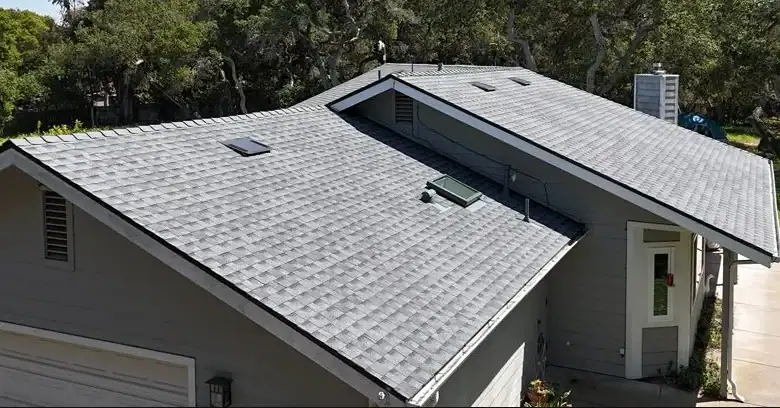
Comparing Asphalt Shingle Roofs Close to Lompoc California?
Creative Roofing works with layered shingles, starter strips, underlayment and ridge caps, from Lompoc California out to the surrounding area.
Ring 805-723-2381 to talk through shingle styles and what suits the home.
What a Shingle Roof Is Made Of
Each shingle is a thin sandwich of mat, asphalt and stone granules, and the granules protect the asphalt from the sun. Granule loss is the clearest sign that a shingle is wearing out, and it pays to think it through.
How Shingle Lines Differ
A three-tab shingle has a flat, uniform look and the thinnest profile of any common type, and the saving is real but so is the shorter life. Dimensional shingles imitate the look of shake or slate at a modest cost, and the details are worth a closer look. A luxury shingle uses extra layers and special granules to create a handcrafted appearance, and the added weight is a benefit in wind.
How California Weather Wears a Shingle
Heat, ultraviolet light and temperature swings wear the surface steadily, and that is worth keeping in mind. Edges that lift, corners that curl and surfaces that crack all point to age, and photographs make a useful record.
Light Versus Dark
Shingles in dark shades absorb more heat, and they can run noticeably hotter on a summer afternoon, and a sample held up outdoors shows the shade truthfully. Reflective granules can bring a dark color closer to the performance of a light one, and the actual benefit depends on the house.
Nails, Courses and Starter Strips
Nails driven too high or too low weaken the hold of the whole course, and a crew that cuts corners here causes trouble later. Each course overlaps the one below so that water always sheds over a solid layer, so a good crew follows the layout exactly. A properly installed ridge looks neat and stays tight against the weather, and replacing a ridge is simple when done in time.
Wind, Seasonal Gusts and Sealing
A shingle that never sealed can lift and flap in a gust, and checking for lifted tabs after a windy spell is a good habit. Edges and ridges are where wind does the most damage, and a pattern of lifting suggests the roof is aging.
Heat Trapped Below Shortens the Roof
Airflow under the deck helps a shingle roof reach its full useful life, and the eaves and the ridge are where the vents belong. More vents is not better, and mixing types can short-circuit the flow, and fixing ventilation is far easier during a re-roof.
Valleys, Walls and Pipes
The shingles shed most of the water, but the underlayment handles the rest, and the choice affects how the roof performs. Valley flashing has to be formed correctly and sealed well, or water finds a way in, so quality work here matters a great deal.
Spotting Trouble Early
Cracks, missing pieces and exposed nails are all signals worth acting on, so take the whole picture into account. Isolated problems from a branch or a loose tab respond well to a simple repair, and a good roofer will tell you when a repair is enough. When the whole roof is brittle, curling and shedding granules, repairs become a losing game, and that is worth keeping in mind.
What Lies Under the Existing Roof
Down to bare wood is how a careful crew starts, because new shingles are only as sound as the surface they are nailed to, and it pays to think it through. Overlaying is a shortcut that a careful roofer will explain before agreeing to it, and the decision deserves a little thought. Damaged decking is the most common surprise on a roofing job, and a good proposal says how it will be handled, and good communication keeps everyone calm.
What the Site Should Look Like at the End
A shingle tear-off throws old material in every direction, so a careful crew covers plants, vents and the ground before the first piece comes off, and move vehicles and furniture the night before. Rolling magnets across the lawn, the driveway and the planting beds collects what a rake and the eye miss, and that is worth keeping in mind. Downspouts that carry water well away from the house protect both the new roof and the walls beneath it, and a clear gutter is cheap protection.
When to Schedule a New Roof
Asphalt shingles seal themselves down with heat from the sun, so warm, dry days produce the best bond and the neatest finish, and the calendar is only part of the question. On a scorching day the surface of a roof becomes too hot to handle, and the asphalt softens enough to mark if walked on carelessly, and a rushed job in extreme heat is a poor bargain.
Skylights, Chimneys and Solar Panels
Skylights and chimneys are best flashed with new metal whenever the shingles are replaced, since reusing old pieces under a new roof invites a leak, and replacing them together saves money. Replacing a roof beneath an existing array is a coordination job involving the roofer and the solar company, and the order of the work matters a great deal.
Why a Patch Rarely Matches Perfectly
Manufacturers change colors and blends over time, so an exact match for a discontinued shingle may simply not exist anymore, and a small color difference is not a defect.
Where Shingles End and Gutters Begin
Without proper edging, rain can wick behind the shingles and attack the sheathing and fascia board over the following seasons, so look at them before the work starts.
Questions for a Shingle Roofer
A good proposal names the shingle line, the color, the underlayment and the flashing materials, and a thorough contractor will be happy to explain. Check what happens if damaged sheathing is found once the old roof is off, so take notes during the conversation.
Next Steps for Your Roof
Those comparing Asphalt Shingle Roofs in Lompoc California can reach us by phone, so use 805-723-2381 to set up the next step. Even a quick call can clear up questions about shingle grades, colors and timing, and that is worth keeping in mind.
Verified

Verified
Verified
Verified
Verified






















