
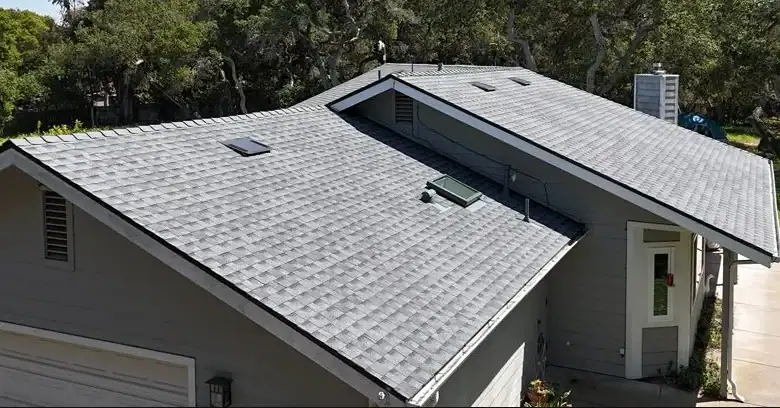
Shopping for Asphalt Shingle Roof Installations Around Nipomo California?
Creative Roofing installs and repairs the shingle coverings found on most houses in the area, throughout Nipomo California and the neighboring communities.
Phone 805-723-2381 to talk through shingle styles and what suits the home.
Layers You Cannot See From the Street
Each shingle is a thin sandwich of mat, asphalt and stone granules, and the mat gives the piece its strength. A shingle that has lost its granules is losing its sunscreen, and it pays to think it through.
Three-Tab, Architectural and Designer Lines
Older houses often wear three-tab shingles because they were once the standard, so many homeowners compare it with thicker lines. Laminated shingles are thicker, heavier and more dimensional than flat strip shingles, and the difference shows in the finished roof. Premium and luxury lines go further, with thicker laminates, deeper shadow lines and designer shapes, and it is easy to overlook.
How California Weather Wears a Shingle
Heat, ultraviolet light and temperature swings wear the surface steadily, and the effects are visible on the south and west slopes first. Blisters appear when trapped moisture or heat pushes up the surface, so they deserve attention before the rainy season.
Color Choices for a Sunny Climate
The color of a roof affects both its appearance and its temperature, and a little care goes a long way. Some manufacturers offer cool-roof shingles with special granules that reflect more infrared light, and local rules sometimes encourage them.
How Shingles Are Laid
The number and position of nails are set by the manufacturer for a reason, and it is easy to overlook. Each course overlaps the one below so that water always sheds over a solid layer, and the pattern is part of the manufacturer specification. Ridge caps finish the roof where two slopes meet and shed water over the crest, and it pays to think it through.
How Shingles Resist Wind
Shingles have a strip of adhesive that bonds each course to the one below once the sun warms it, and a roof installed in summer bonds quickly. A creased or missing shingle after a gust is a sign that the adhesive has failed, and a prompt repair prevents a leak.
Heat Trapped Below Shortens the Roof
Heat that cannot escape from the attic speeds the aging of the roof deck and the shingles, and the plan should be part of the proposal. The right combination depends on the shape of the roof and the size of the attic, so ask what will be done about ventilation.
The Details Beneath and Beside the Field
The shingles shed most of the water, but the underlayment handles the rest, and the choice affects how the roof performs. Every pipe and vent through the deck needs a boot or collar that is sealed and replaced with the roof, and these details cause most leaks on shingle roofs.
When a Shingle Roof Is Telling You Something
Granules in the gutters, curling edges and bald spots are the most reliable signs of an aging shingle roof, so take the whole picture into account. Isolated problems from a branch or a loose tab respond well to a simple repair, and it is easy to overlook. A roof that is worn out everywhere will keep leaking in new places however many patches it gets, so plan the project before the leaks begin.
What Lies Under the Existing Roof
Down to bare wood is how a careful crew starts, because new shingles are only as sound as the surface they are nailed to, and anything hidden gets found at this point. Laying new shingles over old ones is sometimes allowed, but it hides the deck and adds weight to the structure, so ask for both options in writing. Damaged decking is the most common surprise on a roofing job, and a good proposal says how it will be handled, and good communication keeps everyone calm.
Cleanup, Nails and Protecting the Property
A shingle tear-off throws old material in every direction, so a careful crew covers plants, vents and the ground before the first piece comes off, and the crew returns it to normal when finished. Nails are the main hazard left behind after any roofing job, and a magnetic sweep of the yard and driveway is standard practice, and that is worth keeping in mind. Gutters should be cleared of granules and debris once the new roof is on, since the first rains will wash any leftovers into the downspouts, and it pays to think it through.
When to Schedule a New Roof
Most replacements here are scheduled for the long dry season, which gives the roof time to settle before the first winter storm, so booking ahead is wise. Very hot afternoons can scuff new shingles underfoot and make nails harder to drive cleanly, so many crews start at dawn in midsummer, and patience pays off in the finished roof.
Rooftop Additions and Shingle Work
A re-roof is the right moment to replace worn skylight curbs, chimney flashing and cracked sealant, before they cause trouble, and mention any plans to add more later. Mounting brackets pierce the roof, and the seals around them age on the same schedule as the shingles beneath, and the order of the work matters a great deal.
Making a Repair Look Right
A roofer can often borrow shingles from a hidden slope or the back of the house to repair a more visible area, which gives the best match, so ask the roofer what to expect.
Protecting the Fascia and the Foundation
Shingles should overhang the drip edge by a small, consistent amount so that water drops cleanly into the gutter instead of curling back under, so look at them before the work starts.
Getting Specific About the Product
A proposal that only says new shingles leaves out the details that matter, so ask for details in writing. Ask how many layers of old roofing will be removed and how the deck will be inspected, and compare the replies from each company.
Talk to Us About a Shingle Roof
Homeowners weighing Asphalt Shingle Roof Installations in Nipomo California can begin by describing the house and the look they want, so use 805-723-2381 to set up the next step. Whether the roof is leaking now or you are planning ahead, an early conversation keeps your options open, so reach out whenever you are ready.
Verified

Verified
Verified
Verified
Verified






















