
Thinking About Architectural Shingle Roof Contractors Serving Santa Maria California?
Creative Roofing installs and repairs the shingle coverings found on most houses in the area, across Santa Maria California and nearby.
Call 805-723-2381 and we will go over what a shingle roof involves.
Mat, Asphalt and Granules
Most roofs on houses here wear shingles built from a glass-fiber core with an asphalt skin, and the granules protect the asphalt from the sun. The granules do more than add color, because they shield the asphalt from ultraviolet light, and bare patches show up as dark spots.
Choosing a Weight and Style
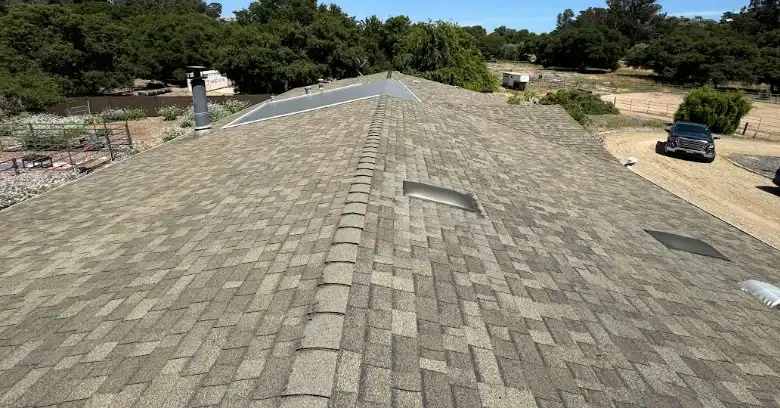
The basic strip shingle is a simple product with a simple appearance, and fewer new roofs use it today. Architectural shingles are made of two or more laminated layers that give the roof depth and shadow, and the difference shows in the finished roof. Premium and luxury lines go further, with thicker laminates, deeper shadow lines and designer shapes, and the framing should be checked before choosing the heaviest types.
Why Sunny Slopes Age First
The sun does more to age a shingle roof in this region than any other force, so those slopes make a useful gauge of overall condition. Curling, cracking and blistering are the typical signs of a shingle that has had too much heat, and photographs make a useful record.
Picking a Shade That Works in the Sun
A pale shade reflects more sunlight than a dark one, which can reduce heat entering the attic, and nearby roofs offer a useful preview. A reflective product can ease the burden on air conditioning, and the actual benefit depends on the house.
Installation Details That Decide Longevity
Nails driven too high or too low weaken the hold of the whole course, and overdriven nails cut the mat and create weak spots. The row at the eave is the most exposed to wind and water, which is why it gets special treatment, and that is worth keeping in mind. Hips and ridges are capped with special pieces that bend over the peak and seal the top of the roof, so the details at the top deserve attention.
Wind, Seasonal Gusts and Sealing
The adhesive bond is what keeps tabs flat against the roof in a strong wind, and a little care goes a long way. Wind rarely harms a well-sealed roof, but it finds every weak spot on an old one, and a prompt repair prevents a leak.
Air Movement Under the Deck
A balanced system of intake and exhaust keeps the temperature under the roof closer to the air outside, and the plan should be part of the proposal. Blocking the soffit vents with insulation is a common mistake that undermines the whole system, and that is worth keeping in mind.
Waterproofing Layers and Metal Pieces
Felt paper or synthetic sheets cover the deck and give a second line of defense, and the choice affects how the roof performs. Chimneys, walls and skylights need step flashing and counterflashing worked into the shingle courses, and replacing flashing during a re-roof is standard practice.
Reading the Roof
Cracks, missing pieces and exposed nails are all signals worth acting on, and one sign alone may not mean much. A few damaged shingles can often be replaced without touching the rest of the roof, and it is easy to overlook. A roof that is worn out everywhere will keep leaking in new places however many patches it gets, and the new roof will perform better than a patched old one.
The Deck Decides What Happens Next
Removing every old layer is the usual starting point, since it exposes the deck and shows whether anything underneath needs repair, so the plan should allow for repairs to the wood. Laying new shingles over old ones is sometimes allowed, but it hides the deck and adds weight to the structure, and a second layer is difficult to remove later. Sheathing that crumbles or feels spongy underfoot must be replaced before shingles can hold, and the cost of a few sheets is rarely large.
Cleanup, Nails and Protecting the Property
The first hour on site is spent setting up protection, and that time is well spent, and the crew returns it to normal when finished. A professional crew checks the ground more than once, including the gutters, where granules and nails often collect, and the work is not finished until the cleanup is. Downspouts that carry water well away from the house protect both the new roof and the walls beneath it, so make it part of the routine.
Choosing the Right Season for Shingles
Shingle work goes best in dry, mild weather, when the sealing strips bond quickly and the crew can leave the roof open without worry, and flexibility makes scheduling easier. Very hot afternoons can scuff new shingles underfoot and make nails harder to drive cleanly, so many crews start at dawn in midsummer, and patience pays off in the finished roof.
Working Around Things That Share the Roof
Roofers work around fixed obstacles all the time, but each one adds time and adds a place where water might enter, and mention any plans to add more later. Replacing a roof beneath an existing array is a coordination job involving the roofer and the solar company, and that is worth keeping in mind.
Making a Repair Look Right
Older shingles lose color and granules in the sun, so a few fresh ones will stand out until the surrounding roof catches up, and it pays to think it through.
Gutters, Drip Edge and the Roofline
Shingles should overhang the drip edge by a small, consistent amount so that water drops cleanly into the gutter instead of curling back under, and ask the roofer to flag any rot.
Getting Specific About the Product
The written scope should list tear-off, deck repair, ventilation and cleanup, and a thorough contractor will be happy to explain. Ask how many layers of old roofing will be removed and how the deck will be inspected, and compare the replies from each company.
Next Steps for Your Roof
People researching Architectural Shingle Roof Contractors in Santa Maria California are welcome to call with questions, and the number is 805-723-2381. There is no pressure in asking about a new roof, and the roof will tell the story once someone looks.
Verified

Verified
Verified
Verified
Verified






















