
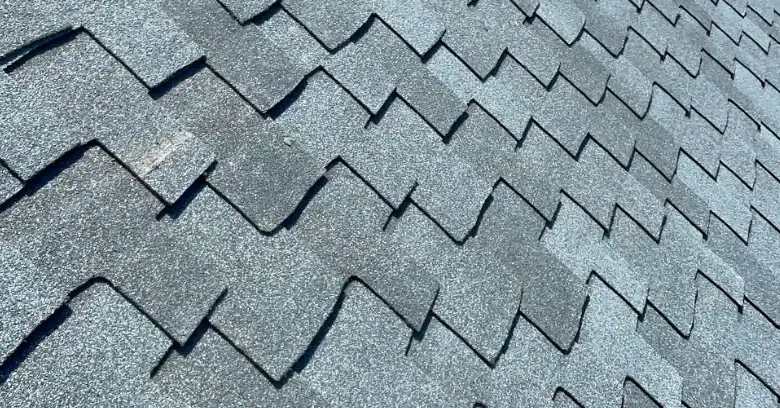
Thinking About Premium Shingle Roof Installations in Central Coast California?
Creative Roofing lays asphalt, architectural and designer shingles over carefully prepared decks, from Central Coast California out to the surrounding area.
Dial 805-723-2381 to talk through shingle styles and what suits the home.
Layers You Cannot See From the Street
Most roofs on houses here wear shingles built from a glass-fiber core with an asphalt skin, and the granules protect the asphalt from the sun. Without a surface of mineral granules, the asphalt beneath would dry and crack in a short time, so a handful of grit in a downspout tells a story.
Shingle Grades Explained
The basic strip shingle is a simple product with a simple appearance, and fewer new roofs use it today. Laminated shingles are thicker, heavier and more dimensional than flat strip shingles, and the details are worth a closer look. The top of the range offers the richest textures and the greatest thickness, so the roof feels more substantial.
How California Weather Wears a Shingle
Months of direct sunshine take a toll that the eye picks up slowly, and the difference shows how much the sun contributes. A shingle that has begun to curl no longer lies flat against the roof, and each one is a place a leak can start.
Light Versus Dark
The color of a roof affects both its appearance and its temperature, and a little care goes a long way. Cool shingle lines are designed to lower roof temperatures without changing the look much, and the details are worth a closer look.
How Shingles Are Laid
Shingles are fastened with nails placed in a specific spot, and a few inches either way changes how well they hold, and check that they are driven flush. The row at the eave is the most exposed to wind and water, which is why it gets special treatment, so a good crew follows the layout exactly. A properly installed ridge looks neat and stays tight against the weather, so the details at the top deserve attention.
Seal Strips and Warm Weather
The adhesive bond is what keeps tabs flat against the roof in a strong wind, and the nails hold the rest. Edges and ridges are where wind does the most damage, and a prompt repair prevents a leak.
Attic Ventilation and Shingle Life
A balanced system of intake and exhaust keeps the temperature under the roof closer to the air outside, so check that the soffit openings are not blocked by insulation. Attic fans, gable vents and ridge vents each work differently and should not fight each other, and a roofer can assess the layout in a short visit.
Valleys, Walls and Pipes
Felt paper or synthetic sheets cover the deck and give a second line of defense, so ask which product is going on. Every pipe and vent through the deck needs a boot or collar that is sealed and replaced with the roof, and replacing flashing during a re-roof is standard practice.
Reading the Roof
Several signs together point to a roof that needs more than a patch, and a roofer can sort the serious from the cosmetic. Isolated problems from a branch or a loose tab respond well to a simple repair, so ask for photographs of the problem areas. Putting money into a failing roof delays the inevitable and may cost more in the end, and the new roof will perform better than a patched old one.
Tear-Off, Layers and the Deck Beneath
Removing every old layer is the usual starting point, since it exposes the deck and shows whether anything underneath needs repair, and it pays to think it through. Local rules often limit the number of layers a roof may carry, and many roofers prefer a clean start in any case, so ask for both options in writing. Damaged decking is the most common surprise on a roofing job, and a good proposal says how it will be handled, so ask how surprises will be handled.
Respect for the House and Garden
The first hour on site is spent setting up protection, and that time is well spent, and the crew returns it to normal when finished. Nails are the main hazard left behind after any roofing job, and a magnetic sweep of the yard and driveway is standard practice, and that is worth keeping in mind. Downspouts that carry water well away from the house protect both the new roof and the walls beneath it, so make it part of the routine.
Dry Months and Warm Days
Most replacements here are scheduled for the long dry season, which gives the roof time to settle before the first winter storm, so booking ahead is wise. Heat is a normal part of summer roofing, and a good crew plans the day around it rather than fighting it, and the schedule bends to the weather.
Working Around Things That Share the Roof
Roofers work around fixed obstacles all the time, but each one adds time and adds a place where water might enter, and a thorough roofer will count them. Anyone considering rooftop solar should have the age and condition of the shingles assessed first, so ask both contractors how they would proceed.
Why a Patch Rarely Matches Perfectly
Some visual difference is normal after a repair, and it fades as the new pieces weather, and a small color difference is not a defect.
Protecting the Fascia and the Foundation
Shingles should overhang the drip edge by a small, consistent amount so that water drops cleanly into the gutter instead of curling back under, and fixing it now costs less than later.
Questions for a Shingle Roofer
The written scope should list tear-off, deck repair, ventilation and cleanup, so ask for details in writing. Find out how the crew will protect the house and landscaping during the work, so take notes during the conversation.
Ready to Compare Options
Those comparing Premium Shingle Roof Installations in Central Coast California can reach us by phone, and 805-723-2381 reaches someone who can help. There is no pressure in asking about a new roof, and we are glad to help you sort it out.