
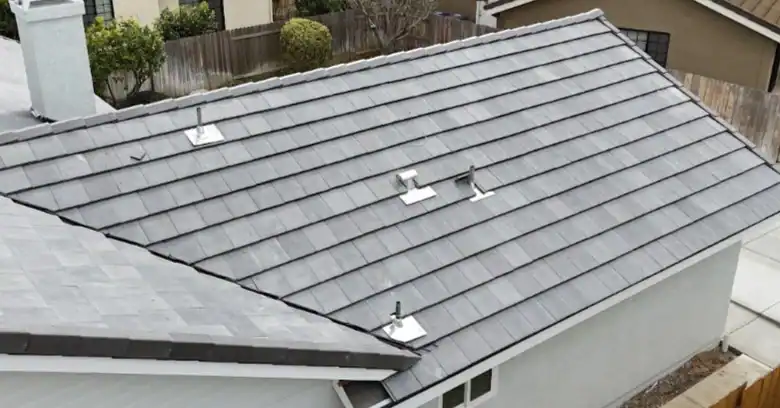
Thinking About Concrete Tile Roofs Serving Santa Maria California?
Creative Roofing works with clay and concrete roofing units, from a single cracked piece to a full re-lay, from Santa Maria California out to the surrounding area.
Phone 805-723-2381 and describe the roof and what you are seeing.
A Heavy Covering With a Long History
Clay and concrete units are individual pieces hung on a roof, overlapping like fish scales to shed water, so the layers below matter more than most people expect. Each type comes in profiles from rounded barrels to flat slabs and interlocking shapes, and it pays to think it through.
Structure First, Style Second
The weight of the roof is the first question to settle before changing from lighter material, and it should happen before materials are ordered. Rotted rafters or sheathing must be repaired before heavy material goes back on, and the details are worth a closer look.
The Hidden Layer That Does the Work
Water gets under the pieces during wind-driven rain, and the underlayment carries it down and out, so even a good surface can hide a tired layer. The felt paper on older roofs becomes brittle and breaks when the pieces are lifted, and that is worth keeping in mind.
Dry Climate, Durable Roof
Long dry summers are easy on the material itself, though the layers underneath age in the heat, and it pays to think it through. Moss and lichen are less of a problem in dry summers, though shaded areas may collect some, so ask before assuming the roof is failing.
Walking on a Fragile Roof
A cracked unit lets water reach the underlayment, which is meant for backup rather than constant exposure, and replacing a broken piece is a quick job. A short inspection after any work on the roof catches damage early, and it is easy to overlook.
Where Pieces Meet Walls and Each Other
Valleys carry the most water on a roof, and the metal channel beneath the pieces must be sound, and metal valleys should be replaced during a re-lay. Ridge and hip pieces are bedded in mortar or fastened with mechanical systems, and the old mortar often fails before the roof does, and the repair is far less costly than water damage.
Wildfire Season and Fire Resistance
Though heavy, individual pieces must be fastened properly or they can slide or lift in strong gusts, and the attachment method should be in the proposal. Keeping the roof and gutters clear of leaves and needles is part of staying safe, and the details are worth a closer look.
Deciding What an Aging Roof Needs
The decision depends on how many pieces are cracked and how the underlayment is holding up, and it is easy to overlook. Replacing the whole roof is the right call when the pieces themselves are failing, the framing is damaged or the style no longer suits the house, and the structure should be reviewed first.
How Units Are Bedded and Secured
Foam adhesives are widely used to secure units, particularly in areas where wind is a concern, because they bond quickly and resist uplift, and it pays to think it through. Replacing these strips during a re-lay is inexpensive, and it improves both fire resistance and cleanliness, and a tidy edge looks better as well.
Cleaning a Heavy Roof Without Damaging It
Surface growth tends to be slower in dry summers, though shaded areas may still collect some, and the details are worth a closer look. Pressure washers can strip the coating from concrete units and force water under the overlaps, so they are best avoided or used with great care, and fix any breakage before the rains.
Underlayment Choices and Upgrades
Heavy felt, synthetic sheets and self-adhering membranes are the common options, and they differ in heat resistance and tear strength, and why. A sticky rubberized sheet seals around fasteners and clings to the deck, providing waterproofing even if the surface layer is breached, and it adds only modestly to the cost.
Solar Panels, Skylights and Heavy Roofs
Each penetration through the covering is a place where a unit must be cut, and cut pieces are more likely to crack later, and ask who is responsible for the seals. Every person who climbs onto a roof of this kind risks cracking something, so access should be limited to those who know how to walk it, so make it a habit to ask about the roof. Metal valley liners should be inspected for rust, pinholes and loose edges, since they carry more water than any other part of the roof, and the dry season is the time to do it.
How the Two Kinds Differ
Cast from cement and sand, concrete units take their color from pigment in the mix or from a coating applied to the surface, so ask to see samples of both. Flat profiles give a contemporary look and are often used on modern houses, while barrel shapes suit traditional architecture, and a good supplier will lend a few.
Getting Specific About a Heavy Roof
Look for details on the underlayment type, the valley metal and the ridge system, so ask for them before signing. Questions about experience are reasonable, and the answers say a great deal, and trust the tone of the conversation.
From Lifting the Units to Setting Them Back
Sorting the units as they come off lets the roofer count how many replacements will be needed and order matching pieces, and the whole process takes patience.
Roofs of Fired Clay and Concrete in Wind and Fire Country
Trimming branches back from the roof and keeping a clear margin around the house reduces the risk to the roof and the building, and that is worth keeping in mind.
Notes That Help the Next Owner
Photographs taken during the work show what lies under the units, which is a view that nobody sees again for decades, and store them with the house papers.
Start the Conversation
A conversation about Concrete Tile Roofs in Santa Maria California usually starts with the age and condition of the roof, with 805-723-2381 ready whenever you want to talk. Planning ahead usually leads to better choices than reacting to an emergency, and the roof will tell the story once someone looks.
Verified

Verified
Verified
Verified
Verified






















