
Choosing Luxury Shingle Roofs in Santa Barbara California?
Creative Roofing works with layered shingles, starter strips, underlayment and ridge caps, across Santa Barbara California and nearby.
Dial 805-723-2381 to set up a visit to look at your shingles.
Mat, Asphalt and Granules
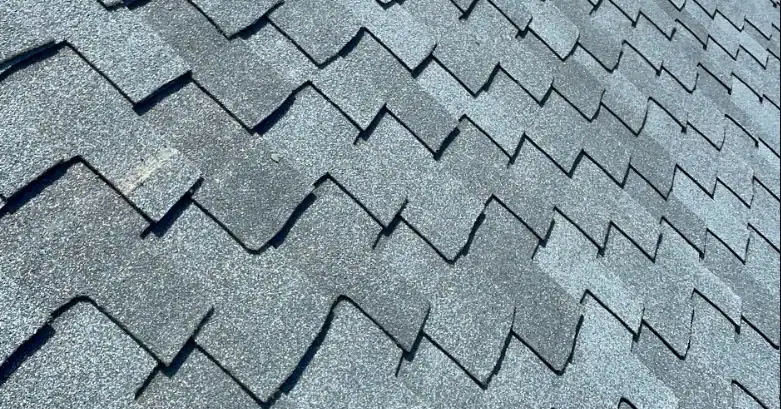
An asphalt shingle is a fiberglass mat soaked in asphalt and covered with ceramic-coated granules, so the whole shingle depends on all of them. Stone granules reflect part of the sun and keep the asphalt from baking, so a handful of grit in a downspout tells a story.
How Shingle Lines Differ
Flat shingles of this style are economical but wear out sooner than thicker kinds, and it remains a reasonable choice in some situations. Most new roofs on houses today use architectural shingles, which look richer and resist wind better, and the thicker body stands up better to sun. Higher grades cost more, and the look is the main reason to pay for them, and the added weight is a benefit in wind.
Heat Is the Slow Enemy
Heat, ultraviolet light and temperature swings wear the surface steadily, and the shaded side tells a different story. Cracks across the face open the way for water to reach the layers below, and photographs make a useful record.
Cool Shingles and Heat Gain
Shingles in dark shades absorb more heat, and they can run noticeably hotter on a summer afternoon, and a little care goes a long way. Some manufacturers offer cool-roof shingles with special granules that reflect more infrared light, and the details are worth a closer look.
Fastening Patterns and Why They Matter
Fastening is the quiet detail that separates a durable roof from a poor one, and it is easy to overlook. Starter shingles at the bottom edge anchor the first row and keep wind from getting underneath, and the pattern is part of the manufacturer specification. Ridge caps finish the roof where two slopes meet and shed water over the crest, and replacing a ridge is simple when done in time.
Holding Down Under Pressure
Shingles have a strip of adhesive that bonds each course to the one below once the sun warms it, and a roof installed in summer bonds quickly. A creased or missing shingle after a gust is a sign that the adhesive has failed, and a prompt repair prevents a leak.
Attic Ventilation and Shingle Life
A hot attic cooks the shingles from underneath, and the damage adds to what the sun does on top, and ridge vents work well with soffit intake. The right combination depends on the shape of the roof and the size of the attic, so ask what will be done about ventilation.
Valleys, Walls and Pipes
The shingles shed most of the water, but the underlayment handles the rest, and it pays to think it through. Chimneys, walls and skylights need step flashing and counterflashing worked into the shingle courses, and a little care goes a long way.
Signs of Wear and Choosing Repair or Replacement
Several signs together point to a roof that needs more than a patch, and the details are worth a closer look. Spot repairs are a good choice when most of the roof still has plenty of life left, so ask for photographs of the problem areas. A roof that is worn out everywhere will keep leaking in new places however many patches it gets, so plan the project before the leaks begin.
The Deck Decides What Happens Next
Most shingle replacements begin with a full tear-off, in which the old layers are stripped away and the plywood or boards beneath are laid bare, and the bare deck is also the moment to check ventilation openings. Local rules often limit the number of layers a roof may carry, and many roofers prefer a clean start in any case, and a little care goes a long way. Rotted boards and delaminated plywood are usually found around leaks, valleys and plumbing vents, and expect a call with photographs.
What the Site Should Look Like at the End
A shingle tear-off throws old material in every direction, so a careful crew covers plants, vents and the ground before the first piece comes off, and move vehicles and furniture the night before. Tires and bare feet find stray nails more often than anyone expects, so a thorough pickup at the end is essential, and it is reasonable to inspect it together. Letting grit and leaves pile up in a gutter can lead to overflow along the fascia and the foundation, and the new roof will thank you.
Choosing the Right Season for Shingles
Timing a project well means picking a stretch of dry days and leaving some room for delays, and the calendar is only part of the question. Heat is a normal part of summer roofing, and a good crew plans the day around it rather than fighting it, and the details are worth a closer look.
Working Around Things That Share the Roof
Skylights and chimneys are best flashed with new metal whenever the shingles are replaced, since reusing old pieces under a new roof invites a leak, so list everything on the roof when you ask for proposals. Replacing a roof beneath an existing array is a coordination job involving the roofer and the solar company, so ask both contractors how they would proceed.
Why a Patch Rarely Matches Perfectly
Some visual difference is normal after a repair, and it fades as the new pieces weather, and function matters more than appearance here.
Carrying Water Away From the House
Without proper edging, rain can wick behind the shingles and attack the sheathing and fascia board over the following seasons, and a little care goes a long way.
What to Look for in Writing
A good proposal names the shingle line, the color, the underlayment and the flashing materials, and read them slowly. Find out how the crew will protect the house and landscaping during the work, and the answers are worth writing down.
Next Steps for Your Roof
People researching Luxury Shingle Roofs in Santa Barbara California are welcome to call with questions, and 805-723-2381 reaches someone who can help. Calling before a problem becomes urgent makes it easier to compare materials and schedules, and the first step is just a phone call.
Verified

Verified
Verified
Verified
Verified






















