
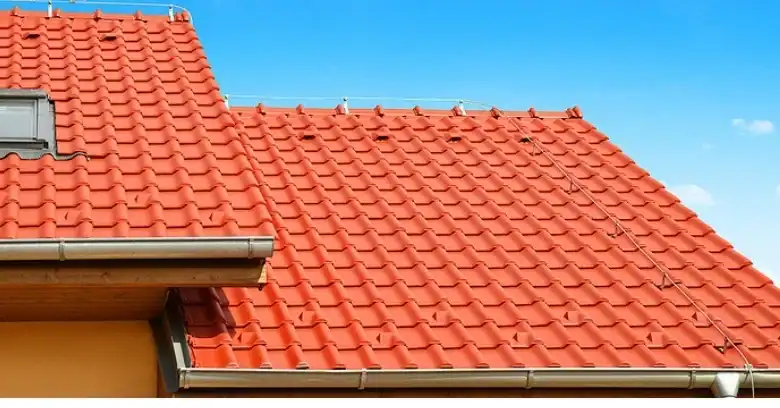
Weighing Clay Tile Roofs Throughout San Luis Obispo California?
Creative Roofing works with clay and concrete roofing units, from a single cracked piece to a full re-lay, throughout San Luis Obispo California and the neighboring communities.
Phone 805-723-2381 and describe the roof and what you are seeing.
What Makes a Roof Out of Fired Clay or Molded Concrete Different
Clay and concrete units are individual pieces hung on a roof, overlapping like fish scales to shed water, and the overlap lets water run off quickly. Each type comes in profiles from rounded barrels to flat slabs and interlocking shapes, and the weight differs between materials.
Weight, Framing and What the House Can Carry
Many houses built for tile are designed to carry it, while others would need reinforcement, so a visual check is where the process begins. Even a roof originally built for heavy units can lose strength over time if water has damaged the wood, and a careful contractor raises the issue unprompted.
Why Leaks Start Below the Surface
The units shed most of the rain, but the underlayment beneath is the layer that actually keeps the house dry, and a re-lay is the chance to replace it. Sun and heat trapped under the units bake the underlayment for years, until it dries, cracks and fails, so ask what product will go under the units.
Sun, Heat and Dry Summers
Clay and concrete handle strong sun far better than lighter coverings, which is a large part of their appeal here, and it pays to think it through. Moss and lichen are less of a problem in dry summers, though shaded areas may collect some, and a roofer can tell the difference.
Walking on a Fragile Roof
Broken pieces are the most common problem on a roof of this kind, and they usually come from foot traffic, and replacing a broken piece is a quick job. Roofers who work on fragile coverings place their feet on the lower part of the unit where it is supported, and keep spare pieces from the original installation.
Hand-Shaped Metal and Mortar
Details where the pieces meet something else are the places most likely to leak, and metal valleys should be replaced during a re-lay. Dry-set ridge systems replace mortar with clips and are easier to maintain, and the repair is far less costly than water damage.
Wildfire Season and Fire Resistance
Though heavy, individual pieces must be fastened properly or they can slide or lift in strong gusts, and the attachment method should be in the proposal. Keeping the roof and gutters clear of leaves and needles is part of staying safe, and local rules may set requirements for roof assemblies.
Deciding What an Aging Roof Needs
The decision depends on how many pieces are cracked and how the underlayment is holding up, and avoid roofers who recommend replacement without looking. A full replacement is a bigger project, but it resets the clock on the entire roof, and a good roofer will lay them out plainly.
Holding the Pieces Together
Foam adhesives are widely used to secure units, particularly in areas where wind is a concern, because they bond quickly and resist uplift, so ask how the pieces will be held in place. Replacing these strips during a re-lay is inexpensive, and it improves both fire resistance and cleanliness, and a good roofer checks them without being asked.
Dirt, Lichen and Cosmetic Wear
Dust, pollen and shade can leave a roof of this type looking dull and streaked, even when it is perfectly sound, and the details are worth a closer look. High pressure is the wrong tool for a roof made of individual pieces, because the water is driven uphill under the laps, and a post-cleaning inspection is a good idea.
Felt, Synthetic and Self-Adhering Options
Choosing a durable underlayment is one of the best investments in a long-lived roof, since it is the layer that has to outlast the rest, and a thoughtful answer is a good sign. Combining a sturdy base layer with extra protection at critical points gives a roof two lines of defense, and it pays to think it through.
Solar Panels, Skylights and Heavy Roofs
Each penetration through the covering is a place where a unit must be cut, and cut pieces are more likely to crack later, so coordinate the roofer with any other trade. Every person who climbs onto a roof of this kind risks cracking something, so access should be limited to those who know how to walk it, and a short sign near the hatch helps. Clearing debris from valleys before the rainy season is the simplest way to protect the underlayment beneath them, and a small repair now prevents a leak later.
How the Two Kinds Differ
Cast from cement and sand, concrete units take their color from pigment in the mix or from a coating applied to the surface, and the difference shows up in the details. Matching the profile to the style of the house is the first design decision, and it affects the cost and the installation method, and a good supplier will lend a few.
Getting Specific About a Heavy Roof
A thorough proposal names the material, the underlayment, the flashing and the method of attachment, and the details are what you are really buying. Find out whether the crew has experience on heavy roofs and can show examples of finished work, and keep notes to compare later.
Stages of a Careful Re-Lay
A re-lay begins with the units being lifted in sections, stacked carefully and sorted so that sound pieces are kept and broken ones are set aside for replacement, so a re-lay is slower than a shingle job.
Roofs of Fired Clay and Concrete in Wind and Fire Country
Closure strips at the eaves and the ridge keep embers and animals out of the space beneath the units, and a tidy roof is a safer roof.
Keeping Track of a Long-Lived Roof
Passing these records to the next owner of the house adds real value and saves them a good deal of guesswork, and it pays to think it through.
Ready to Look at Options
People researching Clay Tile Roofs in San Luis Obispo California are welcome to call with questions, and 805-723-2381 reaches someone who can help. There is no pressure in asking about your roof, and the roof will tell the story once someone looks.
Verified

Verified
Verified
Verified
Verified






















