
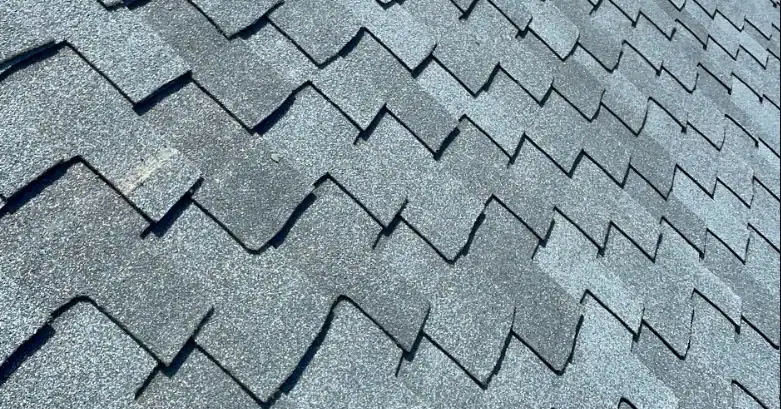
Shopping for Luxury Shingle Roof Installations in Santa Maria California?
Creative Roofing handles shingle roofing from the first nail to the last ridge cap, throughout Santa Maria California and the neighboring communities.
Ring 805-723-2381 and we will go over what a shingle roof involves.
Mat, Asphalt and Granules
Each shingle is a thin sandwich of mat, asphalt and stone granules, so the whole shingle depends on all of them. Stone granules reflect part of the sun and keep the asphalt from baking, and the process only gets faster over time.
How Shingle Lines Differ
Older houses often wear three-tab shingles because they were once the standard, so many homeowners compare it with thicker lines. Dimensional shingles imitate the look of shake or slate at a modest cost, and the difference shows in the finished roof. Higher grades cost more, and the look is the main reason to pay for them, and the framing should be checked before choosing the heaviest types.
Strong Sun on Asphalt
The sun does more to age a shingle roof in this region than any other force, and that is worth keeping in mind. Cracks across the face open the way for water to reach the layers below, and the pattern across the roof shows how far the wear has gone.
Picking a Shade That Works in the Sun
Shingles in dark shades absorb more heat, and they can run noticeably hotter on a summer afternoon, so consider how the house sits in the sun. Reflective granules can bring a dark color closer to the performance of a light one, and local rules sometimes encourage them.
Fastening Patterns and Why They Matter
Nails driven too high or too low weaken the hold of the whole course, and it is easy to overlook. A starter strip along the eave and the rake gives the first course a sealed edge and extra grip, and crooked rows are a warning. Ridge caps finish the roof where two slopes meet and shed water over the crest, and a sloppy ridge is a common weak spot.
Gusts and Loose Tabs
Seal strips need warmth to activate, which is why roofs installed in cool weather may take longer to bond, and the nails hold the rest. A creased or missing shingle after a gust is a sign that the adhesive has failed, so a loose shingle should not wait for the next storm.
Keeping the Attic Breathing
A balanced system of intake and exhaust keeps the temperature under the roof closer to the air outside, so check that the soffit openings are not blocked by insulation. Adding insulation without maintaining airflow can make an attic hotter in summer, and fixing ventilation is far easier during a re-roof.
Valleys, Walls and Pipes
The underlayment is the water-resistant layer under the shingles that catches whatever gets past the surface, and it matters most when the roof is open to weather. Chimneys, walls and skylights need step flashing and counterflashing worked into the shingle courses, so quality work here matters a great deal.
Reading the Roof
Granules in the gutters, curling edges and bald spots are the most reliable signs of an aging shingle roof, and early action keeps choices open. Isolated problems from a branch or a loose tab respond well to a simple repair, and it is easy to overlook. Matching old shingles is difficult, so large repairs often look patchy, and choose the new shingles with care.
What Lies Under the Existing Roof
Old shingles come off in sections and go straight into a bin, leaving a clean deck ready for the next step, and the bare deck is also the moment to check ventilation openings. Local rules often limit the number of layers a roof may carry, and many roofers prefer a clean start in any case, and the savings are usually smaller than they seem. Since the extent of deck damage cannot be known until the old roof is off, a fair agreement sets a method for pricing the extra work, and the cost of a few sheets is rarely large.
What the Site Should Look Like at the End
Planning where the dumpster, the ladders and the materials will go avoids damage to lawns, driveways and sprinklers, and a little preparation prevents most complaints. Nails are the main hazard left behind after any roofing job, and a magnetic sweep of the yard and driveway is standard practice, and the work is not finished until the cleanup is. Gutters should be cleared of granules and debris once the new roof is on, since the first rains will wash any leftovers into the downspouts, and it pays to think it through.
Dry Months and Warm Days
Asphalt shingles seal themselves down with heat from the sun, so warm, dry days produce the best bond and the neatest finish, and the busiest months fill up quickly. Heat is a normal part of summer roofing, and a good crew plans the day around it rather than fighting it, so an early arrival is nothing to worry about.
Coordinating With Other Trades
Each opening in a shingle roof needs flashing built in layers with the courses, and the work is easier when the roof is already open, and mention any plans to add more later. Replacing a roof beneath an existing array is a coordination job involving the roofer and the solar company, so ask both contractors how they would proceed.
Color, Fade and Repair Work
A roofer can often borrow shingles from a hidden slope or the back of the house to repair a more visible area, which gives the best match, and place the repair where it is least visible.
Carrying Water Away From the House
Without proper edging, rain can wick behind the shingles and attack the sheathing and fascia board over the following seasons, so look at them before the work starts.
What to Look for in Writing
A proposal that only says new shingles leaves out the details that matter, and the details are worth a closer look. Check what happens if damaged sheathing is found once the old roof is off, and it is easy to overlook.
Start the Conversation
People researching Luxury Shingle Roof Installations in Santa Maria California are welcome to call with questions, with 805-723-2381 ready whenever you want to talk. Even a quick call can clear up questions about shingle grades, colors and timing, and the first step is just a phone call.
Verified

Verified
Verified
Verified
Verified






















