
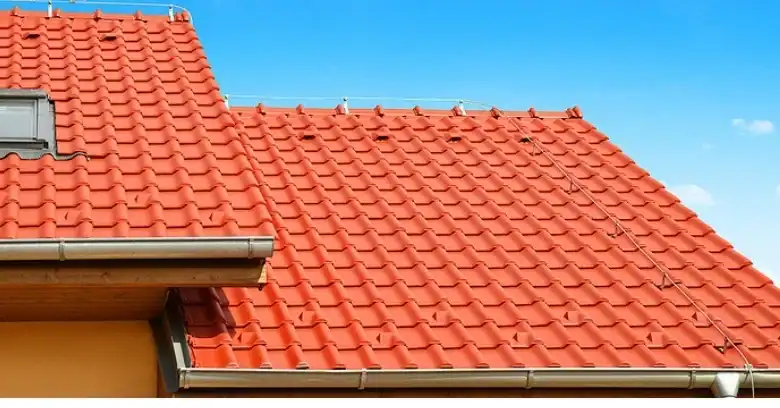
Researching Clay Tile Roofs Around Santa Barbara California?
Creative Roofing handles the underlayment, battens and hand-shaped details that a fired or molded roof depends on, serving homeowners in Santa Barbara California and beyond.
Reach us at 805-723-2381 to set up a visit to look at your roof.
A Heavy Covering With a Long History
A roof of this kind is a layered system in which each piece overlaps the next and the structure beneath does the waterproofing, and the real waterproofing sits underneath. Clay is formed and fired in a kiln, which gives it a rich natural color that does not fade, and the look varies enormously.
Weight, Framing and What the House Can Carry
The framing is the foundation of any heavy roof, and it should happen before materials are ordered. Adding weight without adding support invites cracks, sagging and even failure, and the cost of that work belongs in the plan.
Felt, Membranes and Battens
The units shed most of the rain, but the underlayment beneath is the layer that actually keeps the house dry, and a re-lay is the chance to replace it. Sun and heat trapped under the units bake the underlayment for years, until it dries, cracks and fails, and that is worth keeping in mind.
Dry Climate, Durable Roof
Air circulating under the curved shapes helps keep the house cooler in summer, so the look holds up. Concrete may chalk or fade after long exposure, and a clean surface may need a sealer or fresh paint, and a roofer can tell the difference.
What Goes Wrong on the Surface
Falling branches and windblown debris can also crack pieces in a storm, and replacing a broken piece is a quick job. A short inspection after any work on the roof catches damage early, so ask for a check after other work is done.
Where Pieces Meet Walls and Each Other
Valleys carry the most water on a roof, and the metal channel beneath the pieces must be sound, so look at how the work is finished. Cracked and crumbling mortar along the ridge lets water and wind get under the cap pieces, and a clean ridge line is a sign of good care.
How Units Are Secured
Some systems use a mechanical clip at every piece, while others rely on adhesive along the edges, and local rules in windy areas may require specific fastening. Clay and concrete are noncombustible, which is a strong advantage in a region with wildfire seasons, and clean valleys are important.
Deciding What an Aging Roof Needs
The pieces on an old roof may be fine for many more seasons even when the underlayment has given out, and avoid roofers who recommend replacement without looking. Spalling concrete, crumbling clay and widespread cracks are signs that the surface is at its end, and that is worth keeping in mind.
Mortar, Foam and Dry-Set Methods
Cement bedding has been the traditional method for capping a ridge, but it is rigid and breaks as the roof flexes with temperature, and be wary of mortar alone on a ridge. Replacing these strips during a re-lay is inexpensive, and it improves both fire resistance and cleanliness, and they are often forgotten.
Washing, Sealing and Surface Care
A gentle low-pressure wash can restore the appearance of a roof, but harsh pressure damages the surface and loosens the pieces, and the result can be striking. A professional cleaner will explain the method and protect the plants and walls below, and the roof will look and perform better.
Specifying the Hidden Layer
Choosing a durable underlayment is one of the best investments in a long-lived roof, since it is the layer that has to outlast the rest, and that is worth keeping in mind. Counter-battens add further airflow and reduce heat transfer into the attic, so look for it in the proposal.
Planning Equipment Around the Units
The best time to add rooftop equipment is when the roof is being re-laid, because the openings can be built in properly, and the decision deserves some planning. Telling every visitor about the fragility of the surface prevents a surprising amount of damage, and replacing a unit is far cheaper than repairing the leak. Valleys and low points on a roof of this kind carry the heaviest flow in a downpour, and the units along their edges are cut to fit and sealed with care, and a ladder and a soft broom are often all you need.
Weighing Clay Against Concrete
Natural clay generally keeps its color for a very long time, while a coated concrete surface can fade or chalk and may need refreshing, and compare how they look in daylight. Samples of full-size pieces on a roof model show more than a catalog photograph ever can, and think about the neighbors as well.
Questions Worth Asking
A proposal that only says re-lay the roof does not tell you enough, so ask for them before signing. Questions about experience are reasonable, and the answers say a great deal, and a confident contractor will welcome them.
What Happens on Site
Pieces are removed row by row from the top down, and the crew takes care to avoid cracking more units than the roof already has, and the result is a roof that looks as it did and performs like new.
Roofs of Fired Clay and Concrete in Wind and Fire Country
Pieces that are cracked or slipped leave gaps, and in a region with wildfire season, gaps are where embers find a way into the roof, and that is worth keeping in mind.
Documenting the Work for the Future
A note of the underlayment type, the flashing metal and the fastening method helps any roofer who works on the roof later, and a clear record makes repairs simpler.
Talk to Us About Your Roof
Anyone sorting out Clay Tile Roofs in Santa Barbara California is one call away from a straight answer, and 805-723-2381 reaches someone who can help. Whether the roof is leaking now or you are planning ahead, an early conversation keeps your options open, and we are glad to help you sort it out.
Verified

Verified
Verified
Verified
Verified






















