
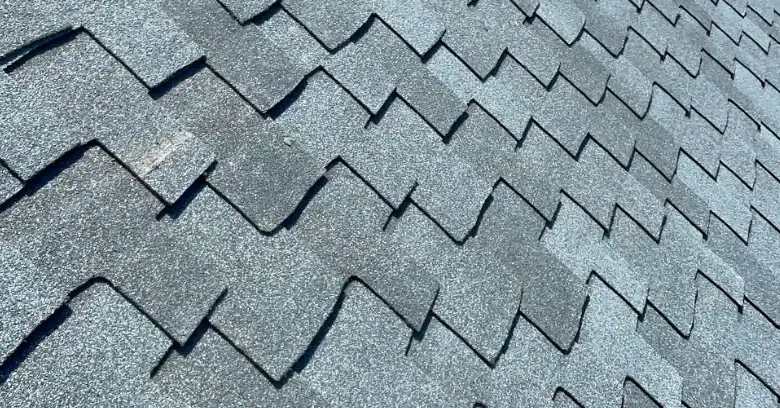
Shopping for Premium Shingle Roofs Serving Nipomo California?
Creative Roofing lays asphalt, architectural and designer shingles over carefully prepared decks, serving homeowners in Nipomo California and beyond.
Dial 805-723-2381 and we will go over what a shingle roof involves.
What a Shingle Roof Is Made Of
An asphalt shingle is a fiberglass mat soaked in asphalt and covered with ceramic-coated granules, and the mat gives the piece its strength. Granule loss is the clearest sign that a shingle is wearing out, and the process only gets faster over time.
How Shingle Lines Differ
A three-tab shingle has a flat, uniform look and the thinnest profile of any common type, and a little care goes a long way. Architectural shingles are made of two or more laminated layers that give the roof depth and shadow, so there is something for most houses. Designer shingles are heavier and carefully styled to resemble natural slate or cedar, and the framing should be checked before choosing the heaviest types.
Sun, Heat and Aging
Hot weather and strong sun dry the oils in asphalt, leaving the surface stiff and brittle, and that is worth keeping in mind. Curling, cracking and blistering are the typical signs of a shingle that has had too much heat, and each one is a place a leak can start.
Cool Shingles and Heat Gain
Shingles in dark shades absorb more heat, and they can run noticeably hotter on a summer afternoon, so consider how the house sits in the sun. Reflective granules can bring a dark color closer to the performance of a light one, and the details are worth a closer look.
How Shingles Are Laid
The nailing line printed on the shingle marks where fasteners must go for the best grip, and overdriven nails cut the mat and create weak spots. Offsetting the seams from row to row keeps leaks from lining up, and crooked rows are a warning. Hips and ridges are capped with special pieces that bend over the peak and seal the top of the roof, so the details at the top deserve attention.
How Shingles Resist Wind
A shingle that never sealed can lift and flap in a gust, and a little care goes a long way. Edges and ridges are where wind does the most damage, and the details are worth a closer look.
Attic Ventilation and Shingle Life
Airflow under the deck helps a shingle roof reach its full useful life, and ridge vents work well with soffit intake. Blocking the soffit vents with insulation is a common mistake that undermines the whole system, so ask what will be done about ventilation.
Where Shingles Meet Everything Else
Felt paper or synthetic sheets cover the deck and give a second line of defense, and it pays to think it through. Valley flashing has to be formed correctly and sealed well, or water finds a way in, and replacing flashing during a re-roof is standard practice.
Signs of Wear and Choosing Repair or Replacement
Look for lines of shadow where shingles have lifted and for stains inside the house, and the details are worth a closer look. Spot repairs are a good choice when most of the roof still has plenty of life left, so ask for photographs of the problem areas. Replacement is the sensible answer once the field of shingles has lost its protective surface, and that is worth keeping in mind.
Stripping Down Before Building Up
Most shingle replacements begin with a full tear-off, in which the old layers are stripped away and the plywood or boards beneath are laid bare, and anything hidden gets found at this point. Local rules often limit the number of layers a roof may carry, and many roofers prefer a clean start in any case, and a second layer is difficult to remove later. Sheathing that crumbles or feels spongy underfoot must be replaced before shingles can hold, and expect a call with photographs.
What the Site Should Look Like at the End
A shingle tear-off throws old material in every direction, so a careful crew covers plants, vents and the ground before the first piece comes off, and it is easy to overlook. Nails are the main hazard left behind after any roofing job, and a magnetic sweep of the yard and driveway is standard practice, so walk the yard with the foreman at the end. Letting grit and leaves pile up in a gutter can lead to overflow along the fascia and the foundation, and it pays to think it through.
When to Schedule a New Roof
Timing a project well means picking a stretch of dry days and leaving some room for delays, so booking ahead is wise. On a scorching day the surface of a roof becomes too hot to handle, and the asphalt softens enough to mark if walked on carelessly, and a rushed job in extreme heat is a poor bargain.
Rooftop Additions and Shingle Work
Openings in a roof have a real effect on the quality and cost of a shingle project, so list everything on the roof when you ask for proposals. Solar panels bolted to a shingle roof have to be removed and reinstalled when the roof is replaced, so the two projects should be planned together, and the order of the work matters a great deal.
Blending New Shingles Into an Older Roof
New shingles set into a sun-faded roof usually look a shade darker or brighter, and the contrast softens only after a season or two of weather, and function matters more than appearance here.
The Edge Details That Finish a Shingle Roof
Metal edging installed under the underlayment at the eave and over it at the rake is the correct order, and it makes a visible difference to the durability of the edge, so look at them before the work starts.
What to Look for in Writing
A proposal that only says new shingles leaves out the details that matter, and the details are worth a closer look. Find out how the crew will protect the house and landscaping during the work, and the answers are worth writing down.
Next Steps for Your Roof
A conversation about Premium Shingle Roofs in Nipomo California usually starts with the age of the current roof, and the number is 805-723-2381. Planning ahead usually leads to better choices than reacting to an emergency, so reach out whenever you are ready.
Verified

Verified
Verified
Verified
Verified