
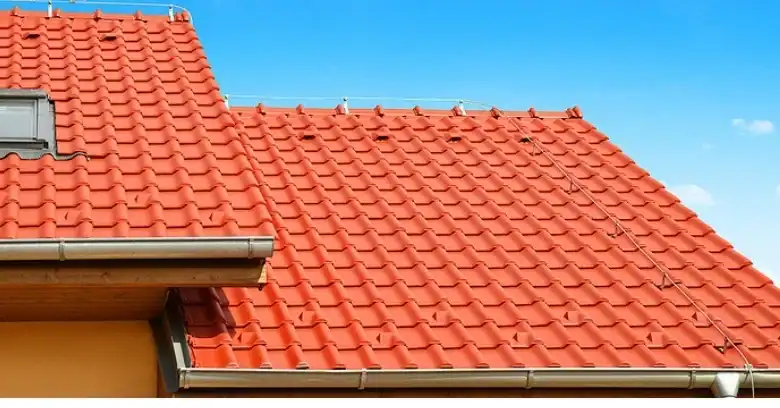
Weighing Clay Tile Roofs for a Home in Sacramento California?
Creative Roofing handles the underlayment, battens and hand-shaped details that a fired or molded roof depends on, serving homeowners in Sacramento California and beyond.
Call 805-723-2381 and describe the roof and what you are seeing.
A Heavy Covering With a Long History
Fired clay and molded concrete are the two materials used for the heavy, durable coverings found across the region, and the overlap lets water run off quickly. Both materials resist fire, which has made them popular where wildfire is a concern, and the look varies enormously.
Load and Support
Many houses built for tile are designed to carry it, while others would need reinforcement, so a visual check is where the process begins. Adding weight without adding support invites cracks, sagging and even failure, and the details are worth a closer look.
The Hidden Layer That Does the Work
Beneath the visible surface lies a waterproof membrane that does the hard work, and a membrane that has dried out is a common reason for leaks. The felt paper on older roofs becomes brittle and breaks when the pieces are lifted, and the answer says a lot about the contractor.
Sun, Heat and Dry Summers
The pieces rarely wear out from sun alone, which is why a well-built roof can last so long, and the color stays true for decades. Efflorescence, a white powdery bloom, can show on concrete units and is mostly cosmetic, and surface cleaning is far cheaper than replacement.
Finding Damaged Units
A cracked unit lets water reach the underlayment, which is meant for backup rather than constant exposure, so a close inspection from the roof is the only reliable method. A short inspection after any work on the roof catches damage early, and it is easy to overlook.
The Detail Work on a Heavy Roof
Flashing along walls, chimneys and skylights has to be formed and shaped by hand around each piece, and metal valleys should be replaced during a re-lay. Dry-set ridge systems replace mortar with clips and are easier to maintain, and the repair is far less costly than water damage.
How Units Are Secured
The method of attachment depends on the slope, the wind exposure and the local rules, and edges and ridges deserve the most attention. Clay and concrete are noncombustible, which is a strong advantage in a region with wildfire seasons, and clean valleys are important.
Deciding What an Aging Roof Needs
Re-laying saves the cost of new material and keeps the original look of the house, and the savings from a re-lay can be considerable. Replacing the covering gives the chance to upgrade the structure, the ventilation and the details, so it is a time to consider all the options.
Holding the Pieces Together
Modern installations often replace mortar with clips, screws or flexible adhesive that tolerate movement without failing, and be wary of mortar alone on a ridge. Replacing these strips during a re-lay is inexpensive, and it improves both fire resistance and cleanliness, and a little care goes a long way.
Cleaning a Heavy Roof Without Damaging It
Surface growth tends to be slower in dry summers, though shaded areas may still collect some, and a sealer can slow the return of stains. High pressure is the wrong tool for a roof made of individual pieces, because the water is driven uphill under the laps, and a post-cleaning inspection is a good idea.
Felt, Synthetic and Self-Adhering Options
Choosing a durable underlayment is one of the best investments in a long-lived roof, since it is the layer that has to outlast the rest, and why. Battens that lift the units off the underlayment allow air to circulate and water to drain freely beneath the pieces, and it pays to think it through.
Working Around Obstacles
Rooftop solar arrays and skylights need openings or mounting points cut through a roof of individual pieces, and each one has to be flashed with care, and ask who is responsible for the seals. Telling every visitor about the fragility of the surface prevents a surprising amount of damage, and the details are worth a closer look. A valley that is clogged with leaves and needles can send water sideways under the units, which they are not designed to handle, and a small repair now prevents a leak later.
How the Two Kinds Differ
Both materials are heavy, fire-resistant and durable, and either can give a house a distinctive character, and the better choice depends on the house and the budget. Samples of full-size pieces on a roof model show more than a catalog photograph ever can, and take your time with the choice.
How to Weigh Two Bids
The best contractors put the specifics in writing, and a little care goes a long way. Ask how the structure will be checked and what happens if damage is found, and trust the tone of the conversation.
From Lifting the Units to Setting Them Back
Work in stages keeps the house covered at the end of every day, so that a sudden rain does not find an open roof, and the crew has to be careful with every piece.
Roofs of Fired Clay and Concrete in Wind and Fire Country
Closure strips at the eaves and the ridge keep embers and animals out of the space beneath the units, and repair broken pieces before the winds arrive.
Keeping Track of a Long-Lived Roof
A small stack of leftover pieces from the original job is worth more than almost any other record, since replacements are rarely identical, and store them with the house papers.
Ready to Look at Options
Homeowners weighing Clay Tile Roofs in Sacramento California can begin by describing the house and the roof they have, so dial 805-723-2381 when it suits you. Whether the roof is leaking now or you are planning ahead, an early conversation keeps your options open, and we are glad to help you sort it out.
Verified

Verified
Verified
Verified
Verified






















