
Researching Clay Tile Roofers Serving Santa Maria California?
Creative Roofing handles the underlayment, battens and hand-shaped details that a fired or molded roof depends on, throughout Santa Maria California and the neighboring communities.
Phone 805-723-2381 and ask about the roof over your house.
How These Roofs Are Put Together
Every piece is shaped to channel water downhill and over the piece below, and that is worth keeping in mind. Natural clay holds its color for a very long time, while concrete may need more attention to its finish, so samples help with the choice.
Heavy Roofs Need a Sound Structure
Many houses built for tile are designed to carry it, while others would need reinforcement, so a visual check is where the process begins. Rotted rafters or sheathing must be repaired before heavy material goes back on, and a casual answer should give you pause.
What Sits Beneath the Pieces
The membrane is out of sight, which is why it is easy to forget, so even a good surface can hide a tired layer. The felt paper on older roofs becomes brittle and breaks when the pieces are lifted, and that is why age matters as much as appearance.
Sun, Heat and Dry Summers
Air circulating under the curved shapes helps keep the house cooler in summer, and that is why roofs of this kind are so common in warm regions. A gentle wash and a clear sealer can refresh the appearance of an older roof, and surface cleaning is far cheaper than replacement.
Cracks, Slips and Broken Pieces
A cracked unit lets water reach the underlayment, which is meant for backup rather than constant exposure, and waiting makes the repair more expensive. A short inspection after any work on the roof catches damage early, and it is easy to overlook.
Where Pieces Meet Walls and Each Other
Metal flashing and sealant protect these joints, and both age in strong sun, so look at how the work is finished. Dry-set ridge systems replace mortar with clips and are easier to maintain, and a clean ridge line is a sign of good care.
How Units Are Secured
The method of attachment depends on the slope, the wind exposure and the local rules, and edges and ridges deserve the most attention. A tight installation with proper closures resists embers better than a loose one, and local rules may set requirements for roof assemblies.
Options for a Tired Roof
A re-lay means lifting the units, replacing the underlayment and flashing, and setting the pieces back in place, and a careful inspection answers both questions. A full replacement is a bigger project, but it resets the clock on the entire roof, so it is a time to consider all the options.
Ridge Bedding and Edge Details
Cement bedding has been the traditional method for capping a ridge, but it is rigid and breaks as the roof flexes with temperature, and the best answer is specific to your roof. A missing eave closure is easy to spot from the ground as a dark gap along the lower edge of the roof, and a tidy edge looks better as well.
Cleaning a Heavy Roof Without Damaging It
A gentle low-pressure wash can restore the appearance of a roof, but harsh pressure damages the surface and loosens the pieces, and the details are worth a closer look. High pressure is the wrong tool for a roof made of individual pieces, because the water is driven uphill under the laps, and fix any breakage before the rains.
Felt, Synthetic and Self-Adhering Options
High-temperature rated products suit the hot conditions found beneath dark units on a sunny slope, and that is worth keeping in mind. Self-adhering membrane is often used in valleys, around penetrations and along the eaves, where leaks are most likely to begin, and good detailing here pays off for decades.
Rooftop Additions on a Roof of Many Pieces
The best time to add rooftop equipment is when the roof is being re-laid, because the openings can be built in properly, and a little care goes a long way. A roofer can place a few walkway planks or marked steps to protect the routes that others will use, and a short sign near the hatch helps. Clearing debris from valleys before the rainy season is the simplest way to protect the underlayment beneath them, and a ladder and a soft broom are often all you need.
How the Two Kinds Differ
Clay units are fired at high temperature, and their color runs all the way through, so a chip or scratch does not show a different shade beneath, so ask to see samples of both. Samples of full-size pieces on a roof model show more than a catalog photograph ever can, and a good supplier will lend a few.
Questions Worth Asking
A thorough proposal names the material, the underlayment, the flashing and the method of attachment, so ask for them before signing. Ask how the structure will be checked and what happens if damage is found, so do not hesitate to ask.
What Happens on Site
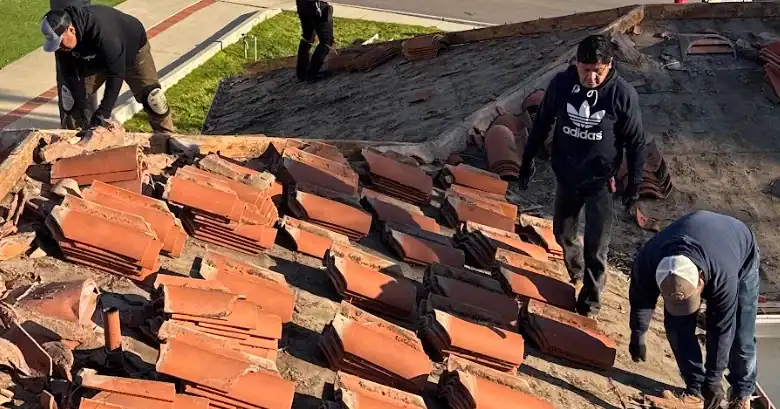
Pieces are removed row by row from the top down, and the crew takes care to avoid cracking more units than the roof already has, and it is easy to overlook.
What to Do Before Summer Ends
Trimming branches back from the roof and keeping a clear margin around the house reduces the risk to the roof and the building, so make it part of the late-summer routine.
Notes That Help the Next Owner
A small stack of leftover pieces from the original job is worth more than almost any other record, since replacements are rarely identical, and a clear record makes repairs simpler.
Tell Us What You Are Seeing
Those comparing Clay Tile Roofers in Santa Maria California can reach us by phone, so use 805-723-2381 to set up the next step. Calling before a problem becomes urgent makes it easier to compare materials and schedules, and the roof will tell the story once someone looks.
Verified

Verified
Verified
Verified
Verified






















