
Weighing Clay Tile Roofer Services Throughout Lompoc California?
Creative Roofing keeps barrel, flat and interlocking roofs weathertight from the deck up, throughout Lompoc California and the neighboring communities.
Ring 805-723-2381 to set up a visit to look at your roof.
Basics of a Roof Built From Individual Pieces
Clay and concrete units are individual pieces hung on a roof, overlapping like fish scales to shed water, and the system works only when every piece is in place. Both materials resist fire, which has made them popular where wildfire is a concern, and the weight differs between materials.
Checking the Rafters Before Choosing
Many houses built for tile are designed to carry it, while others would need reinforcement, so a visual check is where the process begins. Adding weight without adding support invites cracks, sagging and even failure, and the details are worth a closer look.
Felt, Membranes and Battens
The units shed most of the rain, but the underlayment beneath is the layer that actually keeps the house dry, so even a good surface can hide a tired layer. Sun and heat trapped under the units bake the underlayment for years, until it dries, cracks and fails, so ask what product will go under the units.
Sun, Heat and Dry Summers
The heavy mass of the pieces absorbs heat during the day and releases it slowly at night, and the weight helps with wind as well. Efflorescence, a white powdery bloom, can show on concrete units and is mostly cosmetic, so ask before assuming the roof is failing.
Finding Damaged Units
Broken pieces are the most common problem on a roof of this kind, and they usually come from foot traffic, and the details are worth a closer look. A short inspection after any work on the roof catches damage early, and a good roofer will always carry a supply.
Flashing, Valleys and Ridges
Details where the pieces meet something else are the places most likely to leak, and sealant alone is never a lasting answer. Ridge and hip pieces are bedded in mortar or fastened with mechanical systems, and the old mortar often fails before the roof does, and the repair is far less costly than water damage.
How Units Are Secured
Some systems use a mechanical clip at every piece, while others rely on adhesive along the edges, so ask how the pieces will be held down. Clay and concrete are noncombustible, which is a strong advantage in a region with wildfire seasons, and clean valleys are important.
Options for a Tired Roof
Re-laying saves the cost of new material and keeps the original look of the house, and the savings from a re-lay can be considerable. If the pieces are worn out, a re-lay would only reuse tired material, and that is worth keeping in mind.
Mortar, Foam and Dry-Set Methods
Modern installations often replace mortar with clips, screws or flexible adhesive that tolerate movement without failing, and be wary of mortar alone on a ridge. Eave closures and bird stops fill the gap beneath the lowest course, keeping out birds, rodents, leaves and windblown embers, so these small parts deserve attention.
Washing, Sealing and Surface Care
A gentle low-pressure wash can restore the appearance of a roof, but harsh pressure damages the surface and loosens the pieces, so consider it before deciding to replace. High pressure is the wrong tool for a roof made of individual pieces, because the water is driven uphill under the laps, and a post-cleaning inspection is a good idea.
Selecting the Layer Beneath
Choosing a durable underlayment is one of the best investments in a long-lived roof, since it is the layer that has to outlast the rest, and the choice should be in writing. Counter-battens add further airflow and reduce heat transfer into the attic, and the extra layer is inexpensive protection.
Penetrations Through Fragile Surfaces
Special hooks and flashing kits exist for these roofs, and an installer who uses them keeps the surface watertight, and the decision deserves some planning. A roofer can place a few walkway planks or marked steps to protect the routes that others will use, and the details are worth a closer look. Valleys and low points on a roof of this kind carry the heaviest flow in a downpour, and the units along their edges are cut to fit and sealed with care, and it is easy to overlook.
Two Materials, Two Personalities
Both materials are heavy, fire-resistant and durable, and either can give a house a distinctive character, and the better choice depends on the house and the budget. Samples of full-size pieces on a roof model show more than a catalog photograph ever can, and take your time with the choice.
Comparing Tile Roofing Proposals
A proposal that only says re-lay the roof does not tell you enough, and compare two bids line by line. A roofer who has re-laid many roofs knows the pitfalls and can describe them without hesitation, so do not hesitate to ask.
Planning a Re-Lay Step by Step
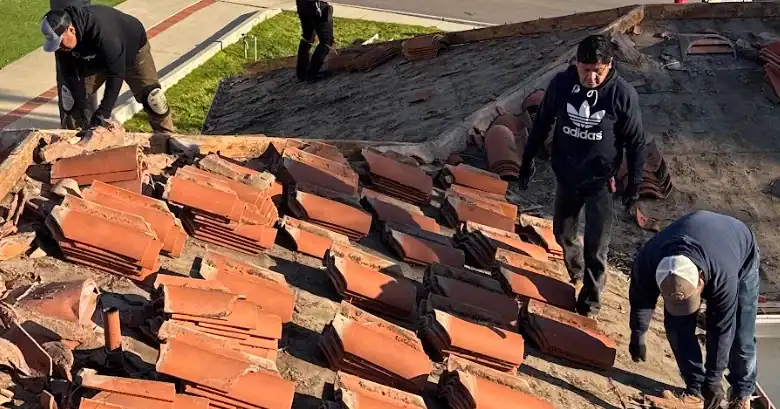
Sorting the units as they come off lets the roofer count how many replacements will be needed and order matching pieces, and the whole process takes patience.
Roofs of Fired Clay and Concrete in Wind and Fire Country
Clearing leaves and needles from valleys, gutters and the back of chimneys removes fuel that could ignite from a flying ember, and repair broken pieces before the winds arrive.
Documenting the Work for the Future
A small stack of leftover pieces from the original job is worth more than almost any other record, since replacements are rarely identical, and it pays to think it through.
Talk to Us About Your Roof
Anyone sorting out Clay Tile Roofer Services in Lompoc California is one call away from a straight answer, so use 805-723-2381 to set up the next step. Calling before a problem becomes urgent makes it easier to compare materials and schedules, and we are glad to help you sort it out.
Verified

Verified
Verified
Verified
Verified






















