
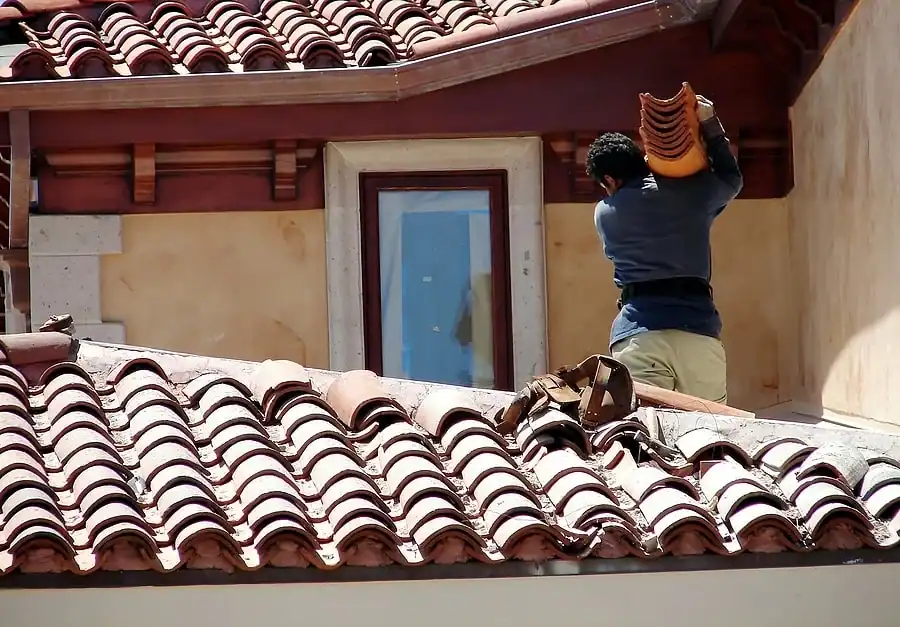
Weighing Concrete Tile Roofers in Nipomo California?
Creative Roofing keeps barrel, flat and interlocking roofs weathertight from the deck up, serving homeowners in Nipomo California and beyond.
Call 805-723-2381 and ask about the roof over your house.
Clay and Concrete Units in Plain Terms
Fired clay and molded concrete are the two materials used for the heavy, durable coverings found across the region, and the overlap lets water run off quickly. Each type comes in profiles from rounded barrels to flat slabs and interlocking shapes, so samples help with the choice.
Heavy Roofs Need a Sound Structure
A concrete or clay roof weighs several times more than a shingle roof, so the framing has to be up to the load, and a little care goes a long way. Replacing a lighter covering with a heavier one without checking the structure is a serious mistake, and the details are worth a closer look.
Felt, Membranes and Battens
The membrane is out of sight, which is why it is easy to forget, and a re-lay is the chance to replace it. Replacing the underlayment when the units are removed gives the roof a fresh start, so ask what product will go under the units.
Why Tile Suits Hot Weather
Long dry summers are easy on the material itself, though the layers underneath age in the heat, and it pays to think it through. Efflorescence, a white powdery bloom, can show on concrete units and is mostly cosmetic, and it fades or washes off with time.
Finding Damaged Units
Slipped pieces that have shifted out of line leave gaps that rain can reach, and the damage may not show from the ground. Roofers who work on fragile coverings place their feet on the lower part of the unit where it is supported, and a good roofer will always carry a supply.
Hand-Shaped Metal and Mortar
Every junction on the roof is a place where craft decides the outcome, and that is worth keeping in mind. Cracked and crumbling mortar along the ridge lets water and wind get under the cap pieces, and the repair is far less costly than water damage.
Seasonal Gusts and Embers
Some systems use a mechanical clip at every piece, while others rely on adhesive along the edges, and a little care goes a long way. Keeping the roof and gutters clear of leaves and needles is part of staying safe, and the details are worth a closer look.
Matching the Work to the Condition
A re-lay means lifting the units, replacing the underlayment and flashing, and setting the pieces back in place, and it is easy to overlook. If the pieces are worn out, a re-lay would only reuse tired material, and that is worth keeping in mind.
Adhesives, Clips and Mortar
Modern installations often replace mortar with clips, screws or flexible adhesive that tolerate movement without failing, and the method should be named in the proposal. A missing eave closure is easy to spot from the ground as a dark gap along the lower edge of the roof, and they are often forgotten.
Dirt, Lichen and Cosmetic Wear
Surface growth tends to be slower in dry summers, though shaded areas may still collect some, and a clean roof looks years younger. Cleaning is not a substitute for repairs, but it often reveals cracked pieces that were hidden by grime, and the roof will look and perform better.
Felt, Synthetic and Self-Adhering Options
The underlayment is the part of a roof of this kind that owners cannot see and roofers can easily skimp on, so it deserves specific attention in a proposal, so ask which product is specified. Self-adhering membrane is often used in valleys, around penetrations and along the eaves, where leaks are most likely to begin, so look for it in the proposal.
Penetrations Through Fragile Surfaces
Mounting an array on a roof of this type means lifting or cutting units around every bracket and sealing the opening beneath, and the decision deserves some planning. Telling every visitor about the fragility of the surface prevents a surprising amount of damage, and inspect after every visit. A valley that is clogged with leaves and needles can send water sideways under the units, which they are not designed to handle, and a ladder and a soft broom are often all you need.
Two Materials, Two Personalities
Between the two, concrete is usually the more economical, while clay is prized for its authentic look and its long record of service, and the better choice depends on the house and the budget. Samples of full-size pieces on a roof model show more than a catalog photograph ever can, and a good supplier will lend a few.
How to Weigh Two Bids
A thorough proposal names the material, the underlayment, the flashing and the method of attachment, so ask for them before signing. Ask how the crew will handle the pieces, where they will be stored and how breakage will be managed, and trust the tone of the conversation.
Planning a Re-Lay Step by Step
Each section of the roof is stripped down to the underlayment, repaired and covered with fresh waterproofing before the units go back, so a re-lay is slower than a shingle job.
Roofs of Fired Clay and Concrete in Wind and Fire Country
Closure strips at the eaves and the ridge keep embers and animals out of the space beneath the units, and that is worth keeping in mind.
Notes That Help the Next Owner
After a re-lay or a repair, keep the photographs, the proposal and a few spare units stored somewhere safe, because color and profile matching gets harder with time, and it pays to think it through.
Ready to Look at Options
Anyone sorting out Concrete Tile Roofers in Nipomo California is one call away from a straight answer, and 805-723-2381 reaches someone who can help. Whether the roof is leaking now or you are planning ahead, an early conversation keeps your options open, and a little care goes a long way.
Verified

Verified
Verified
Verified
Verified






















